

For years, homeowners interested in solar have typically had two main financing options: solar loans or solar leases. Each approach has its pros and cons, and depending on your situation, one may make more sense than the other.
Now, a newer option called Propel offers something a little different — a structure designed to combine the accessibility of a lease with the long-term benefits of owning your solar system.
If you’re comparing your options, here’s how Propel differs from a traditional solar lease.
How a Typical Solar Lease Works
With a traditional solar lease, a third-party company installs and owns the solar system on your home. Instead of purchasing the system, you pay a monthly fee to use the electricity it generates.
This model makes solar easier to start because it usually requires little or no upfront cost. However, there are some tradeoffs.
Because the solar provider owns the system, they typically receive the financial incentives and long-term benefits associated with the installation. Many leases also last 20–25 years, meaning homeowners may never actually own the system during the contract period.
For some homeowners, that structure works well. But others prefer a path to ownership.

How Propel Works
Propel is structured as a transitional ownership program.
Instead of choosing between a loan or a lease, the program allows homeowners to start with a lower barrier to entry — similar to a lease — while transitioning to full system ownership after five years.
During the first phase of the program, the system is owned by a third party while homeowners make predictable monthly payments. After year five, ownership transfers to the homeowner.
This structure is designed to provide the accessibility of a lease with the long-term value of ownership
Combines the Best of Both Worlds
One of the main goals of the Propel program is to blend the benefits of both financing models.
Lower Barrier to Entry
Like a solar lease, Propel allows homeowners to install solar without the large upfront investment often associated with purchasing a system.

This can make solar more accessible to households who want to lower their energy costs but prefer to avoid a significant initial expense.
A Clear Path to Ownership
Unlike a traditional lease, the program is designed so that homeowners ultimately take ownership of the system.
Ownership provides several advantages, including long-term energy savings and the ability to benefit fully from the electricity the system produces.
Built-In Service and System Protection
Another feature that sets Propel apart is the level of support included during the early years of the system. For the first five years, the program includes system protections such as monitoring, maintenance, and installation warranties.
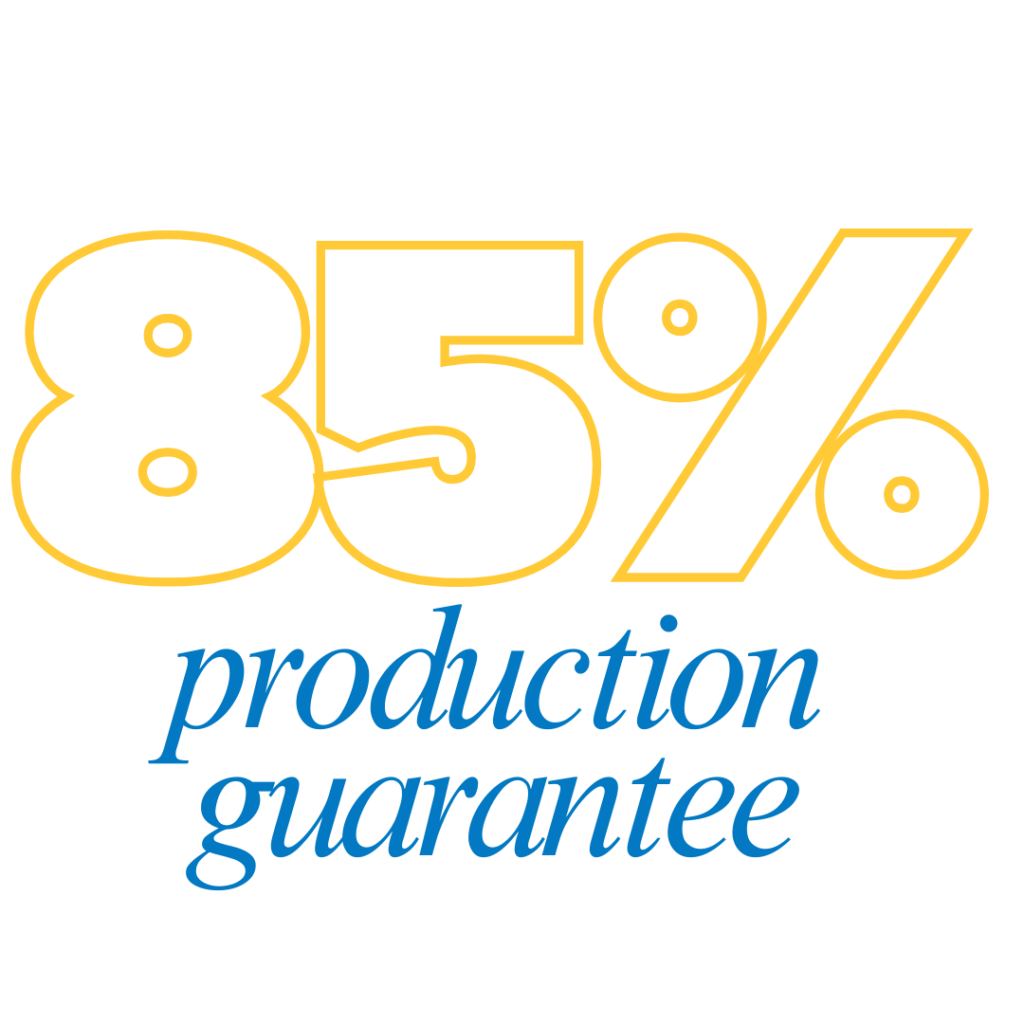
The system also includes a production guarantee, ensuring it produces at least 85% of its expected energy output. If it underperforms, the issue will be addressed.
This structure helps homeowners feel confident that the system will perform as expected during the initial years of operation.
Flexibility for the Future

Propel is also designed to provide flexibility over time.
Homeowners can exercise an early buyout option, allowing them to transition to ownership sooner if they choose. The loan associated with the program can also be paid off on a flexible schedule, with terms that may extend up to 25 years.
This gives homeowners multiple pathways depending on their financial goals.
Which Option Is Right for You?
The right solar financing option depends on your priorities. Some homeowners prefer the simplicity of a traditional lease. Others want to own their system immediately through a loan.
Programs like Propel offer another option — combining lower upfront barriers with a defined path to ownership, while providing the greatest option for total savings. For homeowners exploring solar today, having more flexible options can make it easier to find the approach that fits their goals and budget.
Interested in learning whether Propel is available for your home?

If you liked this article, you may also like:
Solar Without the Upfront Cost: A New Solar Ownership Option for Maine Homeowners