
Not Just Rooftops: 3 Alternative Ways to Go Solar in New England
From ground-mounted panels to solar carports and custom outdoor structures, discover how solar energy can work beyond your home’s roof.
When most people picture solar panels, they imagine them installed on the roof of a home. And while rooftop solar remains one of the most common ways to generate clean electricity, it’s far from the only option.
What if your roof isn’t ideal for solar? Maybe it’s heavily shaded, has limited space, or simply isn’t where you’d prefer to install panels. Or perhaps you’re looking for a way to make better use of your property while producing your own electricity.
The good news is that solar doesn’t have to be limited to your roof.
From ground-mounted panels to covered parking areas and custom outdoor structures, alternative solar mounting options give New England homeowners more flexibility in how and where they generate solar energy.
Let’s explore three approaches worth considering, along with why the colder months can be an ideal time to start planning.
Ground-Mounted Solar: Put Your Property to Work
If you have available land that receives plenty of sunlight, a ground-mounted solar system could be an excellent alternative to rooftop panels.
Instead of attaching panels to your home, ground-mounted systems are installed on a dedicated structure anchored to the ground. This allows for more flexibility when determining the best location, orientation, and angle for solar production.
Ground-mounted solar can be particularly beneficial for homeowners whose roofs have limited usable space, significant shading, or an orientation that isn’t ideal for solar energy production.
Benefits of Ground-Mounted Solar
- Flexible placement: Panels can be positioned in an area of your property that receives strong sunlight throughout the day.
- Potential for increased production: Without being restricted by your roof’s angle or orientation, the system can be designed to make better use of available sunlight.
- Easier accessibility: Ground-mounted panels are generally easier to access for inspections and maintenance.
- Room for larger systems: Homeowners with sufficient land may have the flexibility to install a system that accommodates higher electricity needs.
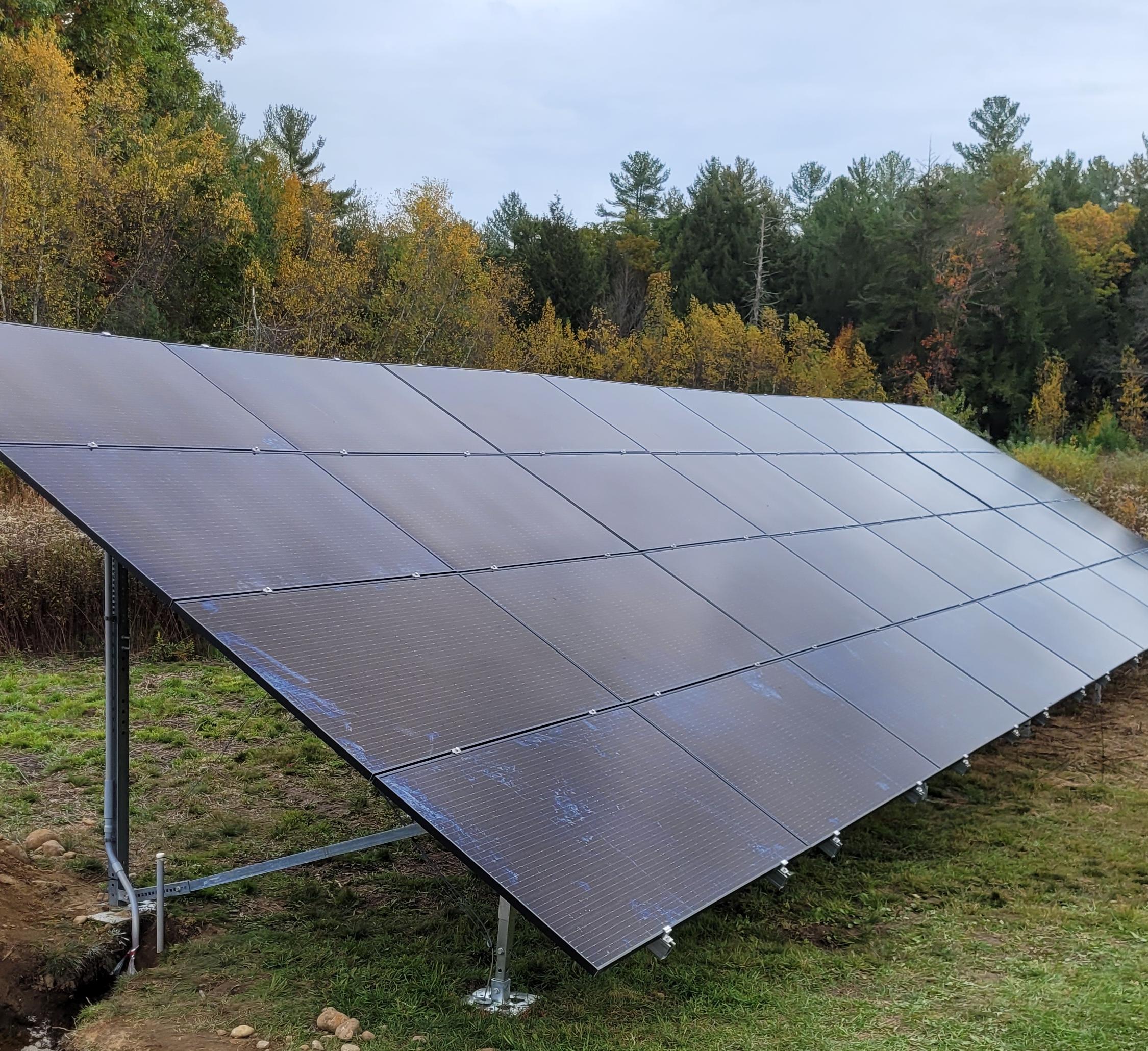
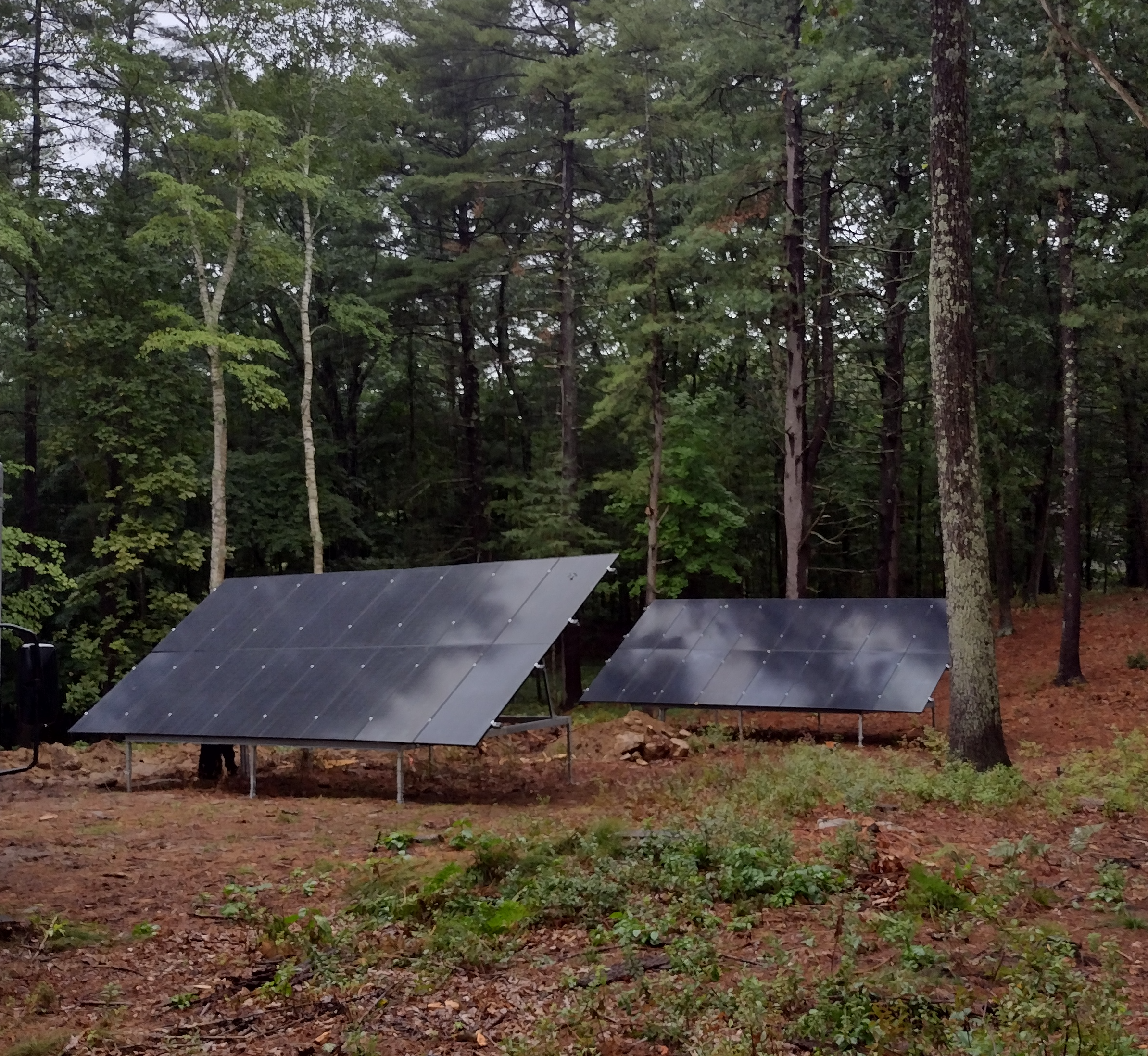
Of course, ground-mounted systems require more than just an open patch of grass. Soil conditions, property setbacks, shading, trenching, and access for installation equipment all need to be considered.
They can also involve additional construction costs compared to traditional rooftop solar.
Still, for homeowners with the right property, ground-mounted solar can be a practical way to make use of available land while reducing dependence on utility electricity.
Solar Carports: Covered Parking That Produces Power
What if your parking area could do more than provide a place for your vehicle?
Solar carports combine the functionality of covered parking with the electricity-generating benefits of solar panels.
These structures feature a canopy equipped with solar panels, allowing homeowners to generate electricity without using their home’s roof.
In New England, where vehicles are exposed to everything from summer heat to winter snowstorms, covered parking can be especially appealing.
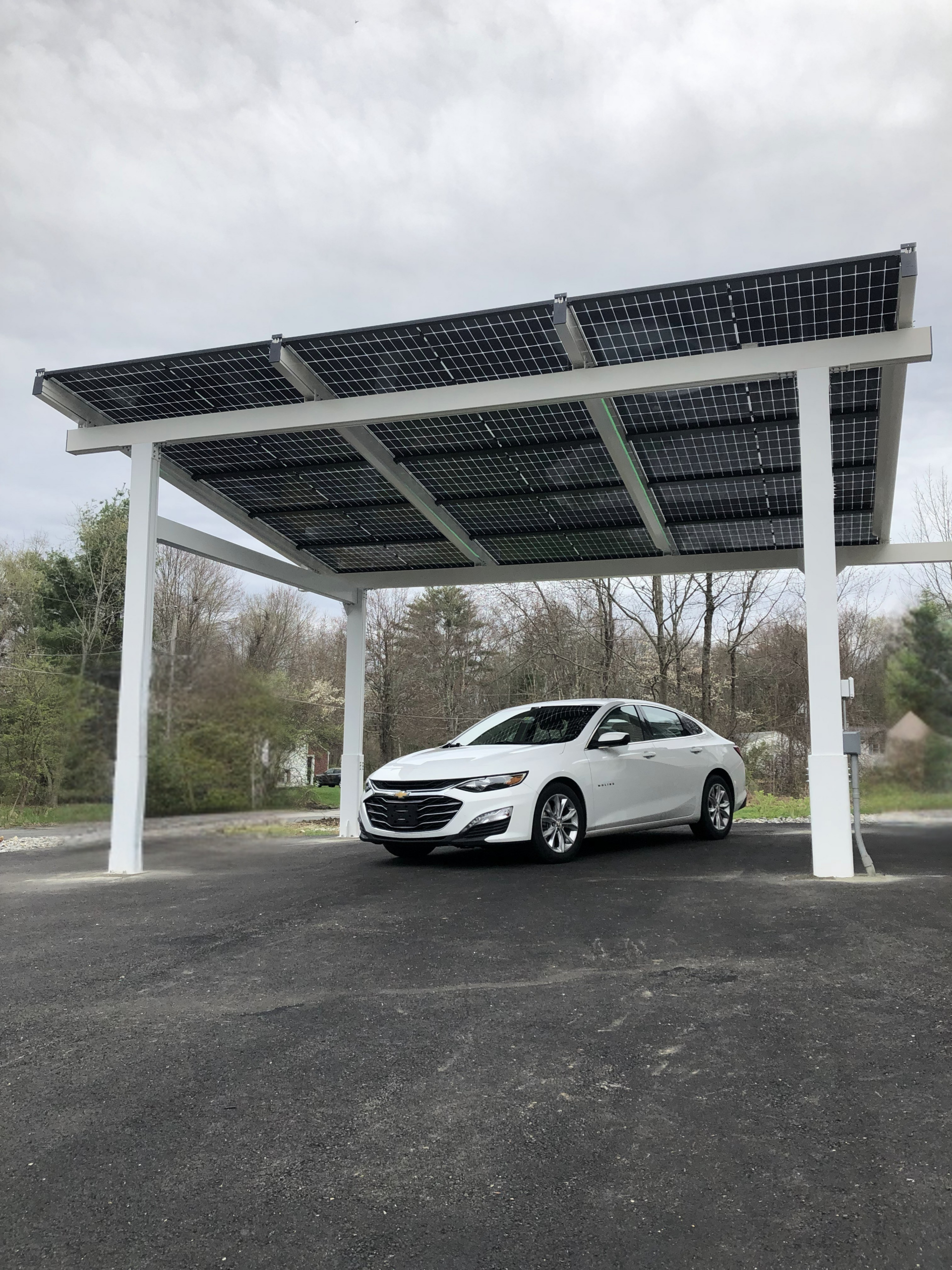
Why Consider a Solar Carport?
- Dual-purpose space: Generate clean electricity while creating a covered parking area.
- Protection from the elements: Provide shade during the summer and shelter from rain and snow throughout the year.
- Electric vehicle compatibility: Solar carports can be designed alongside EV charging equipment, making them an attractive option for electric vehicle owners.
- Alternative panel placement: A carport may provide a better solar location when a home’s roof has shading, space, or structural limitations.
Solar carports can work for both residential and commercial properties, although the size and design will depend on the available space and intended use.
Because they require a dedicated structure, foundations, and additional engineering, solar carports typically involve more planning and higher upfront costs than conventional rooftop installations.
However, for homeowners interested in combining practical outdoor improvements with renewable energy production, they offer a unique opportunity.
Custom Solar Structures: Exploring Infinity Rack
Not every solar project needs to look like a traditional rooftop or ground-mounted system.
For homeowners interested in combining solar energy with functional outdoor living spaces, custom solar structures can open up additional possibilities.
One example is Infinity Rack, a manufacturer of integrated solar structures that include carports, pergolas, canopies, and pavilions.
Unlike conventional solar racking that simply supports panels, these systems are designed to combine the structural framework, roofing system, and solar mounting components.
This allows solar panels to become part of a purposeful outdoor structure rather than an entirely separate installation.

Solar That Becomes Part of Your Outdoor Space
Custom solar structures can combine everyday function with renewable electricity production.
Potential Applications
- Solar pergolas: Create shaded outdoor gathering areas while generating electricity.
- Solar canopies: Add covered spaces to portions of a property that could benefit from weather protection.
- Custom carports: Combine a tailored architectural appearance with covered parking and solar production.
- Multi-purpose outdoor structures: Incorporate solar into outdoor spaces designed for relaxation, entertaining, or other everyday uses.
Infinity Rack structures also offer integrated weather protection and customizable finishes, making them an interesting option for homeowners who want solar to complement their property’s appearance.
As with any custom solar project, installation feasibility depends on the property, structural requirements, local permitting, and the specific design.
For homeowners exploring alternative solar mounting options, custom structures demonstrate that solar energy can be integrated into spaces they already use or have been thinking about creating.
Why Winter Is a Smart Time to Start Planning Your Solar Project
With colder weather approaching, it might seem natural to put outdoor projects on hold until spring.
But when it comes to ground-mounted systems, carports, and other custom solar structures, planning ahead can make a significant difference.
Unlike conventional rooftop installations, many of these projects require additional groundwork, foundations, structural engineering, or site preparation.
And in New England, winter conditions can complicate that work.
Frozen ground, snow accumulation, and difficult site access may affect excavation, concrete work, trenching, and other installation activities. While some projects can move forward during winter depending on conditions, others are better suited to milder weather.
In fact, fall and winter can provide an opportunity to work through important project details before construction begins.
What Can Homeowners Do During the Planning Process?
Evaluate their property: Determine whether a ground mount, carport, or another structure makes sense for their available space and energy goals.
Review site conditions: Identify potential challenges involving shading, soil conditions, drainage, and accessibility.
Discuss system design: Explore placement, energy production goals, equipment options, and the overall appearance of the installation.
Address engineering and permitting: Allow time for the design reviews and approvals that may be required for more complex installations.
Prepare for warmer-weather construction: Get important decisions underway before conditions become more favorable for outdoor installation work.
Starting early doesn’t guarantee a particular installation date, but it can help homeowners avoid unnecessary delays once they’re ready to move forward.
Which Solar Installation Option Is Right for Your Home?
There’s no single solar solution that works for every property.
A traditional rooftop installation may still be the most practical and cost-effective choice for many homeowners. But when a roof isn’t suitable, or when you have other goals for your outdoor space, exploring alternatives can be worthwhile.
The best choice depends on several factors, including your property’s layout, available sunlight, electricity needs, budget, and long-term plans.
For example, a homeowner with several acres of open land may be a strong candidate for ground-mounted solar. Someone with limited roof space but a sunny driveway might prefer a solar carport. And a homeowner planning a new outdoor living area may want to explore whether solar can be incorporated into the structure itself.
That’s why evaluating the property and understanding your energy goals are such important parts of the process.
Thinking Beyond Your Roof? Let’s Explore Your Options.
At New England Clean Energy, we believe solar should be designed around your property, your energy needs, and your long-term goals.
Whether you’re interested in a traditional rooftop system or want to learn more about alternative solar mounting options, the first step is understanding what’s possible for your home.
And if you’re considering a ground-mounted system, solar carport, or custom structure, starting the conversation during the colder months can put you in a better position to plan for the installation season ahead.
Ready to see what solar could look like on your property?
Schedule a Free ConsultationIf you liked this article, you may also like:
What Is LiDAR? How It Helps Plan Solar and Heat Pump Installations
Could Your House of Worship Benefit From Solar?
New England Clean Energy Announces Leadership Transition After 20 Years