
FranklinWH Battery Incentives: How Massachusetts Homeowners Can Save
Explore municipal battery programs, potential monthly bill credits, and upfront rebates for eligible FranklinWH home energy storage systems.
Examples only. Incentive amounts, eligibility, and program availability vary by utility.
What if your home battery could do more than provide backup power during an outage? For eligible Massachusetts homeowners, FranklinWH battery storage systems may also offer an opportunity to earn monthly utility bill credits through local energy incentive programs.
Several municipal electric utilities throughout Massachusetts offer performance-based battery incentives that reward homeowners for helping reduce electricity demand during peak periods.
Depending on your municipal utility, these programs may include monthly bill credits of $30, upfront battery rebates, or a combination of incentives.
Whether you already own a FranklinWH battery or are considering installing one, understanding these programs could help you make the most of your investment in home energy storage.
Let’s explore how FranklinWH municipal battery incentives work, which communities have participating programs, and how you can determine whether your home qualifies.
What Is the FranklinWH Municipal Performance-Based Incentive Program?
A performance-based battery incentive rewards homeowners for allowing their battery storage systems to help manage electricity demand during certain periods.
In Massachusetts, many communities receive electricity through municipally owned electric utilities, often referred to as municipal light plants (MLPs).
Unlike larger investor-owned utilities such as Eversource and National Grid, municipal light plants are owned by the communities they serve.
You can find a complete list of these providers through the Massachusetts Department of Public Utilities’ municipal electric company directory.
Some municipal utilities participate in programs such as NextZero Connected Homes, which encourages homeowners to use connected energy technologies, including eligible home batteries, to reduce electricity demand when the grid is under the most pressure.
For FranklinWH battery owners, participation may provide a financial incentive in exchange for allowing their battery to support their home’s energy needs during designated peak-demand periods.
This means your battery could potentially provide two important benefits:
- Backup power: Store electricity for use during outages.
- Financial incentives: Receive qualifying utility bill credits for participating in an approved energy management program.
Program availability, eligible equipment, and compensation vary by utility.
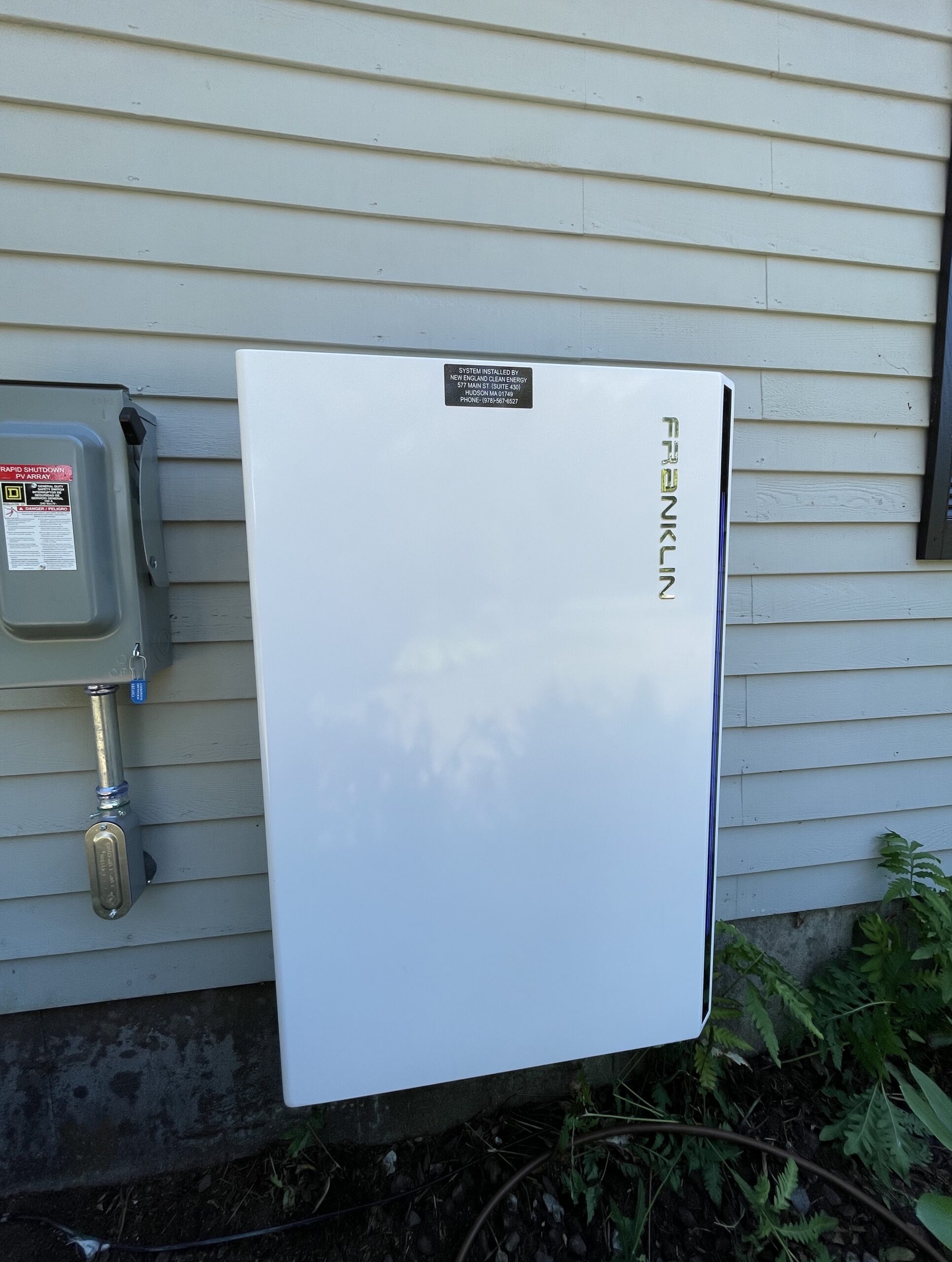
How Do FranklinWH Battery Performance Incentives Work?
Electricity demand fluctuates throughout the day. During particularly hot afternoons, cold evenings, or other periods of increased demand, utilities may need to purchase more expensive electricity to meet customers’ needs.
These periods are commonly called peak-demand events.
When many households use electricity simultaneously, it places additional pressure on the electrical grid and can increase costs for utilities.
Battery incentive programs help address this challenge by encouraging participating homeowners to use stored electricity instead of drawing as much power from the grid.
Here’s how the process generally works:
- Enroll an eligible battery: Homeowners register their compatible FranklinWH battery through the appropriate utility incentive program.
- Prepare for peak events: When high electricity demand is expected, the program may request that participating battery systems be prepared to support household electricity needs.
- Use stored energy: During a qualifying event, your battery can help power your home, reducing the electricity you need from the grid.
- Receive incentives: Eligible participants may receive monthly bill credits or other compensation, depending on their utility’s program requirements.
For example, the Holyoke Connected Homes program lists FranklinWH as an eligible battery brand and explains that participating batteries help reduce household grid demand during peak events.
An important distinction is that these programs don’t always require homeowners to send stored electricity directly back to the grid. Some compensate customers for reducing the electricity their homes draw during peak periods.
This is why performance-based incentives are different from traditional solar net metering.
Which Massachusetts Municipal Utilities Offer Battery Incentives?
According to incentive information presented in a FranklinWH municipal utility webinar, multiple communities have programs featuring potential monthly bill credits, upfront battery rebates, or both.
However, eligibility depends on each utility’s current requirements and whether the specific FranklinWH equipment is approved for that particular incentive.
Municipalities With Potential $30 Monthly Battery Credits
The following communities were identified in FranklinWH’s municipal incentive overview.
| Municipality | Incentive Described |
|---|---|
| Belmont | $30/month bill credit |
| Chicopee | $30/month bill credit |
| Concord | $30/month; time-of-use considerations |
| Hingham | $30/month bill credit |
| Holden | $30/month bill credit |
| Holyoke | $30/month bill credit |
| Mansfield | $30/month; special restrictions |
| Princeton | $30/month bill credit |
| Reading | $30/month bill credit |
These amounts represent potential program incentives, not guaranteed payments. Homeowners should confirm current FranklinWH compatibility, enrollment requirements, and payment terms with their municipal utility.
For example, both Belmont’s Connected Homes program and Chicopee’s Connected Homes program identify FranklinWH batteries as eligible for a $30 monthly incentive.
Some utilities issue these credits quarterly, rather than applying them to each individual monthly bill.
The FranklinWH webinar also identified Stowe, Vermont, as a participating community, although this article focuses primarily on Massachusetts homeowners.
Municipalities With Potential Upfront Battery Rebates
In addition to recurring bill credits, certain municipal utilities offer upfront incentives designed to reduce the initial cost of qualifying battery installations.
The FranklinWH webinar highlighted the following municipal battery rebate programs:
| Municipality | Advertised Upfront Rebate |
|---|---|
| Marblehead | $150/kWh |
| Ipswich | $100/kWh |
| Shrewsbury | $100/kWh |
| Sterling | $100/kWh |
| Templeton | $100/kWh |
| Wakefield | $100/kWh |
| West Boylston | $100/kWh |
For instance, Sterling’s battery rebate program explicitly includes FranklinWH among its eligible battery brands and lists a rebate of $100 per kWh for qualifying systems with 7.5–20 kWh of storage capacity.
Other communities may impose different equipment, capacity, installation, or enrollment restrictions.
Before purchasing a battery based on a potential rebate, homeowners should verify the current program details with their municipal utility or installer.
How Much Could You Save With FranklinWH Battery Incentives?
The amount you could receive depends on your municipal utility, battery system, and program eligibility.
Let’s look at two illustrative examples.
Example 1: Receiving a $30 Monthly Bill Credit
If your municipal utility offers a $30 monthly incentive for an eligible FranklinWH battery, the potential annual benefit would be:
Over five years, that would total $1,800 in potential bill credits, assuming the program and credit amount remain unchanged and you qualify for every monthly payment.
The actual amount may vary depending on program participation, performance requirements, available funding, and future changes to utility incentives.
Example 2: Qualifying for an Upfront Battery Rebate
Some municipalities also offer rebates based on the storage capacity of a qualifying battery installation.
For example, under a $100-per-kWh rebate structure, a qualifying 15 kWh battery could potentially receive:
If that installation also qualified for a separate $30 monthly participation credit, the homeowner could potentially receive additional ongoing benefits.
Not every utility allows all incentives to be combined, and not every battery qualifies for each program. Always verify the applicable rules before calculating potential savings.
Already Own a FranklinWH Battery? Here’s How to Check Your Eligibility
If you already have a FranklinWH home battery, you may be able to participate in a municipal battery incentive program without installing new equipment.
FranklinWH offers energy management and eligible virtual power plant enrollment features through its mobile application.
According to FranklinWH’s guide to managing home energy through its app, qualifying homeowners can access available virtual power plant programs through the app’s settings.
To explore your options:
- Confirm your electric utility: Check whether your home receives electricity from a participating municipal light plant.
- Review current program eligibility: Verify that your utility currently accepts your FranklinWH battery model and system configuration.
- Open the FranklinWH app: Look for available Virtual Power Plant (VPP) enrollment options in the settings menu.
- Complete the appropriate enrollment process: Follow the app instructions and any additional registration requirements from your utility or program administrator.
- Review participation requirements: Understand how peak-demand events, battery reserve settings, and bill credits will work.
Keep in mind that enrollment options may vary depending on your battery model, software version, utility territory, and current program availability.
If you’re unsure whether your existing FranklinWH system qualifies, New England Clean Energy can help you understand what information to review.
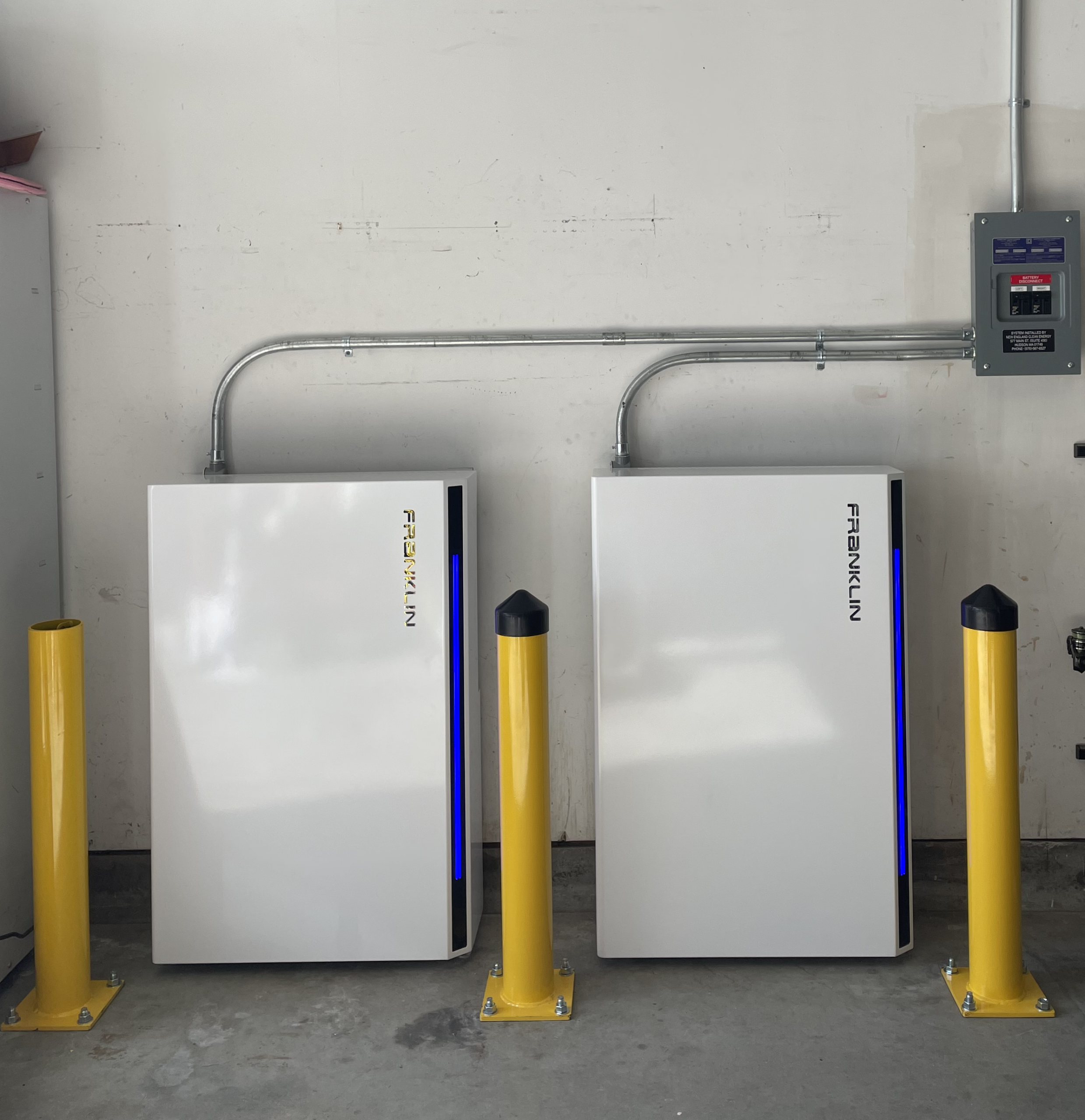
Don’t Have a FranklinWH Battery Yet? You May Still Benefit
You don’t necessarily need to be an existing battery owner to take advantage of these opportunities.
If you’re considering home battery storage, municipal incentive programs could be another factor to consider when evaluating your investment.
A FranklinWH battery system can be designed as part of a new solar installation or, where compatible, added to an existing solar energy system.
Adding a Battery to Your Existing Solar Panels
Already have rooftop solar panels?
Adding a compatible battery storage system may allow you to store excess solar electricity for later use instead of relying exclusively on the grid when your panels aren’t producing electricity.
Battery storage can also provide backup power during outages when the system is configured for that purpose.
For homeowners in participating municipal utility territories, a qualifying FranklinWH system may also provide access to available performance-based incentives.
Installing a Standalone FranklinWH Battery
Homeowners can also consider certain battery storage configurations without installing new solar panels.
Depending on utility rules and equipment configuration, batteries may be able to charge from the grid and provide backup electricity when needed.
However, not all utility incentive programs allow the same operating arrangements, and some have specific requirements for solar pairing, battery charging, or grid exports.
New England Clean Energy can help assess whether a FranklinWH whole-home energy storage solution makes sense for your property.
What Should Homeowners Know Before Enrolling?
Although municipal battery incentive programs can offer meaningful financial benefits, there are several things to understand before enrolling.
Participation Requirements
Some programs require your battery to participate in designated peak-demand events.
Certain utilities may allow you to opt out of individual events, but doing so could affect your incentive eligibility.
Battery Reserve Settings
Your battery’s primary purpose may be to provide backup power for your home.
Before enrolling, it’s important to understand how program participation could affect the amount of electricity stored for emergencies.
Program Availability
Municipal incentive programs can change over time. Funding, eligible equipment, compensation amounts, and application requirements may be updated or discontinued.
Battery Compatibility
Not every battery model is automatically eligible for every municipal program.
Even when a town offers a battery rebate or monthly credit, homeowners should confirm that their particular FranklinWH system qualifies.
Local Utility Rules
Some utilities have additional restrictions related to electricity exports, time-of-use rates, battery capacity, or existing installations.
For example, Concord has specific time-of-use considerations, while some other municipal programs restrict battery exports to the grid.
Verifying these requirements before installation can help avoid unexpected complications.
Why FranklinWH Battery Storage Makes Sense for New England Homeowners
Financial incentives are only one potential benefit of investing in battery storage.
For homeowners throughout Massachusetts and New England, having reliable access to stored electricity can be especially valuable during severe weather.
Winter storms, high winds, and unexpected grid outages can interrupt electricity service, making backup power an important consideration.
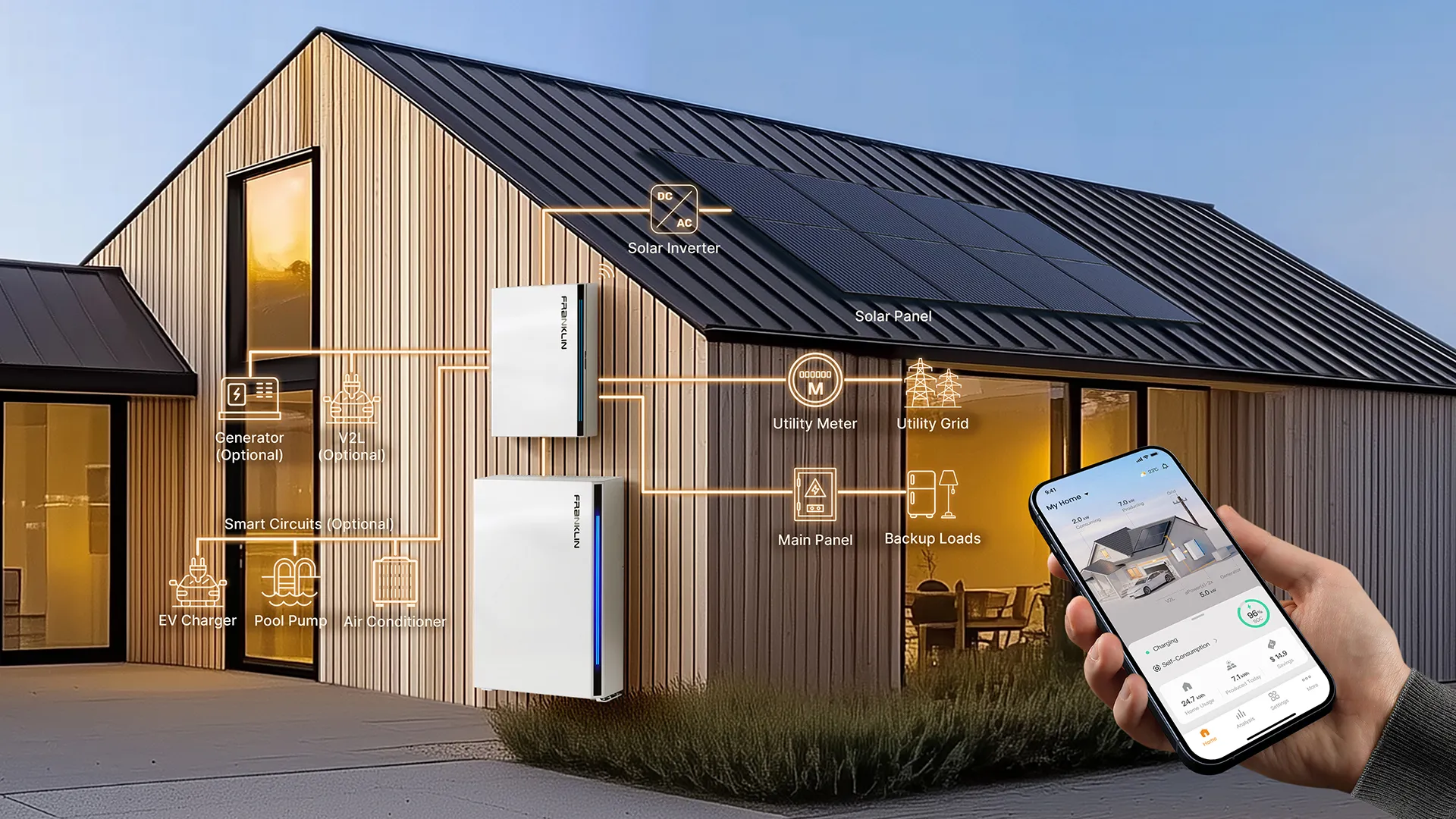
A properly sized FranklinWH system can help homeowners:
- Maintain electricity for essential appliances during outages.
- Store electricity generated by compatible solar panel systems.
- Manage energy consumption during peak pricing periods.
- Reduce dependence on grid electricity.
- Prepare for future household electrification needs.
- Potentially earn incentives through qualifying utility programs.
With the right equipment and system configuration, battery storage can provide both everyday energy management benefits and additional peace of mind during unexpected power interruptions.
Frequently Asked Questions About FranklinWH Municipal Battery Incentives
Can I Get Paid for Having a FranklinWH Battery in Massachusetts?
Potentially, yes. Certain Massachusetts municipal utilities offer battery participation programs that provide monthly bill credits to eligible FranklinWH owners.
For example, some Connected Homes programs list a $30 monthly battery incentive. Actual eligibility depends on your utility, equipment, and participation requirements.
How Much Is the FranklinWH Monthly Battery Incentive?
Several participating municipal utilities advertise a $30 monthly incentive for eligible batteries, potentially totaling $360 annually.
However, payment amounts, timing, and program terms vary by utility and may change.
Do I Need Solar Panels to Qualify for FranklinWH Battery Incentives?
Not necessarily. Some battery systems can operate independently of solar panels.
However, eligibility for specific municipal incentive programs may depend on the battery configuration, electricity source, and utility requirements.
Can I Enroll My Existing FranklinWH Battery?
Possibly. If your municipal utility supports your FranklinWH battery model and currently accepts new participants, you may be able to enroll an existing system.
Check your utility’s program requirements and the enrollment options available through the FranklinWH app.
Will Participating in a Battery Incentive Program Affect My Backup Power?
Participation may affect how your battery is used during peak-demand events.
Some programs require batteries to supply household electricity during designated periods. Homeowners should review applicable battery reserve settings and program rules before enrolling.
Are FranklinWH Municipal Incentives the Same as ConnectedSolutions?
No. Municipal light plant programs generally operate separately from battery incentive programs available through investor-owned utilities such as National Grid and Eversource.
Eligibility depends on which utility serves your home and the specific programs available in that territory.
Explore FranklinWH Battery Storage With New England Clean Energy
If you live in a Massachusetts community with a participating municipal utility, your home battery could potentially do more than provide backup electricity.
With available performance-based incentives, eligible FranklinWH owners may be able to receive monthly bill credits while helping their local utility manage electricity demand.
And if you haven’t installed a battery yet, these programs could provide an additional reason to explore home energy storage.
New England Clean Energy can help you evaluate FranklinWH battery storage options, whether you’re looking to add a battery to an existing solar system or install a new solar-plus-storage solution.
Learn More About FranklinWH Whole-Home Battery Storage
For more information about battery storage options and potential incentive opportunities in your area, contact New England Clean Energy at 978-567-6527.
Disclaimer: Incentive details are based on program information available at the time of writing. Municipal utility incentives, eligible products, rebate amounts, and participation requirements are subject to change. Contact your utility to confirm current offers and eligibility before making purchasing or enrollment decisions.