


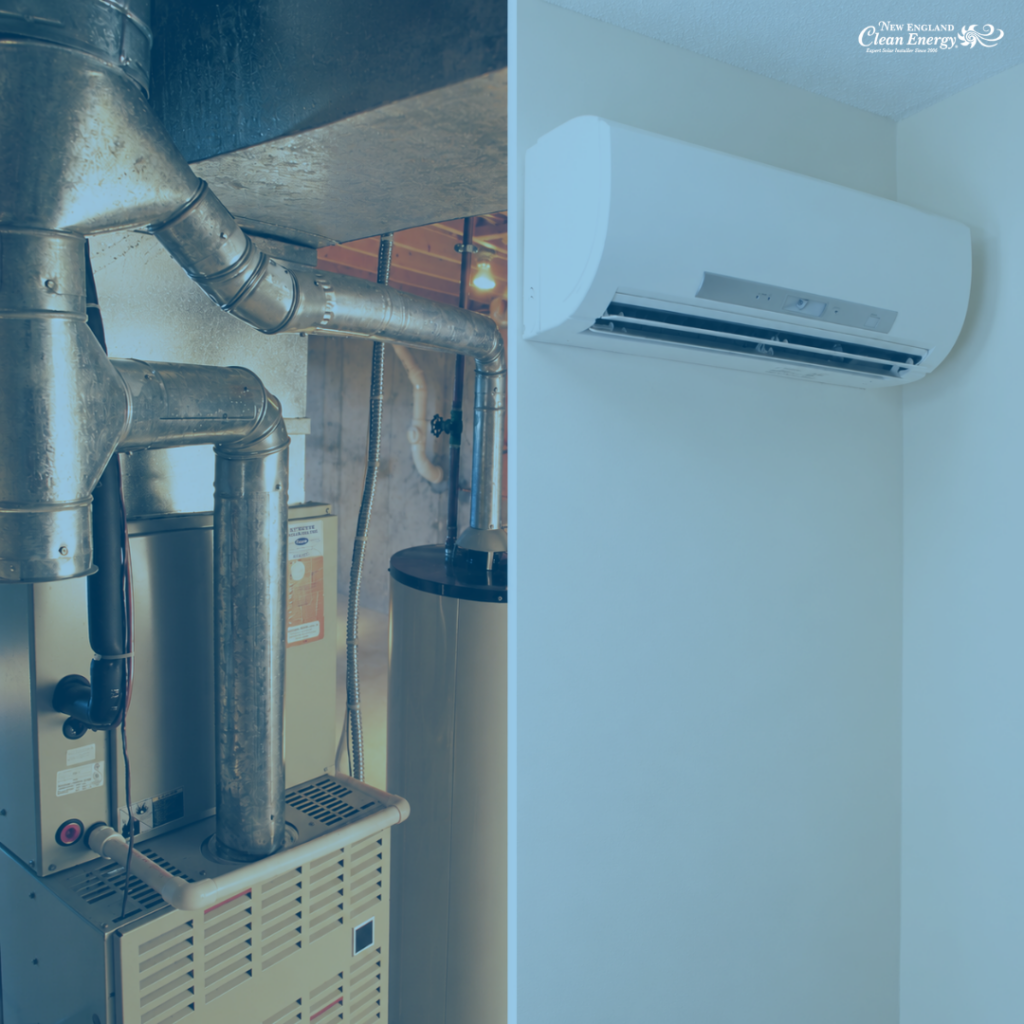

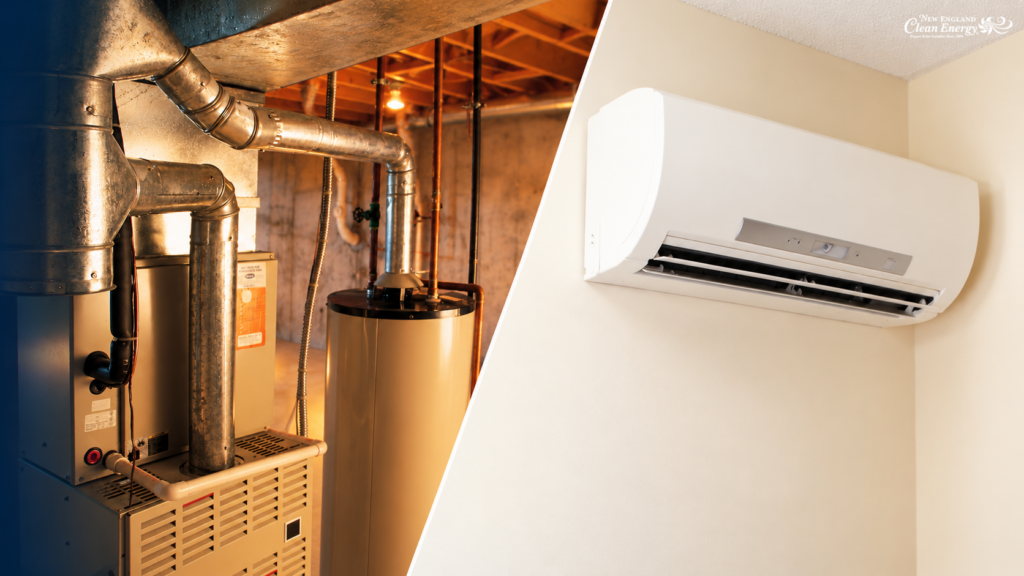
If you heat your home with oil, you already know how quickly a New England winter can turn into an expensive one.
Heating oil prices can fluctuate significantly, leaving homeowners with little control over what their next delivery will cost. That has more homeowners in Massachusetts, Maine, New Hampshire, and Rhode Island considering cold-climate heat pumps as an alternative.
But when you compare heat pump vs oil heating cost, which option actually costs less?
For many homes, a properly designed cold-climate heat pump can reduce the amount spent on heating compared with an older oil-fired system. But there isn’t one savings percentage that applies to everyone.
Your actual heat pump vs oil heating cost depends on your electric rate, heating oil price, current heating-system efficiency, the efficiency of the heat pump, your home’s heating needs, and how the system is designed.
Let’s take a closer look.
Heat Pump vs Oil Heating Cost: Why Efficiency Matters
One of the biggest differences between oil heat and a heat pump is how each system creates—or, in the case of a heat pump, moves—heat.
An oil furnace or boiler burns heating oil to generate heat. Not all of the energy contained in that fuel ultimately becomes usable heat inside your home.
A heat pump works differently.
Instead of burning fuel, it uses electricity to transfer heat from the outdoor air into your home. Because a heat pump moves heat rather than generating all of it from electricity, it can deliver more heating energy than the electrical energy it consumes.
That efficiency is one of the biggest reasons the heat pump vs oil heating cost comparison can favor heat pumps.
Modern cold-climate heat pumps are also designed specifically for lower outdoor temperatures. ENERGY STAR’s cold-climate designation requires qualifying systems to meet additional low-temperature performance standards, including a coefficient of performance of at least 1.75 at 5°F and at least 70% of their 47°F heating capacity at 5°F.
That’s an important distinction for homeowners in Massachusetts, Maine, New Hampshire, and Rhode Island, where heating equipment needs to perform during genuinely cold winter weather.
How Much Does Oil Heat Cost?
Heating oil prices are constantly changing, so annual costs can vary considerably from one winter to another.
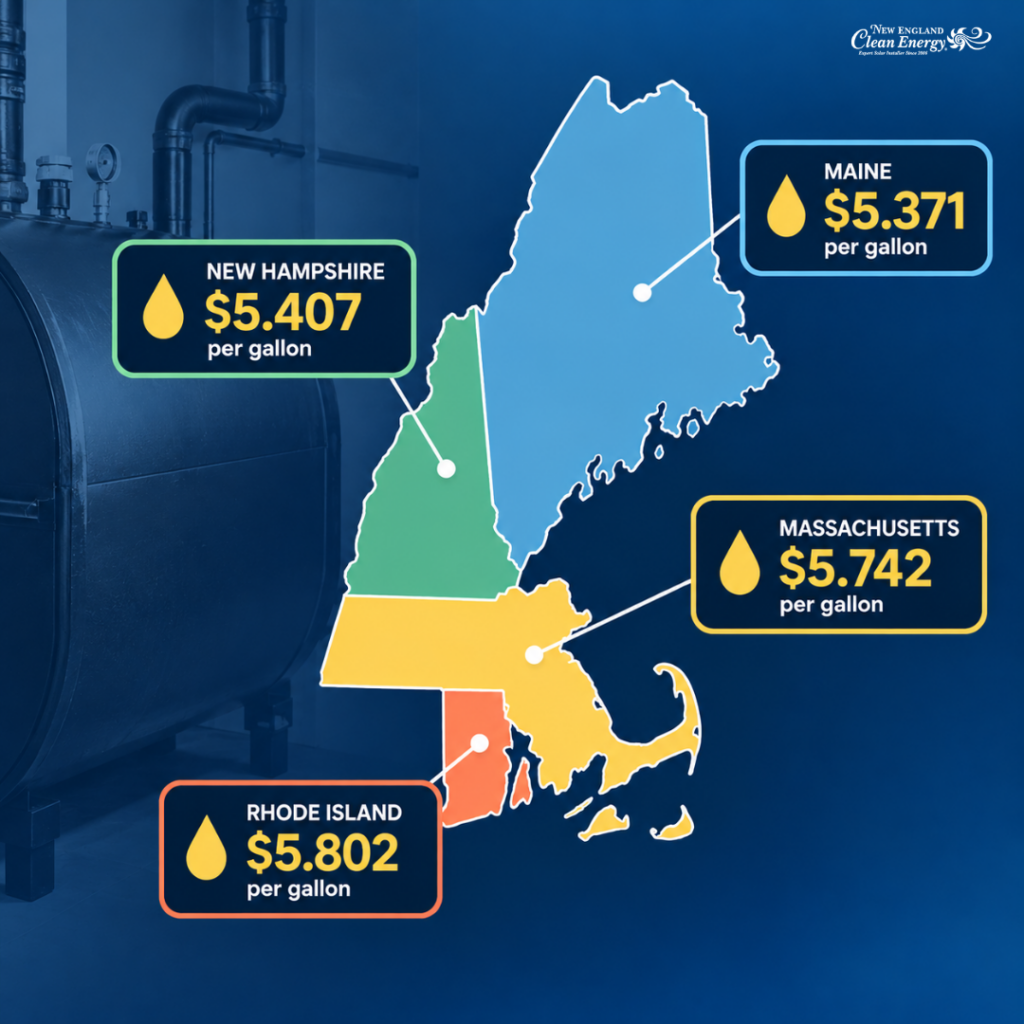
According to the U.S. Energy Information Administration, residential heating oil prices on March 30, 2026 were:
- Massachusetts: $5.742 per gallon
- Rhode Island: $5.802 per gallon
- New Hampshire: $5.407 per gallon
- Maine: $5.371 per gallon
These numbers represent prices at one point in time, rather than what every homeowner will pay throughout an entire heating season. But they demonstrate one of the challenges of relying on oil: the price of the fuel itself can change significantly.
And the price per gallon doesn’t tell the whole story.
The amount you actually spend to heat your home also depends on the efficiency of your oil boiler or furnace. Older equipment may require more fuel to deliver the same amount of usable heat as a newer, more efficient system.
That’s why comparing heat pump vs oil heating cost requires looking at more than the advertised price of electricity versus the price of a gallon of oil.
What Does It Cost to Heat With a Heat Pump?
Heat pumps run on electricity.
And electricity isn’t inexpensive in New England.
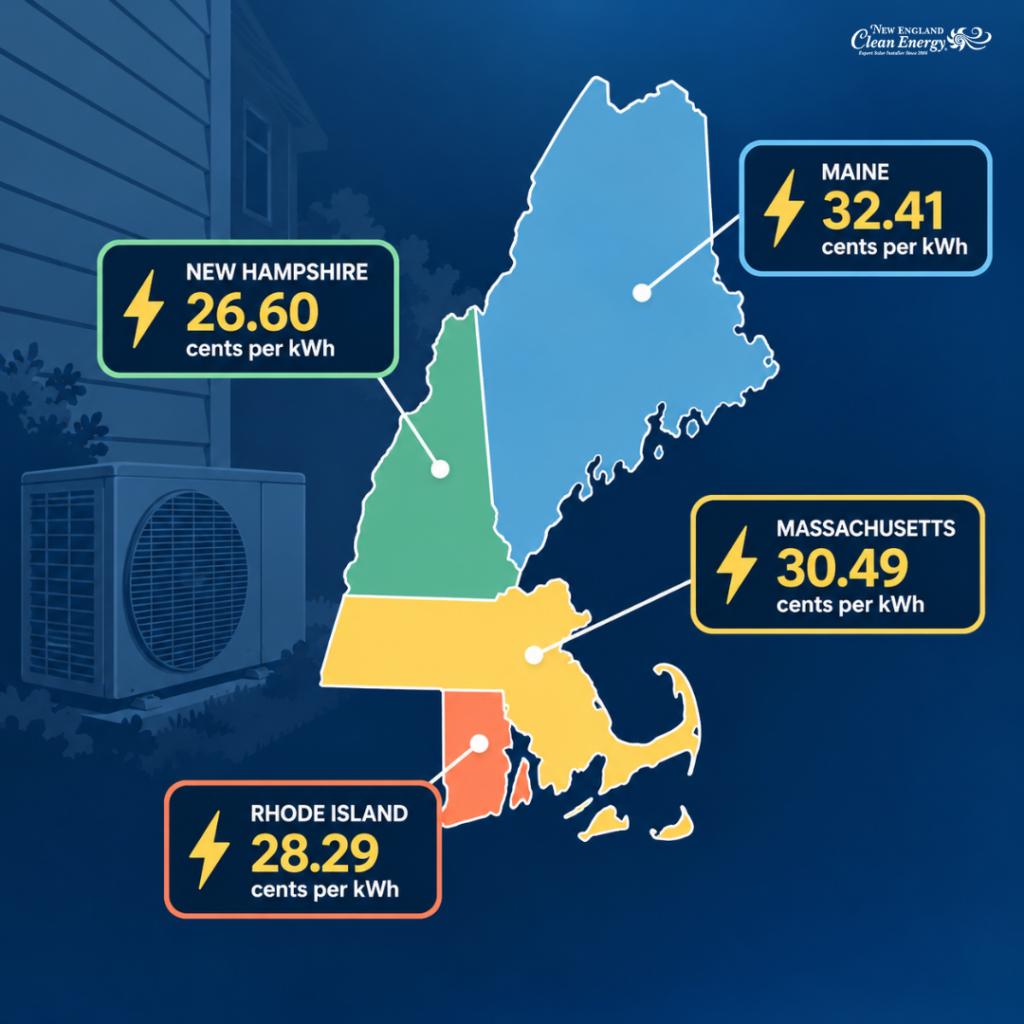
According to the EIA, average residential electricity prices in July 2026 were:
- Maine: 32.41 cents per kWh
- Massachusetts: 30.49 cents per kWh
- Rhode Island: 28.29 cents per kWh
- New Hampshire: 26.60 cents per kWh
At first glance, those rates may make electric heating sound expensive.
But a heat pump isn’t the same thing as traditional electric resistance heating.
Electric resistance equipment generally creates heat directly from electricity. A heat pump instead uses electricity to transfer existing heat from one place to another.
That difference is crucial when comparing heat pump vs oil heating cost.
Depending on outdoor conditions and the equipment being used, a heat pump can deliver multiple units of heating energy for each unit of electricity consumed.
Don’t Compare a Gallon of Oil to a Kilowatt-Hour of Electricity
A gallon of heating oil and a kilowatt-hour of electricity are completely different units, so comparing their retail prices directly can be misleading.
What homeowners really want to know is:
How much does it cost to deliver the amount of heat my house actually needs?
That calculation depends on several factors:
- Your local electricity rate
- The price you’re paying for heating oil
- Your current oil system’s efficiency
- The heat pump’s efficiency
- Outdoor temperatures
- Your home’s insulation and air sealing
- The size and layout of your home
- Your heating habits
- How the heat pump is sized and designed
- Whether your oil system remains as supplemental or backup heat
Two neighboring homes could therefore see very different results from the same heat pump vs oil heating cost comparison.
That’s one reason online savings calculators should be viewed as estimates rather than guarantees.
Can Heat Pumps Really Handle a New England Winter?

This is one of the most common questions homeowners have.
Older heat pump technology struggled more as outdoor temperatures dropped. Modern cold-climate equipment is considerably different.
ENERGY STAR requires qualifying cold-climate heat pumps to demonstrate low-temperature heating performance at 5°F. Current criteria require a coefficient of performance of at least 1.75 at that temperature and at least 70% of the unit’s 47°F heating capacity.
Cold-climate heat pumps can also continue operating below 5°F, although system performance and the role of backup heat depend on the individual equipment and home.
For New England homeowners, that means the question is no longer simply whether a heat pump can operate in cold weather.
The more important questions are:
Which heat pump is appropriate for the home, and how should it be designed for that home’s heating load?
Proper Heat Pump Sizing Matters
A heat pump shouldn’t be selected based on square footage alone.
Two 2,000-square-foot homes can have dramatically different heating requirements.
Factors such as insulation, air leakage, windows, ceiling height, layout, orientation, and the age of the house can all affect how much heat the building requires.
That’s why an on-site assessment is an important part of the process.
At New England Clean Energy, we evaluate the property before recommending a heat pump system so the equipment can be designed around the actual home rather than a generic rule of thumb.
Proper sizing matters because installing the largest possible heat pump isn’t necessarily better.
A thoughtfully designed system can help support:
- Better comfort
- More consistent temperatures
- Efficient operation
- Appropriate cold-weather performance
- Reduced unnecessary equipment cycling
- More realistic operating-cost expectations
All of those factors ultimately affect your heat pump vs oil heating cost comparison.
Your Home’s Insulation Matters, Too
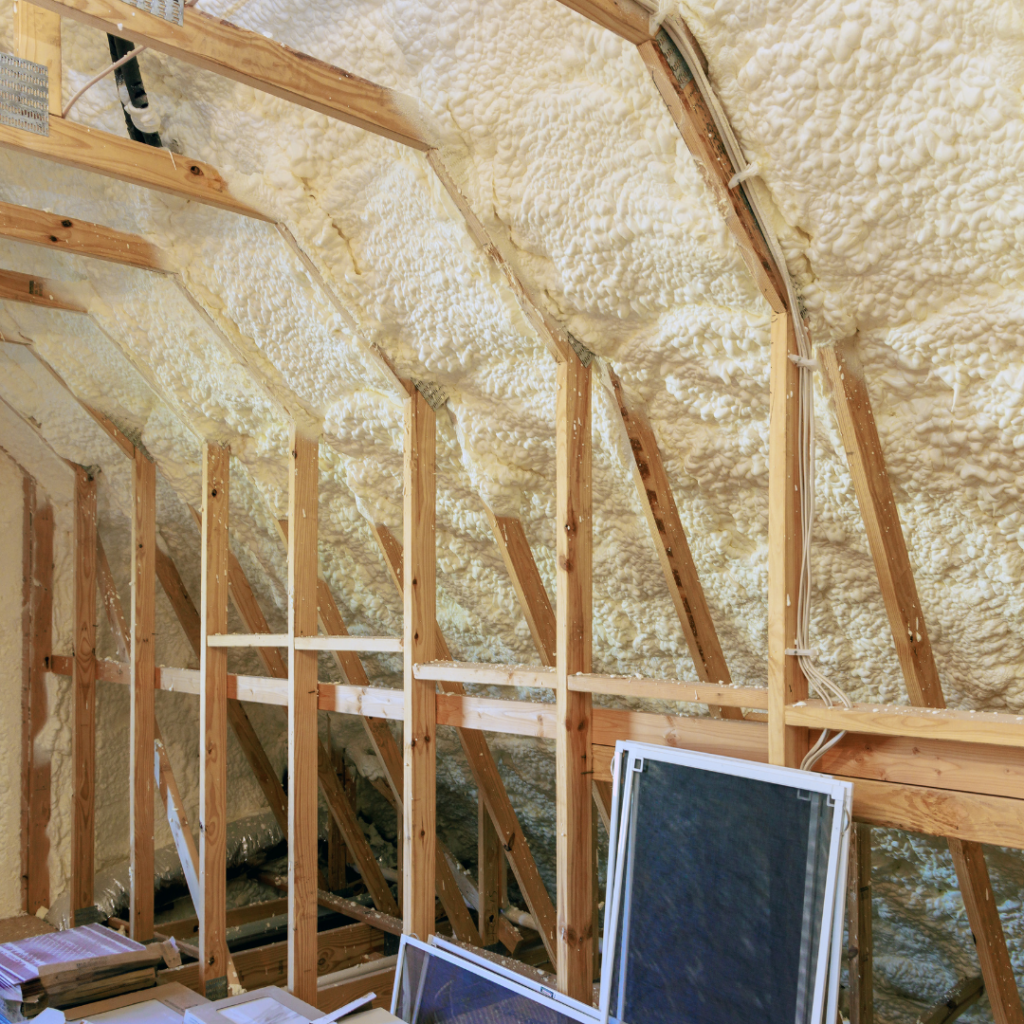
Heating equipment doesn’t operate in isolation.
If your home loses heat quickly through an under-insulated attic, drafty windows, air leaks, or other parts of the building envelope, your heating system has to work harder to maintain the same indoor temperature.
That is true whether you’re using oil or a heat pump.
Improving insulation and air sealing can reduce the amount of heat your home needs in the first place, which can make a heat pump more effective and reduce operating costs.
For older New England homes in particular, understanding the condition of the building envelope can be an important part of deciding how to transition away from oil.
A Heat Pump Gives You Air Conditioning, Too
There’s another difference that’s easy to overlook when comparing heat pump vs oil heating cost.
Your oil boiler or furnace heats your home.
A heat pump can both heat and cool it.
If you currently rely on window air conditioners—or you’re considering installing a separate central air-conditioning system—the year-round functionality of a heat pump should be part of the comparison.
Instead of investing in separate systems for heating and cooling, a heat pump can provide both from the same equipment.
That doesn’t mean every homeowner needs to remove their oil system immediately.
Some homeowners initially use heat pumps alongside an existing oil boiler or furnace, allowing the systems to work together while reducing overall oil consumption.
Other homes may be good candidates for transitioning away from oil altogether.
The right setup depends on the home.
Heat Pumps Can Reduce Your Dependence on Heating Oil
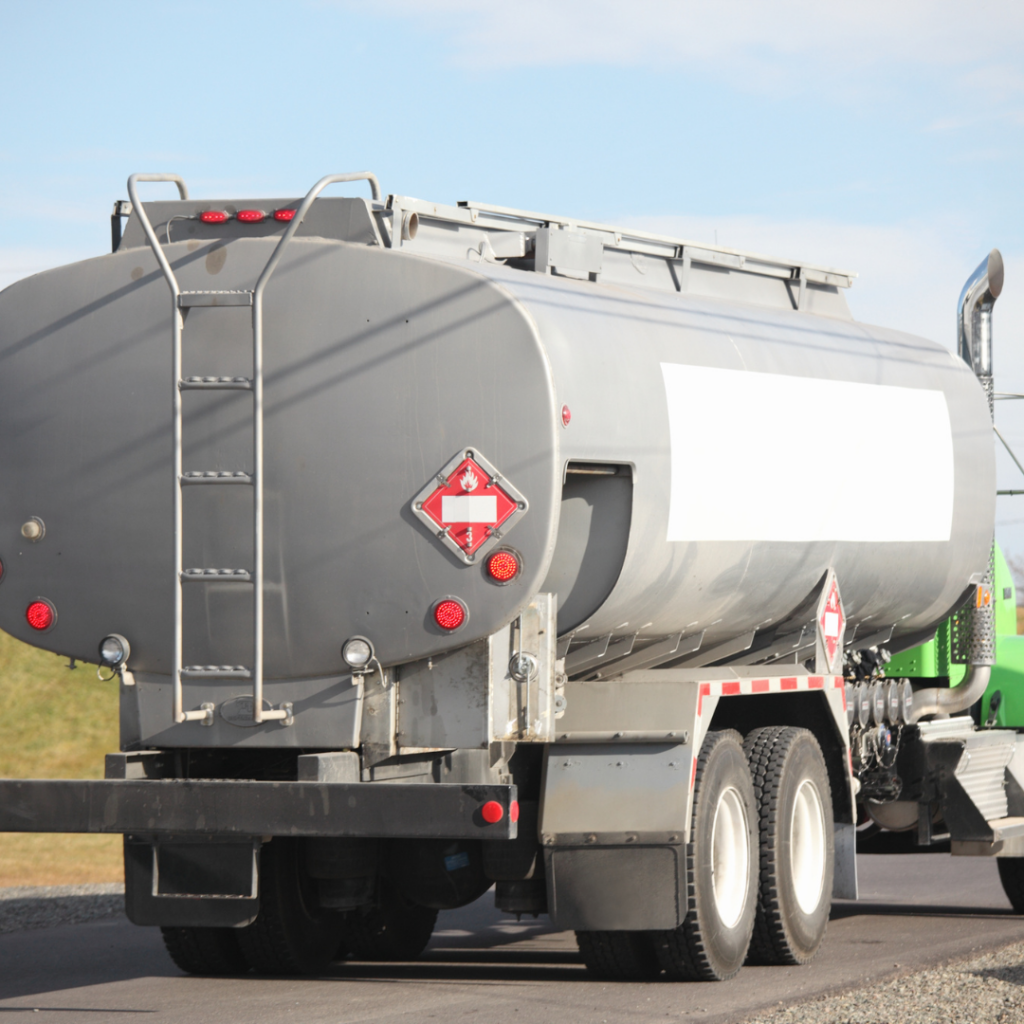
Heating with oil also comes with some expenses and responsibilities that aren’t always reflected in a simple fuel-cost comparison.
Oil-heated homes typically need to account for:
- Fuel deliveries
- An oil storage tank
- Furnace or boiler maintenance
- Changing fuel prices
- Monitoring fuel levels
- The possibility of running low during periods of heavy winter use
A home primarily heated by a heat pump relies on electricity instead of recurring fuel deliveries.
For homeowners who eventually stop using oil entirely, that can also mean no longer maintaining an oil tank or scheduling heating oil deliveries.
So the heat pump vs oil heating cost comparison isn’t just about the cost of energy. It’s also about how you want your home’s heating system to operate over the long term.
Can Solar Reduce Heat Pump Costs Even Further?

For homeowners considering both solar and heat pumps, it’s worth looking at the two systems together.
Switching from oil to a heat pump moves a portion of your home’s energy consumption from heating oil to electricity.
That means your electric usage will increase.
Solar can potentially offset some of that increased electricity consumption by producing electricity at your property.
That’s why homeowners planning future electrification projects should think about them before their solar system is designed.
If you’re considering:
- A heat pump
- An electric vehicle
- A heat pump water heater
- Additional electrical appliances
Those future loads can affect how much electricity your household will eventually use.
Designing solar around your current electric bill without accounting for planned electrification could result in a system that doesn’t reflect your future energy needs.
For homeowners considering both technologies, planning them together can provide a clearer picture of long-term energy use.
Heat Pump vs Oil Heating Cost: Which Saves More?
So which wins the heat pump vs oil heating cost comparison?
For many homes in Massachusetts, Maine, New Hampshire, and Rhode Island, a properly designed cold-climate heat pump can offer lower heating costs than relying entirely on an older oil-fired heating system.
But the answer depends on the house.
There isn’t one responsible savings percentage that applies to every homeowner.
A useful comparison should consider:
- How much oil you currently use
- What you’re currently paying per gallon
- Your electricity rate
- Your oil system’s efficiency
- Your home’s actual heating load
- The efficiency of the proposed heat pump
- Cold-weather performance
- Insulation and air sealing
- How the system will be sized
- Whether oil will remain as backup heat
The best question isn’t simply:
“Are heat pumps cheaper than oil?”
Instead, ask:
“What would it cost to heat my home with a properly designed heat pump compared with what I’m currently spending on oil?”
That gives you a much more useful answer.
Find Out What a Heat Pump Could Cost for Your Home
Homes across Massachusetts, Maine, New Hampshire, and Rhode Island vary widely in age, construction, insulation, layout, and heating needs.
Your heat pump system should account for those differences.
New England Clean Energy evaluates your home, existing heating equipment, energy use, layout, and goals before recommending a heat pump system.
We’ll help you understand how a heat pump could fit into your home, what it may mean for your energy use, and whether combining a heat pump with solar could make sense for your long-term energy plans.
Ready to compare heat pump vs oil heating cost for your home?
Contact New England Clean Energy to schedule a heat pump assessment in Massachusetts, Maine, New Hampshire, or Rhode Island and get recommendations based on your actual home—not a generic online estimate.