In 2020, we experienced not just a global pandemic but also devastating forest fires, hurricanes, floods, and heatwaves here at home. As a result of the record-breaking natural disasters in 2020, more people are realizing that (1) the climate is changing rapidly and (2) humans can play a role in managing it. Now, what does this have to do with New England Clean Energy? Well, I believe we are entering a Golden Age of renewable energy, in which solar panel sales will be a key player. So when you think to yourself, “When is the best time to invest in solar?” I think the time has never been better. Here’s why.
More people believe climate change is real.
Biden is certainly not the first president to encourage the shift to renewable energy. But his effort comes at a time when seven in ten Americans (73%) think climate change is happening. This number has increased 10% in the last five years as a result of escalating weather events here at home and abroad, a grassroots movement for strengthened climate policy, and scientists’ intensified warnings about environmental consequences if economic and cultural changes are not immediately adopted.According to a 2019 report by the Pew Research Center, “three-quarters of Americans (77%) agree that the more important energy priority should be developing alternative energy sources such as wind and solar power and hydrogen technology rather than increasing U.S. production of fossil fuels.” In other words, Americans are realizing the urgency of climate change, and the willingness to confront it is at an all-time high.
The new administration is taking action.
This elevated public fervor is one factor spurring the shift to renewable energy. The other factor is government action. With moderate minds now taking charge in the Senate, House, and Oval Office, legislative action can make the public’s wishes come to fruition. Additionally, some states are taking action on a local level.
Hand in hand, the public’s enthusiasm for action and the government’s ability to incentivize change will usher in the Golden Age of solar panel sales.
What will this mean for you? Well, with these developments, the choice to go solar has never been easier.
Solar Panel Sales will lead the Golden Age: 5 reasons.
1. Solar offers the most bang for your buck.
Five renewable options sit atop the renewable energy pillar: solar, wind, geothermal, biomass, and hydropower. Of these, solar panel sales have the most potential to generate enormous amounts of energy relatively cheaply. The free (and endless) energy from the sun produces an estimated 85,000-120,000 terawatts (terawatts meaning trillion watts) of power. To give you some perspective of this scale, all of human civilization was powered by just 18 terawatts in 2016.
2. Solar panels are getting cheaper.
Solar has a zero cost input—sunlight—and requires little maintenance once installed. This means the bulk of the expense consists of the solar panels, inverter, and installation. But thanks to state and local incentives and increased panel production, these upfront costs are also decreasing. In 2009, solar customers paid around $7.06 per watt. Today, residential solar panel sales average about $3.50 per watt. As a result of increasing panel efficiency and market diversification, costs will continue to fall.
3. Adding solar panels to your roof minimizes your carbon footprint.
Solar electricity is scalable and clean, which minimizes harmful impacts on the environment. Oil, coal, and natural gas extraction processes often involve the exploitation of natural resources. There are two main environmental impacts: direct and indirect. A direct impact is the degradation or pollution of wildlife habitats at extraction sites. An indirect impact is the increased access to human settlement and agriculture. Solar power is more eco-friendly because it can be placed atop roofs of existing buildings or on small sectors of land.Another plus of limiting the country’s total carbon footprint is the reduction of natural disaster recovery costs. Remember those natural disasters I listed earlier? Events like these cost the U.S. hundreds of billions of dollars per year in recovery efforts, an amount that could be reduced with the transition away from climate-changing fossil fuels to cleaner renewables.
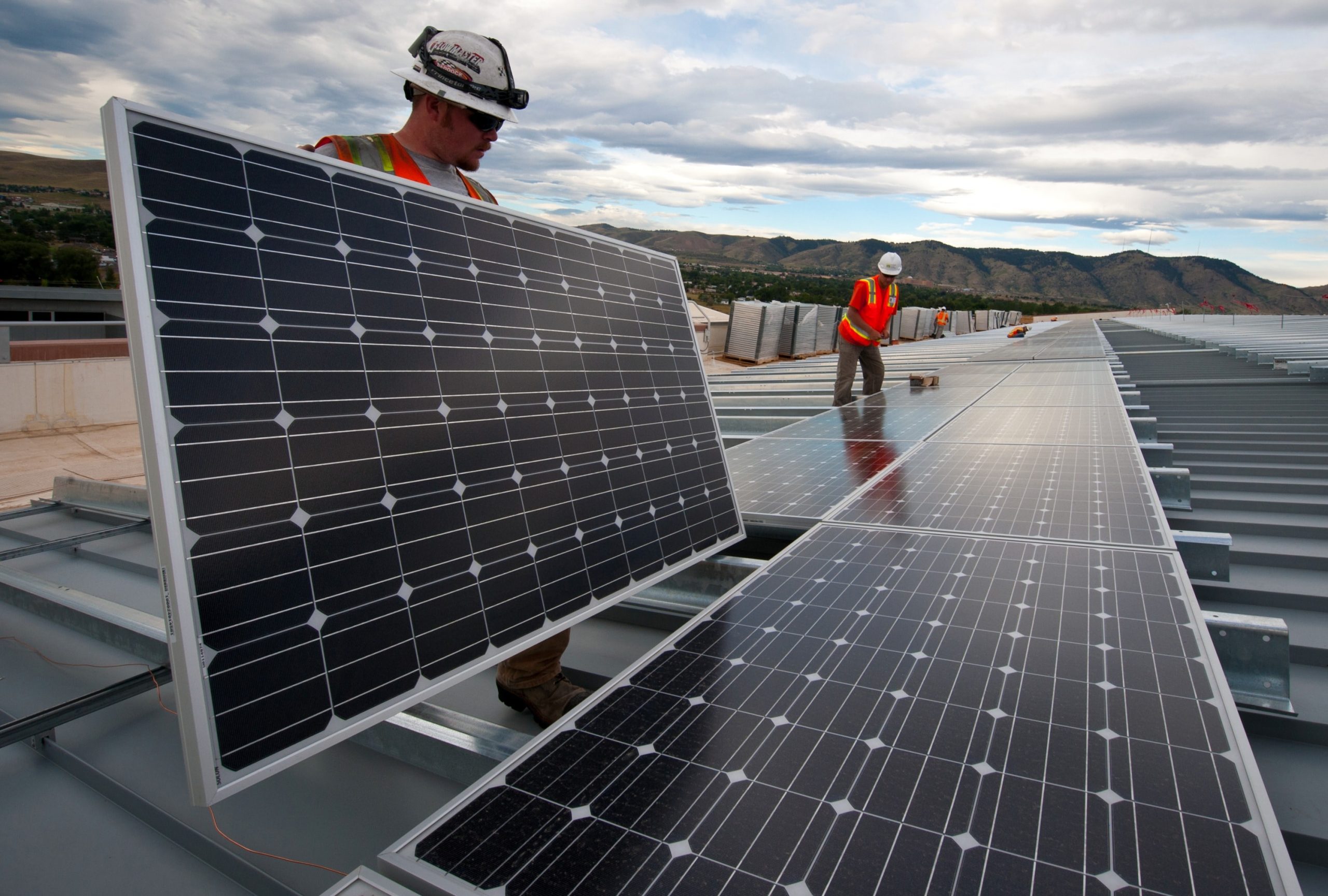
4. Your investment in solar panel sales will boost the clean energy job market, creating new jobs for citizens across the country.
American solar jobs have increased 167% over the past decade, adding 156,000 jobs. In the five-year period between 2014 and 2019, employment in the solar industry increased 44%. That’s five times faster than job growth in the overall U.S. economy. This work is also cleaner and safer than working on fossil fuel extraction sites.
5. Federal incentives are available for residential solar customers.
The longer you put off solar installation, the more money you’ll be spending on utility bills. And we don’t like to see you waste money! That’s why we encourage our customers to take advantage of the Federal Investment Tax Credit (ITC). This program offers a 26% tax credit on the total cost of your system. But this program is being phased out. The credit amount will drop to 22% in 2023 and be completely eradicated for residential solar in 2024.While you don’t have to sign the paperwork today (although we’d be happy if you did!), please be aware projects can take longer than expected as solar companies fill their calendars and word spreads of this expiring incentive. Therefore, if you want in on the ITC before it’s gone, it’s a good idea to move forward with your project sooner rather than later.
So, what now?
Well, as we enter this Golden Age in renewable energy, I urge you to do your own research. For instance, talk with your panel-owning neighbors and investigate your current energy situation – see if solar might be a good choice for you. And if you need any help, give us a call. After all, that’s what we’re here for!