
If it feels like your electric bill has jumped dramatically over the past few years, you’re not imagining it.
According to newly published data from the U.S. Energy Information Administration (EIA), electricity prices have been rising at a much faster pace than most homeowners expected—and the trend shows no sign of slowing. In fact, the most recent three-year data shows average electricity rate increases of roughly 9.8% per year.
So what’s driving these increases? The answer depends on when you look—and while artificial intelligence (AI) is now part of the story, it’s far from the only factor.
Let’s break it down.
The biggest drivers pre-2023 included:
- Natural Gas Price Volatility
- Capacity Market Increases
- Transmission & Distribution (T&D) Investments
- Climate & Clean Energy Policy Costs
- COVID Cost Recovery, Inflation, and Interest Rates

1. Natural Gas Price Volatility
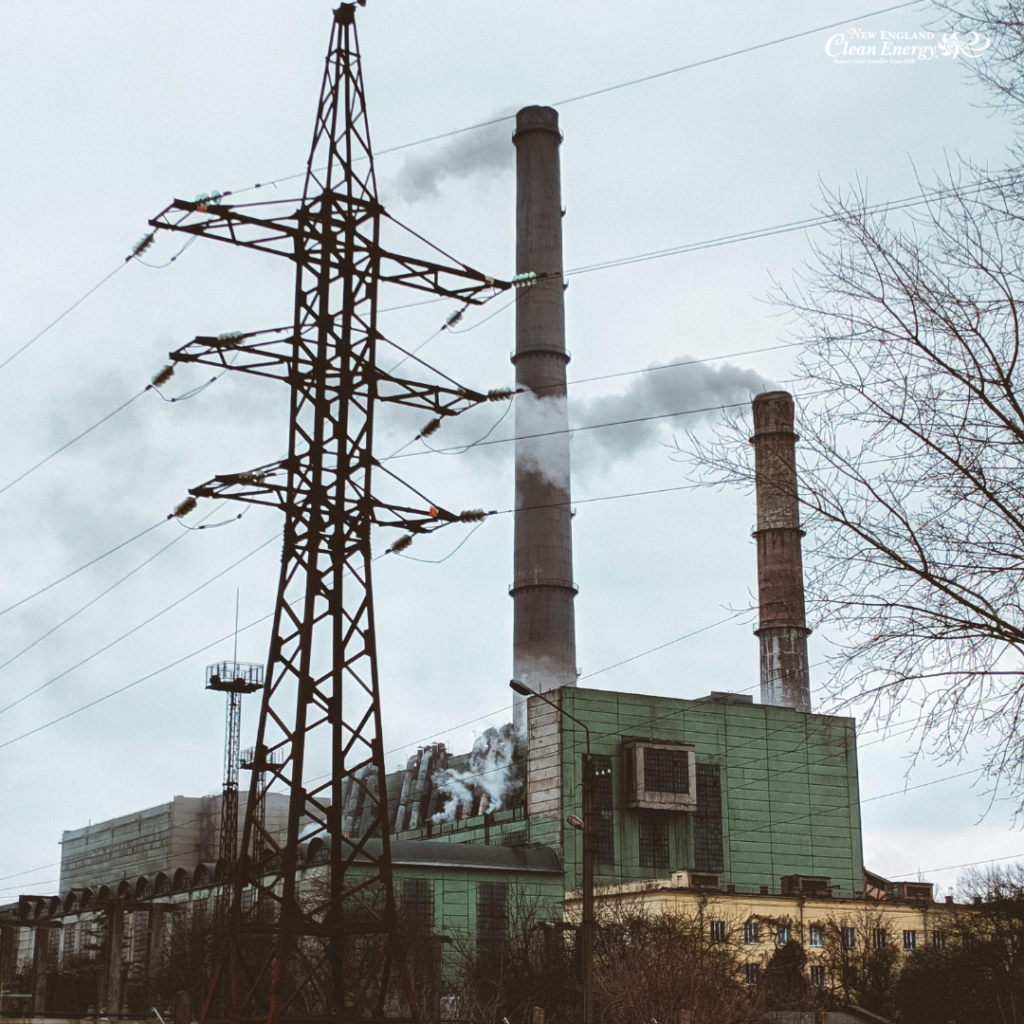
In much of the U.S.—including New England—electricity prices are set by natural gas–fired power plants.
Between 2021 and 2022:
- Natural gas prices spiked due to post-COVID demand, low storage, and global LNG exports
- New England’s pipeline constraints made winter prices especially volatile
- Power plants competed with home heating for limited gas supply
The result? Wholesale electricity prices surged, and retail rates followed with a delay.
2. Capacity Market Increases
Electric bills don’t just pay for energy—you’re also paying for reliability.
As older coal, oil, and nuclear plants retired, grid operators had fewer resources available for peak demand. Capacity markets began pricing in higher risk, which translated into higher capacity charges embedded in retail rates, even if your electricity usage didn’t increase.
3. Transmission & Distribution (T&D) Investments
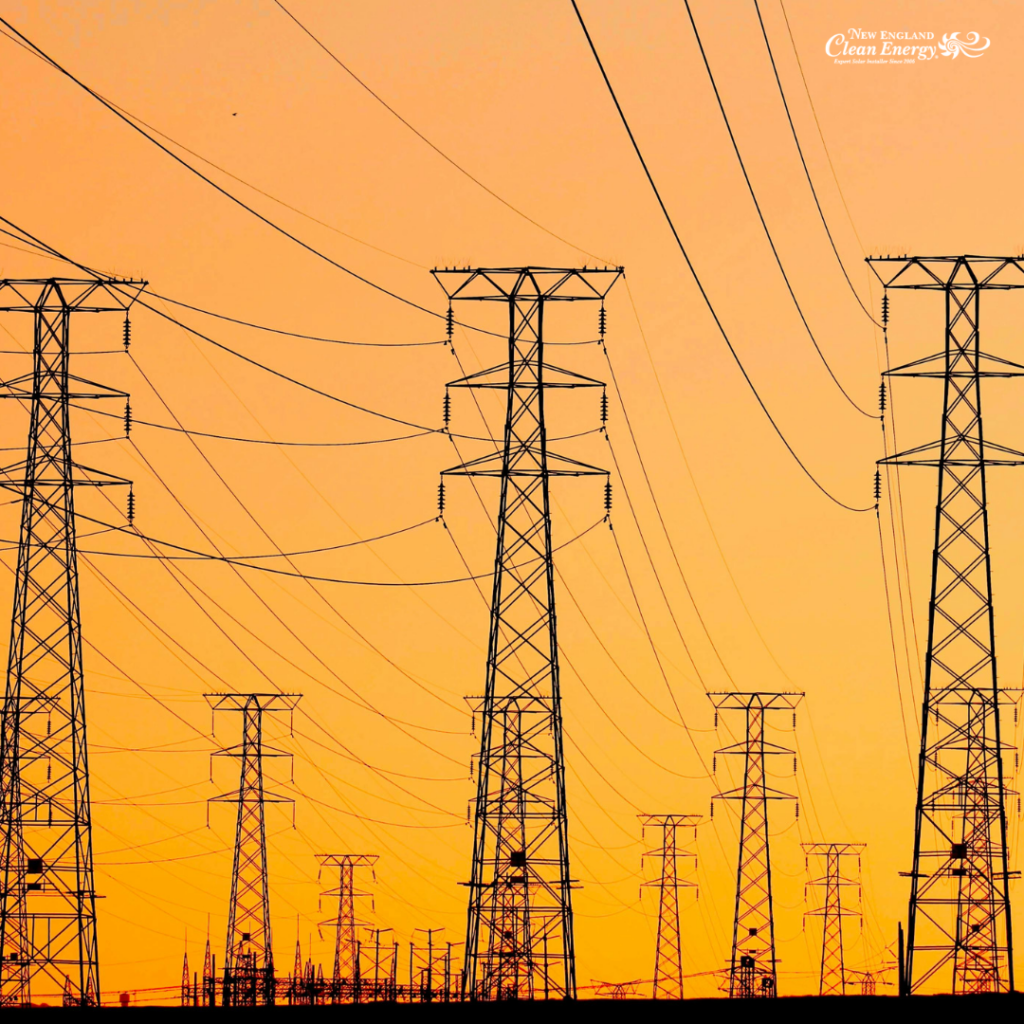
Utilities were already spending heavily to:
- Replace aging infrastructure
- Harden the grid against storms
- Install smart meters and automation
- Upgrade systems to support renewables
Because T&D costs are regulated and recovered over time, once approved they create persistent upward pressure on electric bills.
4. Climate & Clean Energy Policy Costs
Renewable portfolio standards, offshore wind contracts, carbon programs like RGGI, and clean energy credits were already affecting rates by 2021.
These costs tend to be front-loaded—higher early on, with fuel savings and grid benefits accruing later.
5. COVID Cost Recovery, Inflation, and Interest Rates
Utilities deferred costs during the pandemic, then recovered them later through rates. At the same time:
- Labor and materials costs increased
- Interest rates rose, increasing utility financing costs
- Market operators began pricing reliability risk more conservatively
All of this pushed rates higher—before AI entered the picture in a meaningful way.
So When Did AI Start Affecting Electricity Prices?

AI didn’t change electricity prices overnight. Its impact grew gradually as data center demand scaled.
A simplified timeline:
- Pre-2023: Data centers existed, but AI workloads were a small share of demand. Little to no price impact.
- 2023–2024: Data centers consumed roughly 4–5% of U.S. electricity, with AI driving much of the growth. In concentrated regions, grid strain and wholesale price pressure began to appear.
- 2025: Utilities, grid operators, and analysts began linking AI-driven load growth to higher capacity prices, grid upgrade costs, and faster rate increases in data-center-heavy regions.
- 2026 (Today): AI demand is now widely recognized as a meaningful contributor to electricity pricing—especially at the wholesale and capacity market level.
In short: AI didn’t cause the first wave of rate shocks—but it’s amplifying an already expensive system.

Why This Matters for Homeowners
Electricity prices aren’t rising because households are suddenly using dramatically more power. They’re rising because:
- The grid is becoming more complex and expensive to operate
- Fuel price volatility and reliability risk are being priced in
- Large new loads (like AI data centers) are accelerating infrastructure needs
This is why many forecasts—including those used in energy modeling tools—are now being updated to reflect higher long-term electricity price growth.
What Can Homeowners Do?
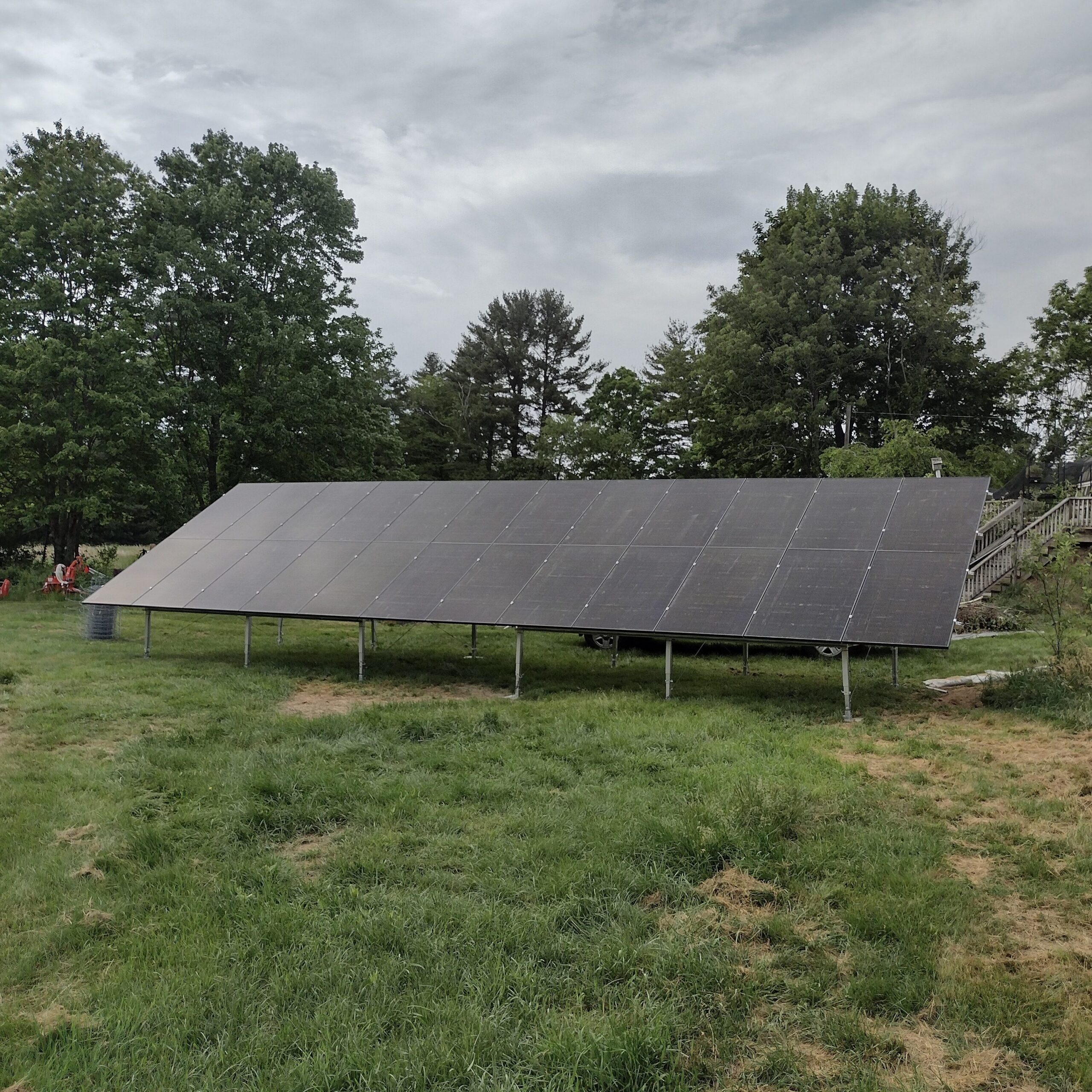
While homeowners can’t control utility pricing, they can control how exposed they are to it.
That’s why more people are looking at:
- Solar to lock in predictable energy costs
- Heat pumps to reduce reliance on fossil fuels
- Efficiency upgrades to lower overall consumption
The goal isn’t just saving money today—it’s reducing exposure to future rate increases.
Planning for a Higher-Cost Energy Future

Electricity rates are rising due to long-term structural changes—not short-term anomalies. AI is now part of that equation, but it’s building on trends that were already well underway.
At New England Clean Energy, we stay on top of these shifts so homeowners can plan with clarity—not surprises. Whether you’re thinking about solar, heat pumps, or both, understanding where energy prices are headed is the first step toward taking control.
Talk with our team to see how your home can be better protected from rising electricity costs. Schedule a free consultation today.
If you liked this article, you may also like:
Why Buy a Heat Pump from a Solar Company?
Answering Common Questions About Propel’s Energy Services Agreement Path to Ownership