
Solar Energy for Businesses in New England: A CFO’s Guide
If you’re a CFO in New England, you’re constantly balancing rising operating costs with the need to position your company for long-term financial strength. One area that deserves a closer look? Solar energy for businesses in New England.
Solar isn’t just about sustainability—it’s a bottom-line decision that can deliver predictable returns, protect your company against volatile energy prices, and strengthen your organization’s ESG profile. Here are seven things every CFO should know about going solar.
1. Solar Offers Predictable Long-Term Energy Savings
Electricity costs from utilities like Eversource, National Grid, and CMP have risen sharply in recent years—and rates aren’t slowing down. By investing in solar energy for businesses in New England, companies can lock in a significant portion of their energy costs for 25+ years. This creates predictability in budgeting while reducing exposure to market volatility.
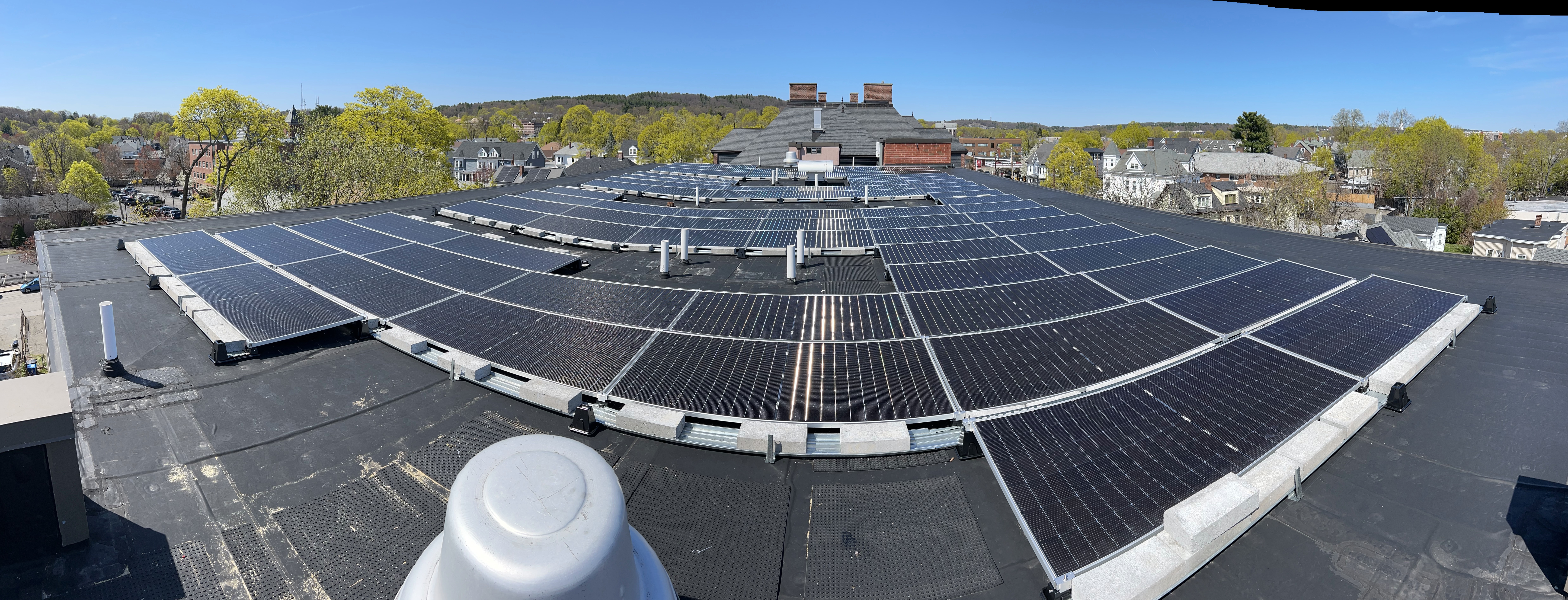
SunWealth Power LLC in Waltham, MA
2. Solar Improves Cash Flow
CFOs know that cash flow flexibility is critical. With financing options like Power Purchase Agreements (PPAs), leases, or direct ownership, businesses can choose a structure that aligns with their financial goals. In many cases, companies start saving on electricity from day one, without a large upfront expenditure.
3. Solar Strengthens ESG and Corporate Responsibility
Investors, customers, and employees increasingly expect action on sustainability. A commercial solar array is a visible, measurable step that supports ESG reporting, helps meet carbon reduction commitments, and strengthens corporate responsibility. For many New England businesses, solar energy is becoming a competitive advantage in the marketplace.
4. Solar Adds Value to Commercial Real Estate
For businesses that own their facilities, solar directly increases property value while lowering long-term operating expenses. Even tenants can benefit—negotiating solar into a lease agreement makes the property more attractive and competitive, especially in high-cost energy markets like New England.
5. Battery Storage Increases Business Resilience
Pairing solar energy for businesses in New England with battery storage ensures critical operations can continue during outages. This added resilience is especially valuable for manufacturers, healthcare facilities, and data-reliant organizations. In today’s climate of grid instability, resilience isn’t just a sustainability perk—it’s a financial strategy.

See how solar + storage works!
6. Solar Is a Low-Risk, High-Return Investment
Unlike many capital projects, solar carries low operational risk. Panels are warrantied for decades, and maintenance costs are minimal. With reliable technology and guaranteed production, CFOs canview solar as a safe, stable investment that consistently delivers long-term ROI.
The Bottom Line for CFOs
For New England businesses, solar is more than a sustainability initiative—it’s a financial strategy. From cost savings and tax advantages to risk management and stronger ESG performance, solar energy offers predictable benefits for decades.
If you’re a CFO looking to:
Reduce operating expenses
Improve ESG reporting and brand value
Protect your company against rising energy costs
…then solar energy for businesses in New England deserves a place on your agenda.
Ready to Explore Solar for Your Business?
Contact us today for a customized solar analysis and see how much your company could save with solar.