
How Many Solar Panels Do I Need?
So: you’ve decided you’re going solar and beginning the first few steps of your project. If you’re like most customers, you’re probably wanting the best panel with the best output efficiency, you’re just not sure what or how many solar panels you’ll need. That’s what we’re here for! And while it seems complex, we’ll do all we can to make it simple. To get you a number, our incredible solar sales consultants will first review your latest electric bill to determine the number of kilowatt-hours of electricity you use each year. Kilowatt-hours are the measure of the electric energy you use to run your home; meaning all of your lights, your refrigerator, air conditioner(s), phone chargers… you name it. They will also take into consideration the direction your roof faces in addition to the square footage of your roof space. From that we’ll have the basics necessary to “size” your system.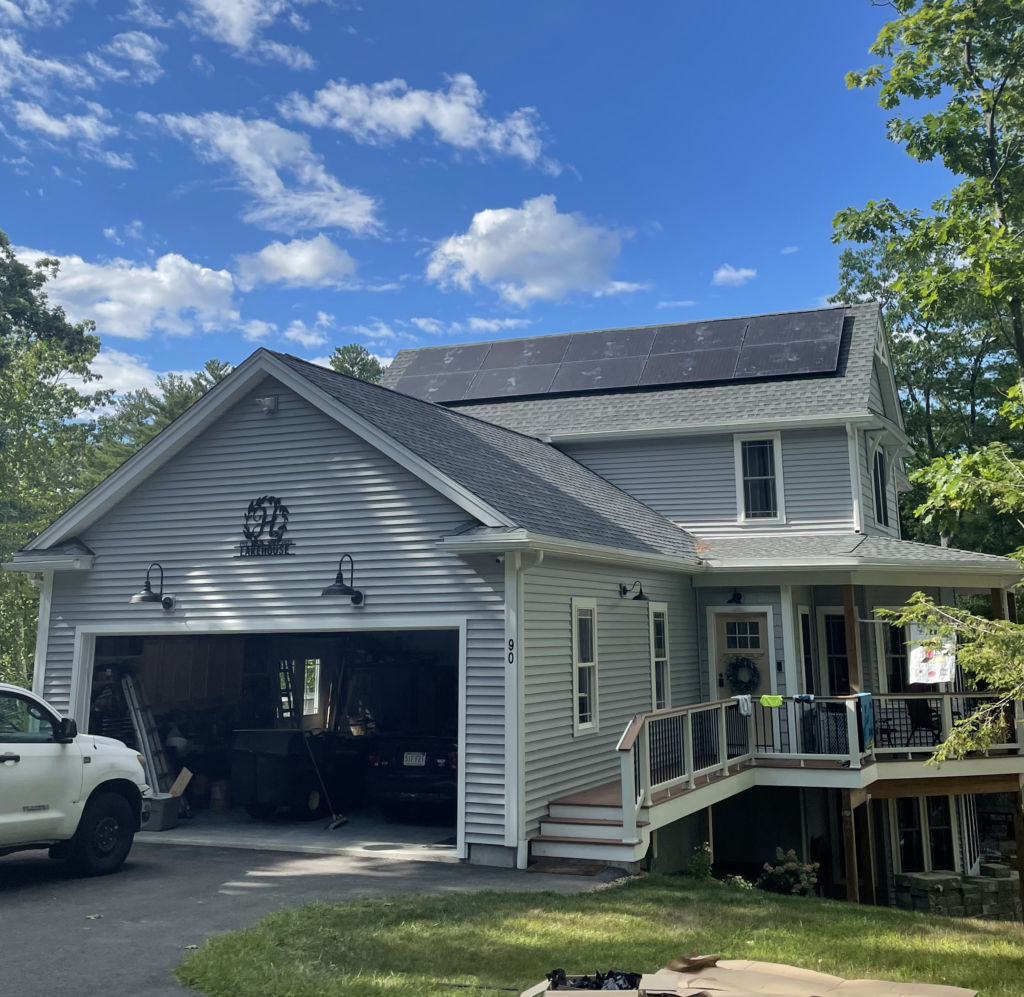
How Many Solar Panels Are Right For Your Home?
Annual Electricity Usage
This is the amount of energy and electricity you use over the span of a year. As I stated earlier, this is measured using kilowatt-hours (kWh). In order to get the exact number, you’ll want to check out your utility bill and find out how much electricity you used over the last 12 months. The more electricity you use the more kilowatt-hours (kWh) you’ll need to cover. The U.S Energy Information Administration (EIA) says that the average American household uses about 10,715 kWh of electricity per year. If you are thinking of adding more things in your home that use electricity (a heat pump, an electric car), then you’ll want to note that as well. But remember, even if you can’t cover 100% of your usage, you can still save big on what electricity load you can cover with solar. Saving money on 50% of your electricity needs is far better than zero.Solar Panel Wattage
Once you know how much energy you need, factor two is a solar panels wattage, which is also known as a solar panels “power rating”. Most solar panels fall in the range of 250-400 watts of power per panel. That power rating can then tell us how much energy, or how many kilowatt-hours (kWh), the panel can produce under “ideal conditions”.Production Ratios
But of course, most homes do not have ideal locations so we have a few more factors to consider. To begin, where your home is located plays into how much energy a given watt of power can produce. If you live here in New England it’s going to be less than if your home was out in Arizona (think latitude and longitude). But more locally, there are issues related to your specific home. For example, does your roof face something other than south? East and West are good, but the energy production you get will be less than it would if it faced South.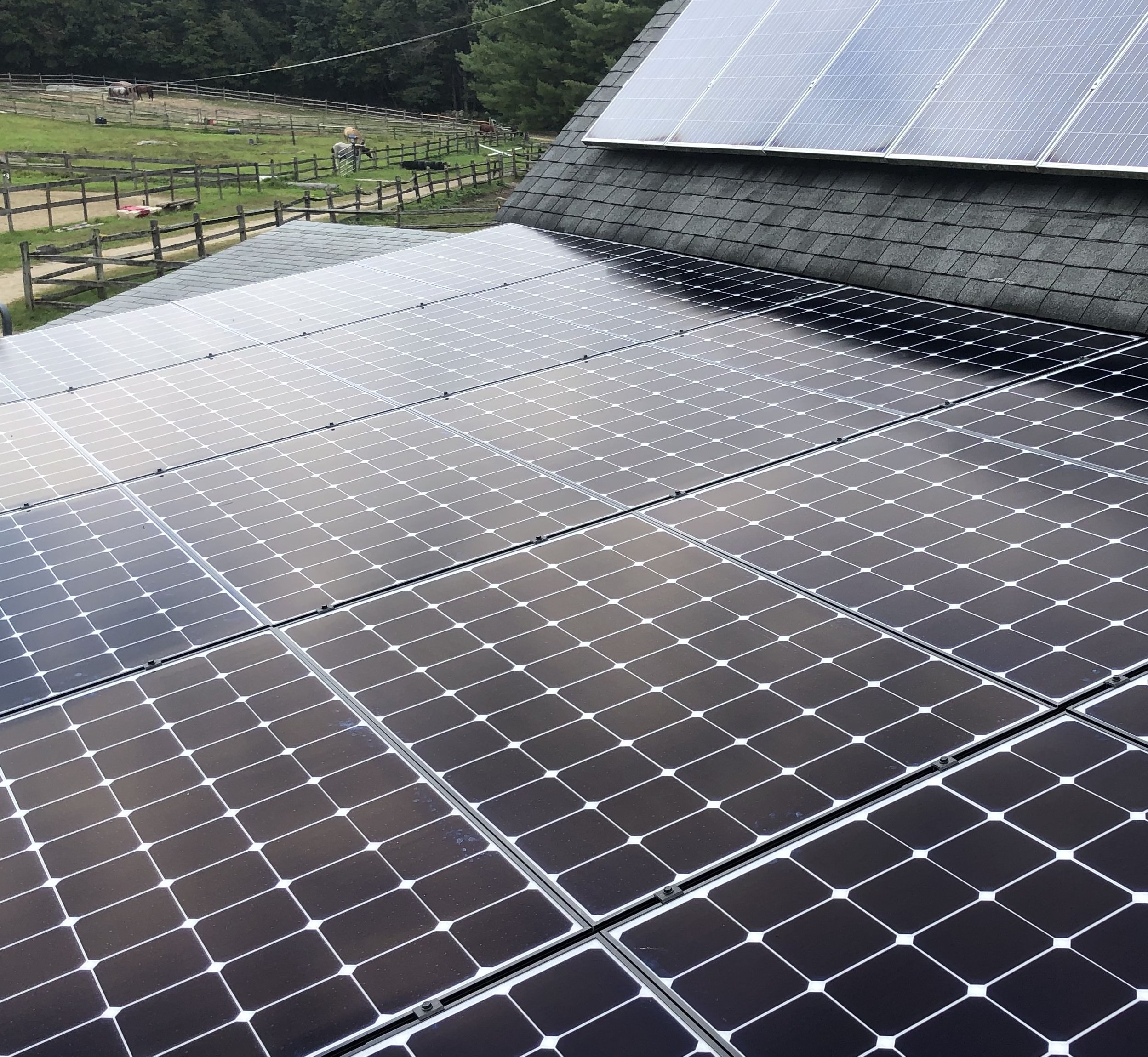 Then what is the pitch or angle of the roof? In the winter the sun is lower in the sky, but even in the summer it doesn’t spend much time straight above so pitch is important. And of course there is shading. Shade can be caused by trees, a chimney, stink pipes, or perhaps another part of your building. A good system can have a number of these “less than ideal” factors, but if you have a lot of them all together it can make for a less than ideal situation. Lastly, there is the simple matter of how many panels will fit in your available space.