
Solar Energy System Expansion and Capacity Upgrades
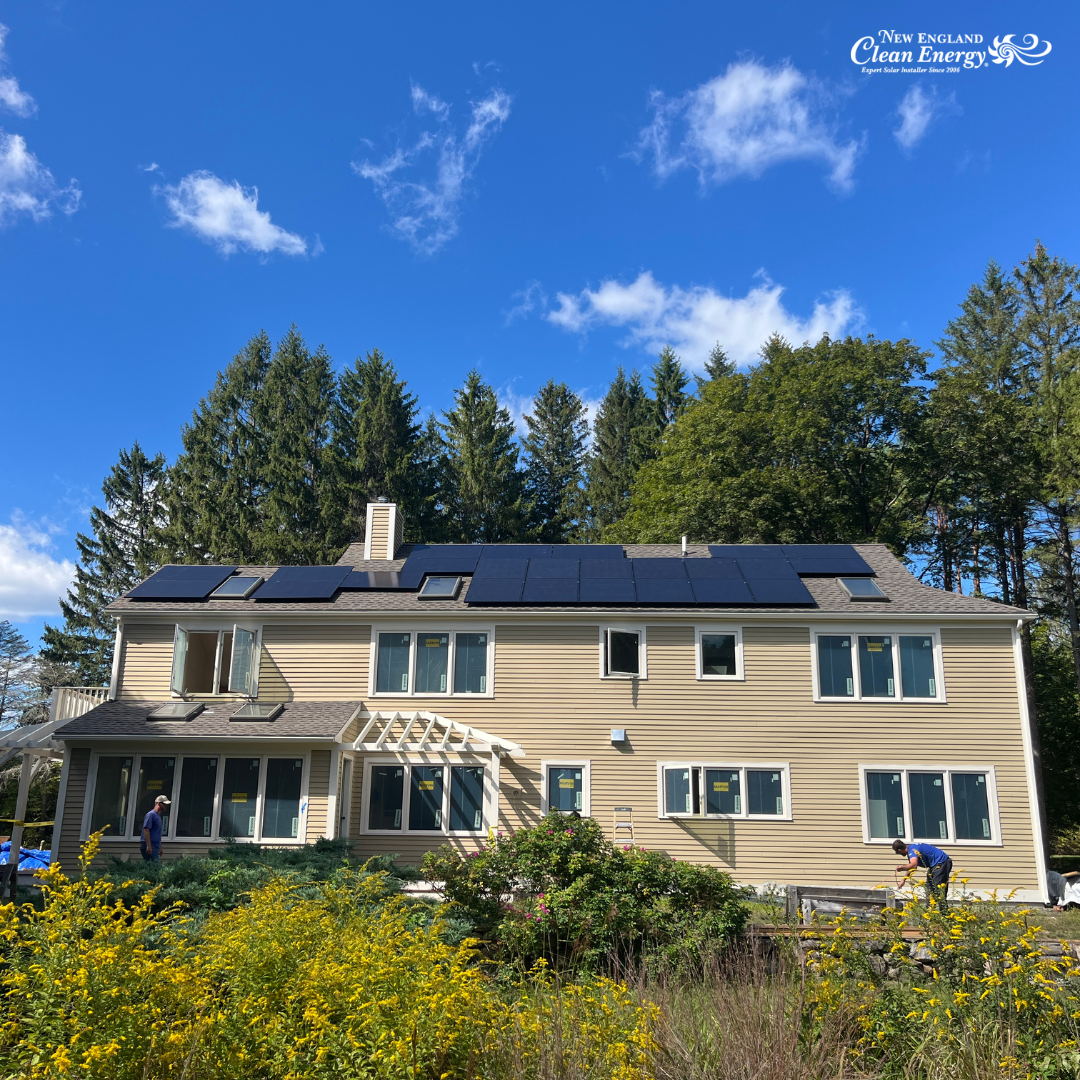
More Energy Needs? More Solar Possibilities.
Your electricity needs can change over time. New England Clean Energy helps homeowners and businesses explore additional solar panels, equipment upgrades, and ways to expand existing solar systems.
Tell us about your existing solar system and the upgrades you’re considering.
Can You Add More Solar Panels to an Existing System?
Yes. Many existing solar installations can be expanded to generate more electricity, provided the property, equipment, and utility requirements allow it.
The solar system that met your needs several years ago may no longer cover as much of your electricity consumption as it once did. Perhaps you’ve purchased an electric vehicle, installed a heat pump, or expanded your home.
Solar system expansion allows you to explore increasing your solar generation without necessarily replacing your existing installation.
At New England Clean Energy, we evaluate existing systems and recommend a practical approach based on your current equipment, future energy needs, available installation space, and applicable utility rules.
Already have solar installed by another company?
You can still request an expansion evaluation. We’ll need to review your existing equipment and installation details to determine which options are feasible.
Four Reasons to Consider Expanding Your Solar System
As your household or business changes, your electricity use may grow along with it.
You’ve Added an Electric Vehicle
Charging an electric vehicle at home can increase annual electricity consumption. Additional solar capacity may help offset some of that demand.
You’ve Installed a Heat Pump
Switching some heating or cooling needs to electricity can change your utility usage. Expanding solar may help support your electrification goals.
Your Home or Business Has Expanded
Home additions, outbuildings, extra living space, or new equipment can increase your total energy needs.
Your Energy Goals Have Changed
Whether your household uses more electricity or you want to offset a greater portion of your usage, additional solar may be worth exploring.
Is Your Existing Solar System Expandable?
Adding panels isn’t always as simple as connecting them to the equipment you already own.
Available Installation Space
Roof area, shading, orientation, structural suitability, and space for a ground-mounted installation can affect expansion possibilities.
Inverter Compatibility
Your existing inverter or microinverter configuration determines whether added panels can integrate with current equipment or require a separate system design.
Electricity Consumption
Current electricity bills and anticipated changes in usage help determine whether additional solar production is appropriate.
Interconnection and Net Metering
Utility approval, system-size limits, metering arrangements, and incentive rules can influence the feasibility and economics of an expansion.
Panel and Service Capacity
Electrical infrastructure and available capacity may affect how new solar equipment can be connected.
Equipment Age and Condition
Older panels, unsupported inverters, and other equipment limitations may influence whether an expansion or separate new installation makes more sense.
Existing net-metering or incentive arrangements should be reviewed before changing system capacity. Eligibility and utility treatment vary by location and project.
Ways to Increase Your Solar Capacity
The most practical expansion approach depends on the age and configuration of your existing system.
What about battery storage?
Batteries can store electricity for later use, but they do not increase the amount of electricity your solar panels generate. If storage or backup power is your goal, explore our battery storage upgrades instead.
How Solar System Expansion Works
Our goal is to understand what you already have before planning what to add.
Review Your Existing System
We begin with information about your current panels, inverter equipment, installation age, and electricity usage. This helps establish what equipment is already in place.
Evaluate Expansion Feasibility
Site conditions, electrical capacity, roof or ground space, equipment compatibility, and utility requirements are considered to determine which expansion options are practical.
Develop a Custom Proposal
A proposed project should outline the additional equipment, estimated energy production, installation costs, and any utility or permitting considerations.
Complete the Approved Work
Once the scope and necessary approvals are in place, the new equipment can be installed, connected, and checked according to the project requirements.
These are general project stages. Exact scheduling, approvals, utility procedures, and installation responsibilities depend on the approved scope.
How Much Does Solar System Expansion Cost?
The cost of expanding an existing solar system depends on the number of panels being added, equipment compatibility, available mounting space, installation complexity, and electrical work.
Some projects may require additional components or utility approval before new capacity can be installed.
Important financial factors include:
- Equipment and installation costs
- Expected additional electricity production
- Current and future electricity consumption
- Utility rates and net-metering rules
- Applicable incentives and financing terms
New England Clean Energy can review your project and discuss a proposal based on the equipment and installation your property requires.
Request a Solar Expansion QuoteAdding panels does not guarantee lower electricity bills or a specific return on investment. Financial outcomes depend on production, usage, costs, and utility rules.
Solar Support That Continues Over Time
Stephen Lewin-Berlin shared positive feedback about New England Clean Energy’s responsiveness and professionalism while helping with a system expansion proposal nearly a decade after his original solar installation.
— Stephen Lewin-Berlin, customer review
Solar Solutions That Grow With Your Needs
New England Clean Energy has helped homeowners and businesses explore solar energy since 2006. Our team understands that energy needs can evolve long after a system’s initial installation.
Personalized System Planning
We review your current solar system and changing electricity needs before discussing suitable expansion options.
Existing Equipment Review
Equipment compatibility matters when integrating new panels, inverters, or electrical components with an older installation.
Professional Installation
New work is planned around applicable equipment, electrical, and installation requirements.
Local Support
Our New England-based team can discuss solar service, expansion planning, and potential system upgrades.
Solar System Expansion Across New England
New England Clean Energy reviews solar expansion projects within its service territory. Availability depends on the system, property location, and project scope.
Service scheduling
Solar service work is performed during normal weekday business hours. Evening, overnight, and weekend service is not available.
Solar System Expansion FAQs
Can I add more solar panels to my existing system?
Often, yes. The feasibility of adding panels depends on available installation space, equipment compatibility, electrical capacity, and utility requirements.
Do additional solar panels need to match my existing panels?
Not necessarily, but electrical compatibility matters. Different modules have different electrical characteristics, dimensions, and performance ratings. Your expansion must be designed accordingly.
Will I need a new solar inverter?
Possibly. Some existing inverter configurations can accommodate additional capacity, while others require new or separate inverter equipment. A system review is necessary.
Can New England Clean Energy expand a solar system installed by another company?
New England Clean Energy can evaluate expansion requests for systems originally installed by other companies. Feasibility depends on equipment, site conditions, and project requirements.
Can I expand my solar system after installing an electric vehicle charger or heat pump?
Yes, an increase in electricity use is a common reason to explore solar expansion. The proposed system should be evaluated against your expected energy demand.
Will expanding my system affect net metering?
It may. Changing your solar capacity can affect utility approvals, interconnection requirements, and net-metering treatment. Existing arrangements should be reviewed before proceeding.
Do I need a permit to add solar panels?
Additional solar equipment may require permits, inspections, utility approval, or updates to existing electrical documentation. Requirements vary by jurisdiction and project.
Is it better to add more panels or install a solar battery?
These upgrades serve different needs. Additional panels can increase electricity generation, while batteries store energy for later use and may provide backup power when properly configured. Some projects may benefit from both.
How much does it cost to expand an existing solar installation?
The cost depends on the number of new panels, installation access, inverter compatibility, electrical requirements, and necessary approvals. A project-specific proposal is the best way to estimate the cost.
More Solar Service Options
Your Energy Needs Have Grown. Let’s Explore Your Options.
Whether you’ve added an electric vehicle, installed a heat pump, expanded your home, or simply need more solar production, New England Clean Energy can review your existing system and discuss expansion options.
Request a Solar Expansion QuotePrefer to call? 978-567-6527 | Email Our Service Team