Trying to find a solar company “near me” can unfortunately be a bit too much like buying a car. By which I mean while it can seem that picking the best item for you can seem very simple (leather or upholstery?), it actually can become very complex (what’s the difference between all-wheel drive and four-wheel drive anyway?). And in fact, solar is perhaps harder because unlike cars, it is not generally well understood.

Well, in a lot of cases people will read everything they can and hopefully that brings a lot of them to this blog; The Energy Miser. But solar is also a custom built system, designed and installed to your very specific and unique needs and because of that it generally requires not only expertise but a detailed understanding of your exact situation; how much energy you use, how your house is constructed, what your financial objectives are, to name just the basics. What you need is something more like an expert solar general contractor than a lot of reading material from your google search “Find a solar company near me” (that helps, but only to some degree).
Let’s just take one example – solar panel production. A solar panel has a watts rating. Think of it as how much power a given panel could produce under the right conditions. But what you use in your home or electric car is typically measured in Kilowatt HOURS (kW hours). So while one panel might be rated at say 325 watts and another at 360 watts, what really matters to you and your pocketbook is how many kW hours you will get. And how well your panels will convert sunlight to kW hours is largely dictated by three things: which direction they face (North, South, East, or West), what angle they are tilted at (flat, 20 degrees, 46 degrees, etc.), and then the last and hardest variable to measure, shading.
So where does one aspect of expertise come in? Well we regularly see competitive solar quotes that appear to assume perfect shading conditions and sometimes even perfect directional and tilt parameters that simply do not exist at that property. If your roof faces West it is never going to face South. And while that is rather obvious (and luckily a rather rare error), we often see companies that have truly messed up on their shade readings. And truth be known, a miss by a relatively small amount can have a big impact on your overall lifetime production and thus the return on investment you will receive.
So how do other installers get this wrong? Well, there could be multiple reasons, but it is often an over dependence on the latest satellite imagery. Someone back at the company’s office has drawn up a model and produced a solar estimate (there are now a number of software tools for doing this). They give this to a sales person who shows you the resulting proposal. But what if a less than perfect imagery set – or an operator mistake – makes that production estimate wrong? Will the sales person pick this up and make adjustments when they visit?
Well here at New England Clean Energy we teach our Solar Consultants how to do those corrections. In short, we live by the “measure twice, cut once” approach to proposals. Yes, we do estimates by satellite before coming out to meet you, but our Solar Consultants also fully understand the model and can adjust it. And more to the point, they take Suneye readings. A Suneye is a fancy piece of equipment that looks at the sun in the same way the panels would and tells us exactly what kind of production you can expect. The result is you get an estimate (and proposal) that is more accurate and thus far less subject to change. This is construction so change is sometimes unavoidable, but everyone would prefer that their first estimate – and signed agreement – be as good as it can be at that point in time. Nobody likes change orders.
So when you are considering going solar or thinking about how to get expert advice on going solar, be sure to ask an expert instead of just googling “Solar Company Near Me”. Our team is here to help.
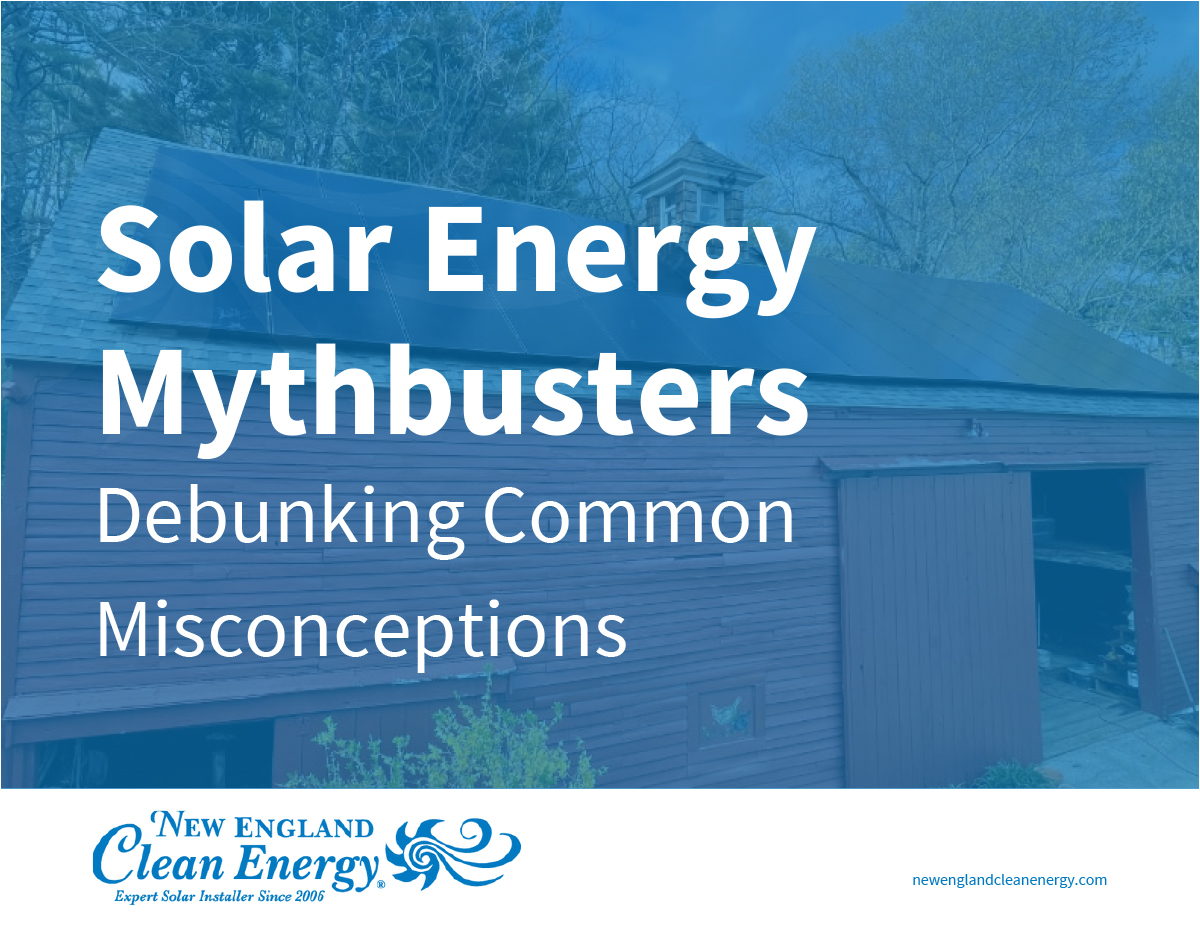
Solar Energy MythBusters: Debunking Common Misconceptions
In this e-book, we will delve into and debunk some of the most common myths and misconceptions surrounding solar energy. As our global society shifts towards cleaner, more sustainable energy solutions, the importance of understanding the true potential of solar power has never been greater. Unfortunately, misinformation and outdated beliefs continue to cloud the conversation around solar energy, leading to confusion and hesitation among those considering making the switch. Whether it’s doubts about its efficiency, affordability, or environmental impact, many are still unaware of the vast benefits solar energy can offer. In the pages ahead, we will separate fact from fiction, helping you navigate through the noise and better understand the reality of solar power. Join us on this enlightening journey as we uncover the truth behind the most prevalent solar myths and set the record straight for a brighter, more sustainable future.