
For churches, synagogues, mosques, temples, and other houses of worship, managing operating expenses while serving the community is an ongoing balancing act. Every dollar spent on electricity is a dollar that could otherwise support programs, outreach, building improvements, or other important priorities.
As energy costs continue to affect operating budgets, more religious organizations are exploring solar energy as a way to reduce long-term expenses and make better use of their properties.
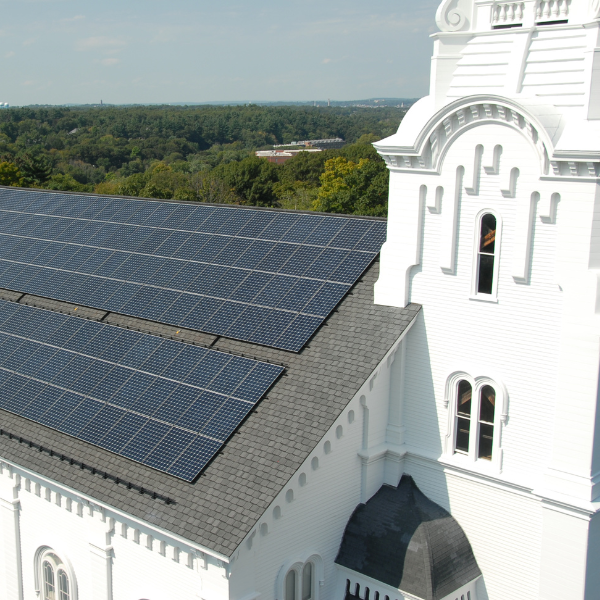
But is solar right for every house of worship?
The answer depends on several factors, including your building’s energy usage, roof condition, available space, and financial goals. With the right planning, however, solar energy can offer meaningful financial and environmental benefits for faith communities throughout New England.
The Financial Opportunity
Lower Electricity Costs and Redirect Savings Toward Your Mission
One of the biggest reasons houses of worship consider solar energy is the opportunity to reduce electricity expenses.
Unlike many businesses, religious organizations often operate with limited budgets supported by donations, fundraising, and community contributions. Rising utility bills can place additional pressure on those resources.
Solar panels allow a building to generate some or potentially most of the electricity it needs, reducing the amount purchased from the utility company.
Depending on the size of the solar installation, the property’s electricity consumption, and local utility policies, the savings can be substantial.
For houses of worship, those savings could help support:
- Community outreach and charitable programs
- Building maintenance and repairs
- Educational and youth programs
- Food pantries and other assistance initiatives
- Long-term financial stability
70%–100%
According to Massachusetts Interfaith Power & Light (MassIPL), Massachusetts congregations that own their solar systems outright can often reduce their electricity bills by this amount, depending on their circumstances.
Of course, individual results vary, and a professional solar evaluation is necessary to determine the potential savings for a particular property.
Property Potential
Make Better Use of Your Building’s Available Space
Many houses of worship have features that make them promising candidates for solar energy.
Large roof areas, adjacent community buildings, and available land can provide opportunities to install solar panels without significantly changing how a property is used.
Potential installation locations include:
- Main building rooftops: Suitable for properties with adequate roof space, structural capacity, and sunlight exposure.
- Fellowship halls and education buildings: Additional structures may offer favorable roof conditions.
- Ground-mounted solar systems: Properties with available land may be able to install panels away from the main building.
- Parking areas: Depending on the project, solar canopies may provide electricity generation while offering covered parking.
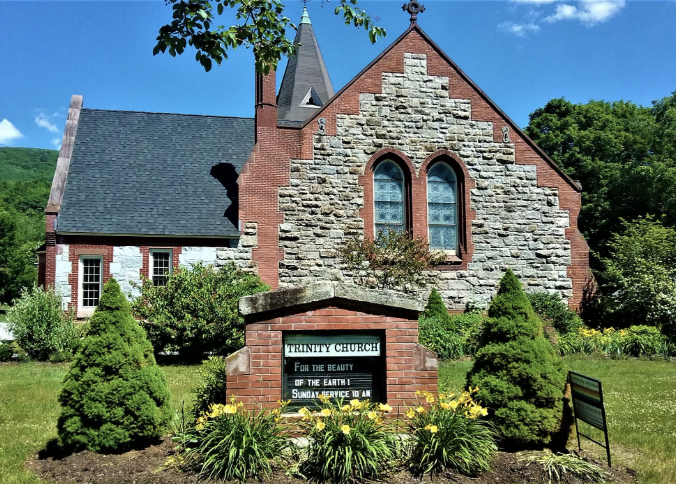
However, not every roof or property is suitable for solar.
Older buildings may require additional structural evaluations, and historic properties can have special design or permitting considerations. Roof orientation, shading from trees, and the condition of existing roofing materials also influence a project’s feasibility.
A professional site assessment can help determine which installation approach makes the most sense.
Incentives & Financing
Federal Solar Incentives May Help Reduce Project Costs
One of the common questions religious organizations have about solar energy is whether they can benefit from federal incentives despite their tax-exempt status.
In certain circumstances, the answer is yes.
Under the federal elective pay program, also called direct pay, eligible tax-exempt organizations may be able to receive the value of qualifying clean energy tax credits as a payment from the IRS.
This means an eligible house of worship may benefit from qualifying solar incentives even though it does not typically owe federal income taxes.
The IRS explains how elective pay works for tax-exempt organizations, including required registration and tax filing procedures.
Certain eligible projects may qualify for incentives covering 30% of eligible costs, with additional amounts potentially available when specific requirements are met.
Why Timing Matters
December 31, 2027
Under current federal rules, eligibility for solar projects is subject to significant deadlines. As explained by MassIPL in its September 2026 solar webinar, qualifying projects generally need to be connected to the grid by this date to take advantage of the opportunity discussed in the presentation.
Because federal incentive requirements are complex and can change, houses of worship should discuss eligibility, project timing, and required documentation with qualified tax professionals and solar experts before making financial decisions.
A Lasting Environmental Impact
Demonstrate Environmental Stewardship Through Action
For many faith communities, the motivation to install solar extends beyond financial savings.
Environmental stewardship, conservation, and care for future generations are important values shared by religious organizations across many traditions.
Installing solar panels provides a tangible way to put those values into action.
By producing renewable electricity, houses of worship can reduce their reliance on grid-supplied energy and support efforts to lower greenhouse gas emissions.
Solar installations can also create opportunities for community engagement.
Congregations may choose to share information about their systems, involve young people in sustainability education, or use their projects to encourage broader conversations about responsible energy use.
For organizations already committed to environmental initiatives, solar can become a visible and lasting part of those efforts.
Thinking Long-Term
Support More Predictable Long-Term Operating Costs
While the upfront investment is an important consideration, solar energy should also be evaluated as a long-term financial decision.
Houses of worship often occupy their buildings for decades, making them particularly well-positioned to consider improvements that provide value over an extended period.
A properly designed solar system can produce electricity for 25 years or longer, although equipment maintenance and eventual component replacement should be included in financial planning.
By generating a portion of their own electricity, organizations can reduce their exposure to future utility price increases.
The potential financial benefits depend on factors such as system ownership, financing arrangements, electricity rates, available incentives, and ongoing operating costs.
For congregations planning to remain in their facilities long-term, solar energy may be worth considering alongside other building improvements and energy-efficiency upgrades.
The Planning Process
Understand What Goes Into Planning a Solar Project
Installing solar on a house of worship involves more than choosing equipment and scheduling an installation.
Religious organizations often have multiple stakeholders involved in decisions, including trustees, finance committees, facilities teams, and congregational leadership.
Starting the planning process early can help ensure that everyone has the information needed to make a confident decision.
An initial solar evaluation typically considers:
- Electricity usage: Reviewing utility bills to understand current consumption and estimate potential savings.
- Roof and property conditions: Identifying suitable installation areas, structural considerations, and shading.
- Project costs and financing: Evaluating installation expenses, available incentives, and funding options.
- Building requirements: Considering historic preservation guidelines, permits, utility interconnection, and other approvals.
- Project timing: Allowing time for design, decision-making, permitting, installation, and utility approval.
For organizations interested in federal incentives, understanding the project schedule is particularly important.
Even a relatively straightforward commercial solar installation can take several months from initial planning to completion.
Beginning with an evaluation gives your organization a clearer picture of what is possible before committing to a project.
Working Together for Faith Communities
Get Support Through Our Partnership With Massachusetts Interfaith Power & Light


New England Clean Energy is proud to partner with Massachusetts Interfaith Power & Light (MassIPL), a nonprofit organization that helps faith communities take practical steps toward improving energy efficiency, reducing environmental impact, and adopting renewable energy.
MassIPL has already helped more than 70 houses of worship across Massachusetts install solar energy systems, providing education and guidance throughout the process.
Through this partnership, New England Clean Energy brings its solar design and installation experience to organizations exploring their clean energy options.
In September 2026, our Commercial Solar Design Consultant, David Kleinschmidt, participated in MassIPL’s educational webinar, Solar for Your Congregation.
The presentation explored federal direct pay incentives, solar project planning, financing considerations, and realistic installation timelines.
Faith communities interested in learning more can watch the recorded presentation to better understand the opportunities and challenges associated with installing solar.
Free Educational Resource
Watch Solar for Your Congregation
Explore federal incentives, project planning, financing considerations, and the steps involved in bringing solar energy to your faith community.
WATCH THE WEBINAR RECORDING →Taking the Next Step
Is Solar Right for Your House of Worship?
Solar energy can offer houses of worship an opportunity to lower operating expenses, support environmental stewardship, and invest more of their resources into the communities they serve.
However, every property and organization is different.
The best way to determine whether solar makes financial and practical sense is to begin with a professional evaluation of your building, electricity usage, and available installation options.
At New England Clean Energy, we’ve spent more than 20 years helping homeowners and organizations throughout New England explore renewable energy solutions.
Through our partnership with MassIPL, we’re excited to help more faith communities understand their solar opportunities and take the next step toward a more sustainable future.
Let’s Talk About Your Property
Ready to Explore Solar for Your House of Worship?
Our team can help you understand your property’s solar potential, explore installation options, and take the next step toward a more sustainable future.
CALL 877-886-8867 →If you liked this article, you may also like:
New England Clean Energy Announces Leadership Transition After 20 Years
Heat Pump vs Oil Heating Cost in New England: Which Saves More?