
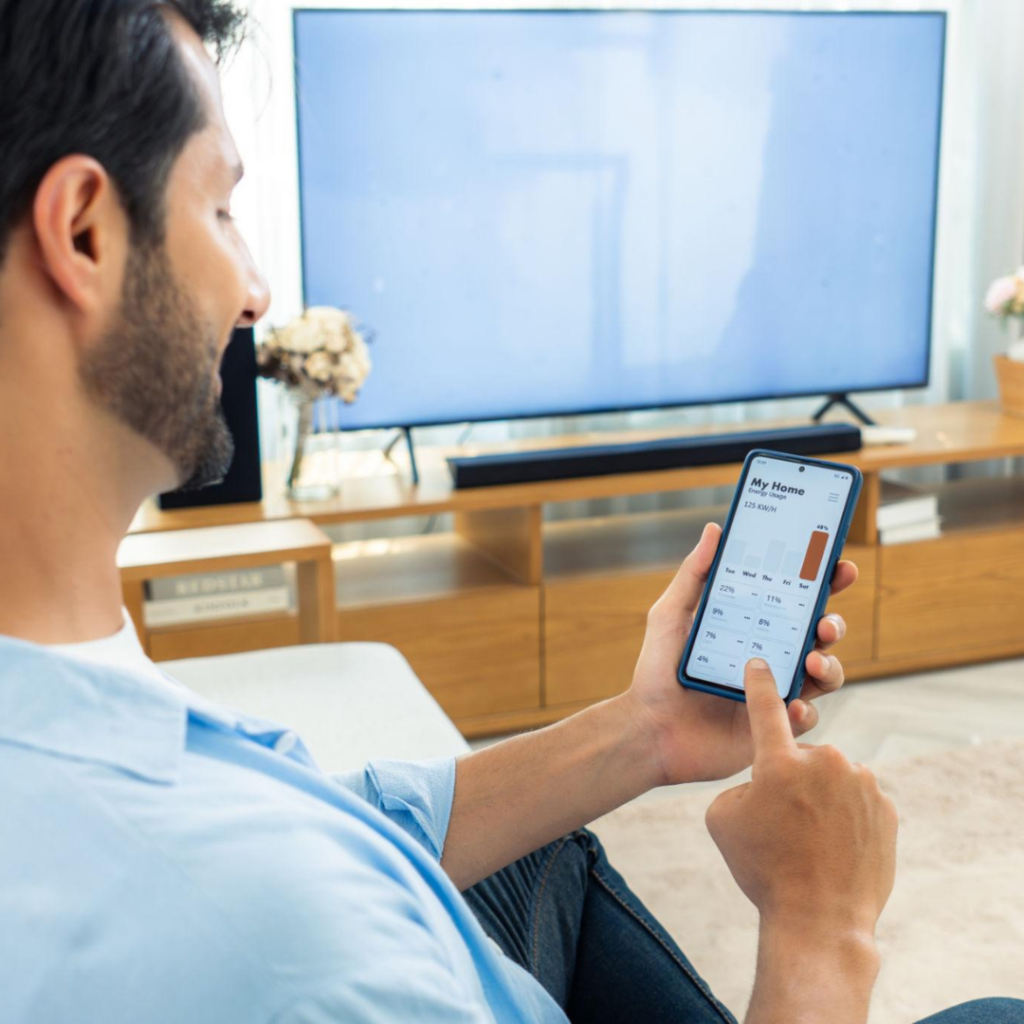
If you’ve been researching solar lately, you’ve probably seen companies advertise “24/7 solar monitoring” as a major selling point.
At first glance, it sounds reassuring—as if someone is actively watching your solar system every minute of every day to make sure everything is working perfectly.
But what does 24/7 solar monitoring actually mean?
The reality is a little different than many homeowners assume.
What Does “24/7 Solar Monitoring” Mean?
The phrase “24/7 monitoring” is commonly used throughout the solar industry, but it can create unrealistic expectations.
Many homeowners imagine a dedicated team constantly watching their solar system and immediately responding if something goes wrong.
In reality, most modern solar monitoring is powered by software—not by someone personally observing your system around the clock.
Understanding how solar monitoring actually works can help you make a more informed decision when choosing a solar installer.
Most Modern Solar Systems Already Include Monitoring
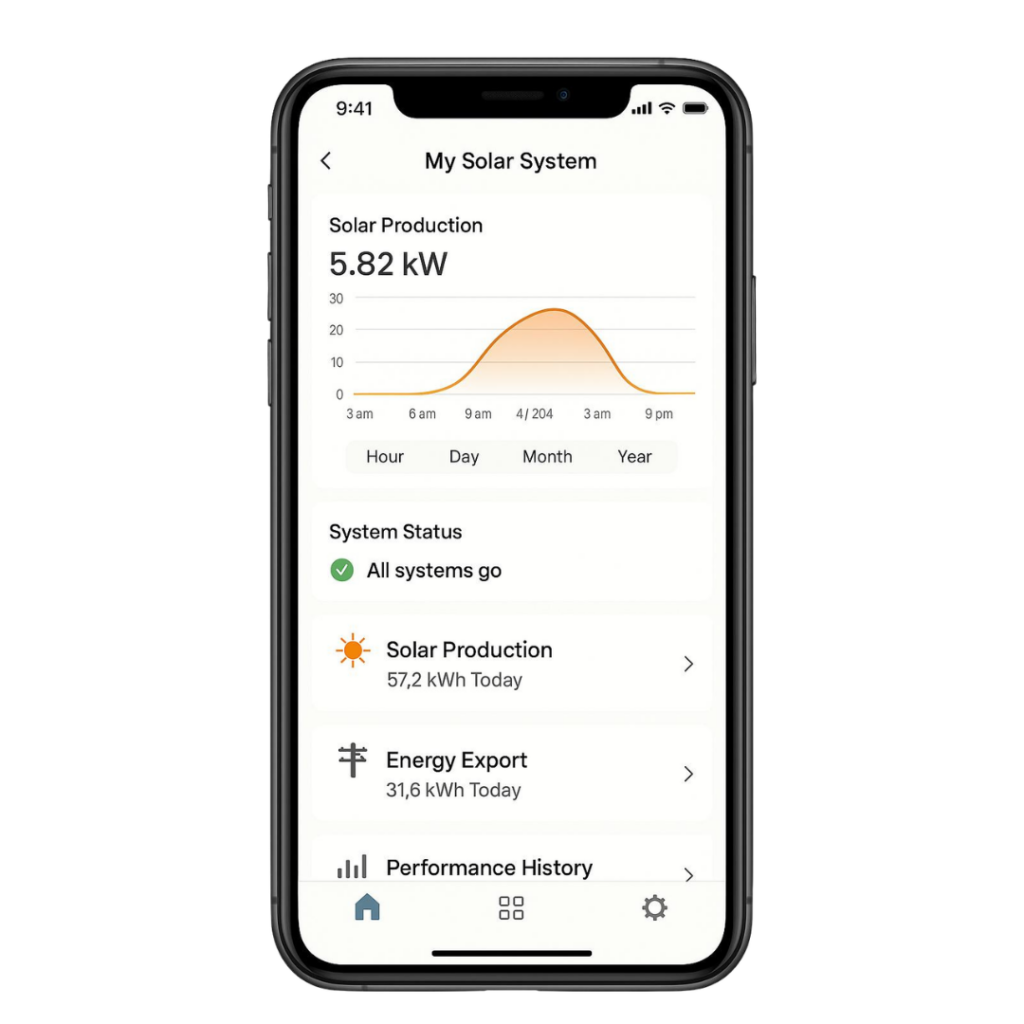
Today, nearly every major solar inverter and battery manufacturer includes monitoring software as a standard feature.
Depending on your equipment, you’ll typically be able to:
- View real-time solar production
- Track battery performance
- Monitor home energy usage
- Review historical production data
- Receive notifications if the system reports an issue
Many homeowners can access all of this information through a mobile app, making it easy to see how their solar system is performing from anywhere.
Monitoring has become a standard feature of modern solar systems—not necessarily a premium service unique to one installer.
Is Someone Actually Watching Your Solar System?
Usually, no.
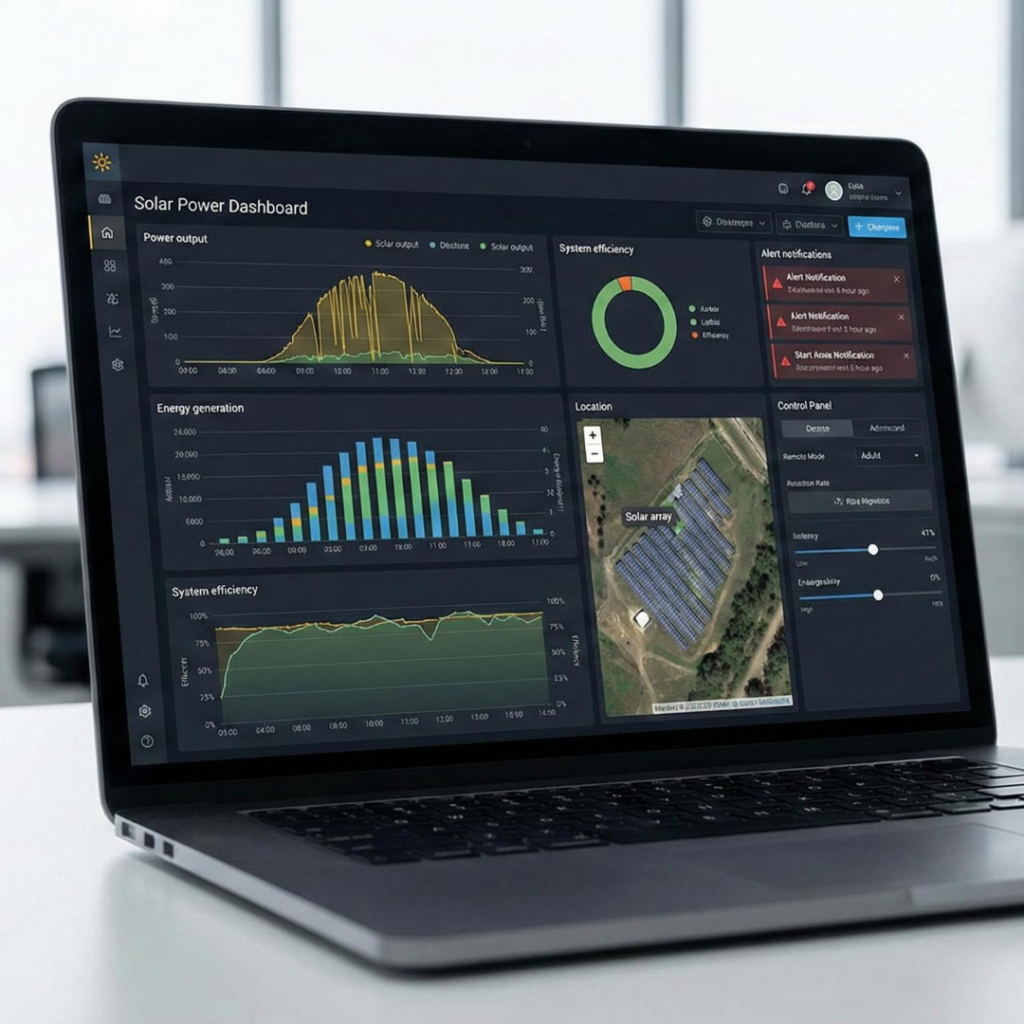
When companies advertise 24/7 solar monitoring, the monitoring is almost always performed by automated software.
The monitoring platform continuously collects production data from your inverter or battery system. If production unexpectedly drops or the equipment reports an error, the software can generate an alert.
That doesn’t necessarily mean someone is actively reviewing your system every minute of every day.
It’s also worth remembering that solar panels only produce electricity during daylight hours, so the phrase “24/7 monitoring” can sometimes be more of a marketing phrase than a literal description of how monitoring works.
What Solar Monitoring Can—and Can’t—Do
Monitoring is incredibly useful—but it’s important to understand its limitations.
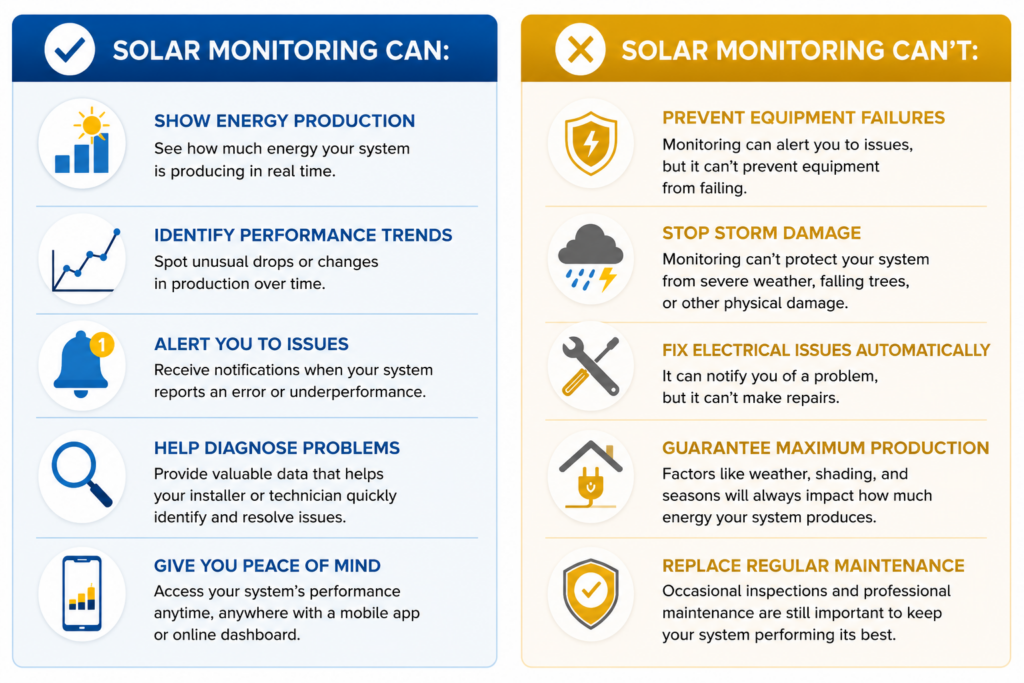
Solar monitoring can:
- Show how much energy your system is producing
- Identify unusual performance trends
- Alert you when equipment reports an issue
- Help diagnose problems more quickly
Solar monitoring can’t:
- Prevent equipment failures
- Stop storm damage
- Fix electrical issues automatically
- Guarantee maximum production every day
Think of it like the dashboard in your car. It can alert you that something needs attention—but it doesn’t prevent the problem from happening in the first place.
Why Installation Quality Matters More Than Monitoring
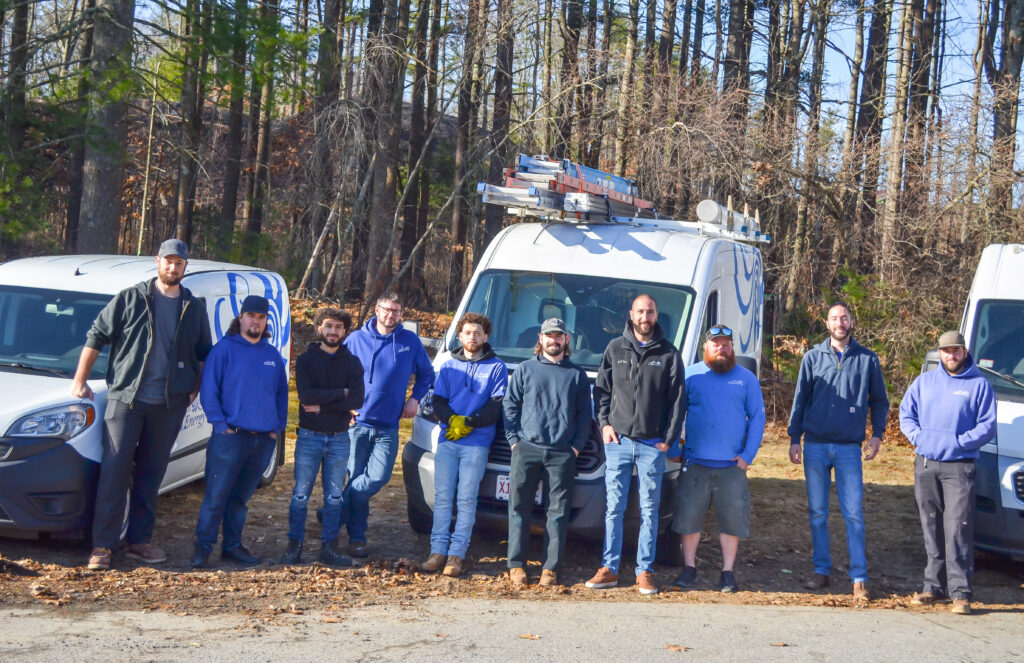
Long-term solar performance depends far more on how the system is designed and installed than on whether the marketing brochure promises “24/7 monitoring.”
Some of the biggest factors include:
- Proper system design
- Quality installation workmanship
- Reliable equipment
- Correct electrical installation
- Roof installation experience
- Understanding New England weather conditions
- Long-term local service support
A thoughtfully designed system installed by experienced professionals is one of the best ways to maximize long-term performance.
Questions Every Homeowner Should Ask
Instead of focusing only on monitoring claims, ask prospective installers questions like:
- Who services the system if there’s a problem?
- How quickly do you respond to service requests?
- Do you use in-house installers or subcontractors?
- What equipment are you recommending—and why?
- Are your production estimates realistic?
- Will I be able to monitor my own system?
- How long have you been serving homeowners in New England?
These questions often provide a much better picture of the experience you can expect over the life of your solar system.

Monitoring Is Helpful—But Transparency Matters Too
At New England Clean Energy, we believe monitoring is an important part of modern solar ownership.
Homeowners should absolutely have visibility into how their system is performing.
We also believe in being transparent about what monitoring actually is—and what it isn’t.
The best solar experiences come from thoughtful system design, quality craftsmanship, honest expectations, and long-term customer support. Not simply from marketing language.
Ready to Learn More?
If you’re considering solar and want a realistic conversation about monitoring, equipment options, battery storage, system performance, and long-term support, our team is always happy to help.
Get your free consultation today:
https://newenglandcleanenergy.com/get-a-quote/
Or call us at: 877-886-8867
If you liked this article, you may also like:
What Is C-PACE in Rhode Island—and How Can It Help Fund Your Commercial Energy Project?