
Home battery storage is quickly becoming one of the most valuable additions to a home energy system—and now, new and expanded incentive programs across New England are making it even more attractive.
If you’ve been considering adding a battery to your home (or already have one), there are now more ways than ever to earn money while increasing your energy independence.
Here’s a breakdown of what’s new with home battery incentives in New England and how these programs work.
Why Battery Incentives Matter More Than Ever
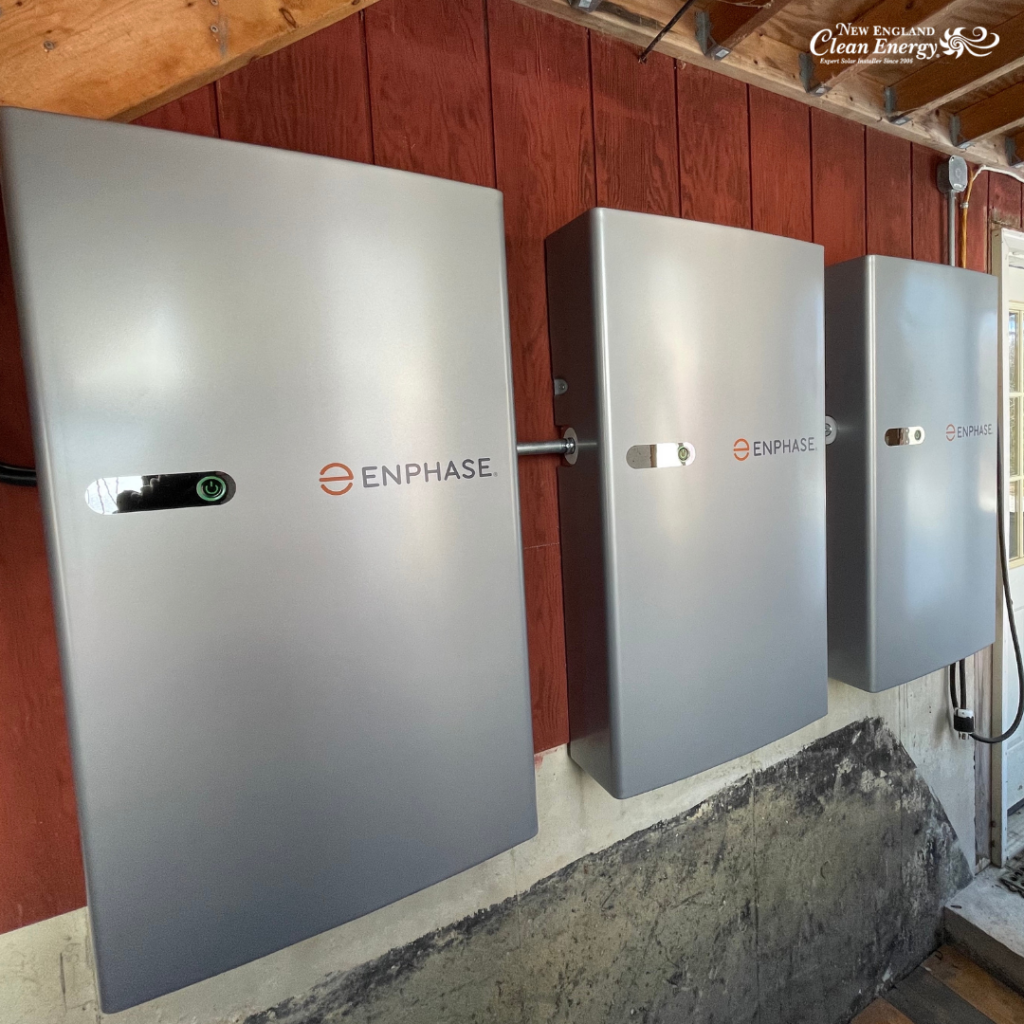
Home batteries don’t just provide backup power—they can actively generate value.Many of these programs are part of what’s called a “Bring Your Own Device” (BYOD) model.
That means your battery can participate in grid events, where it briefly sends stored energy back to the grid during times of high demand. In return, you get paid.
This creates a powerful combination:
- Backup power during outages
- Lower reliance on the grid
- Ongoing incentive payments
- Even greater value when paired with solar
If you’re already exploring solar, adding battery storage can significantly increase the overall return. You can learn more about how systems work together on our batteries page.
New Home Battery Incentives in New England
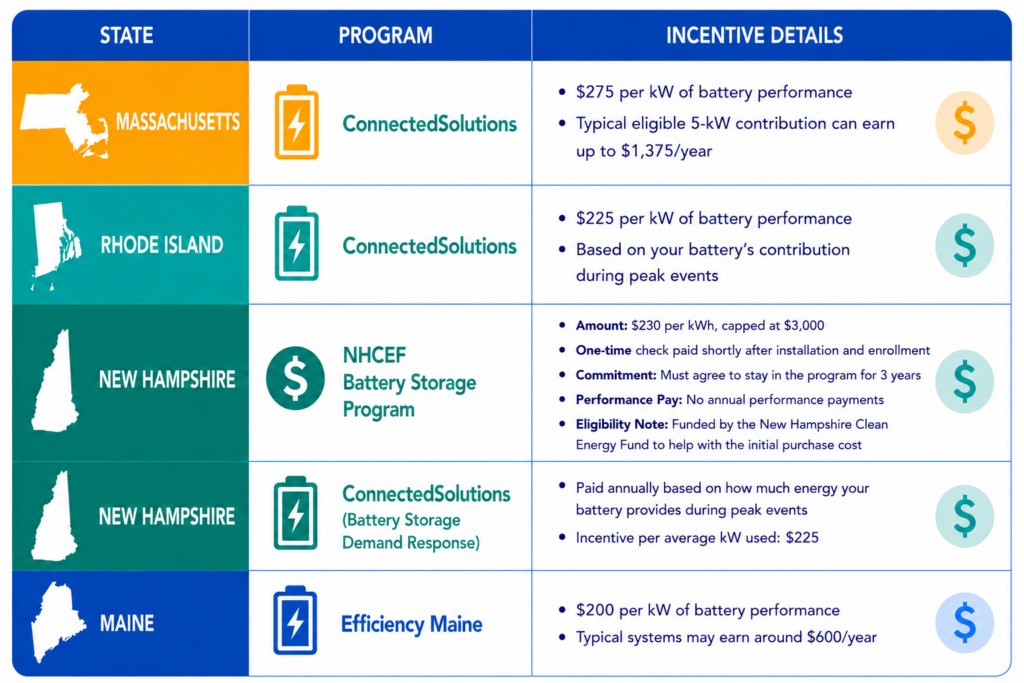
New: Maine Battery Incentives (Efficiency Maine Program)
Homeowners in Maine now have access to a new battery incentive program through Efficiency Maine.
Key Details:
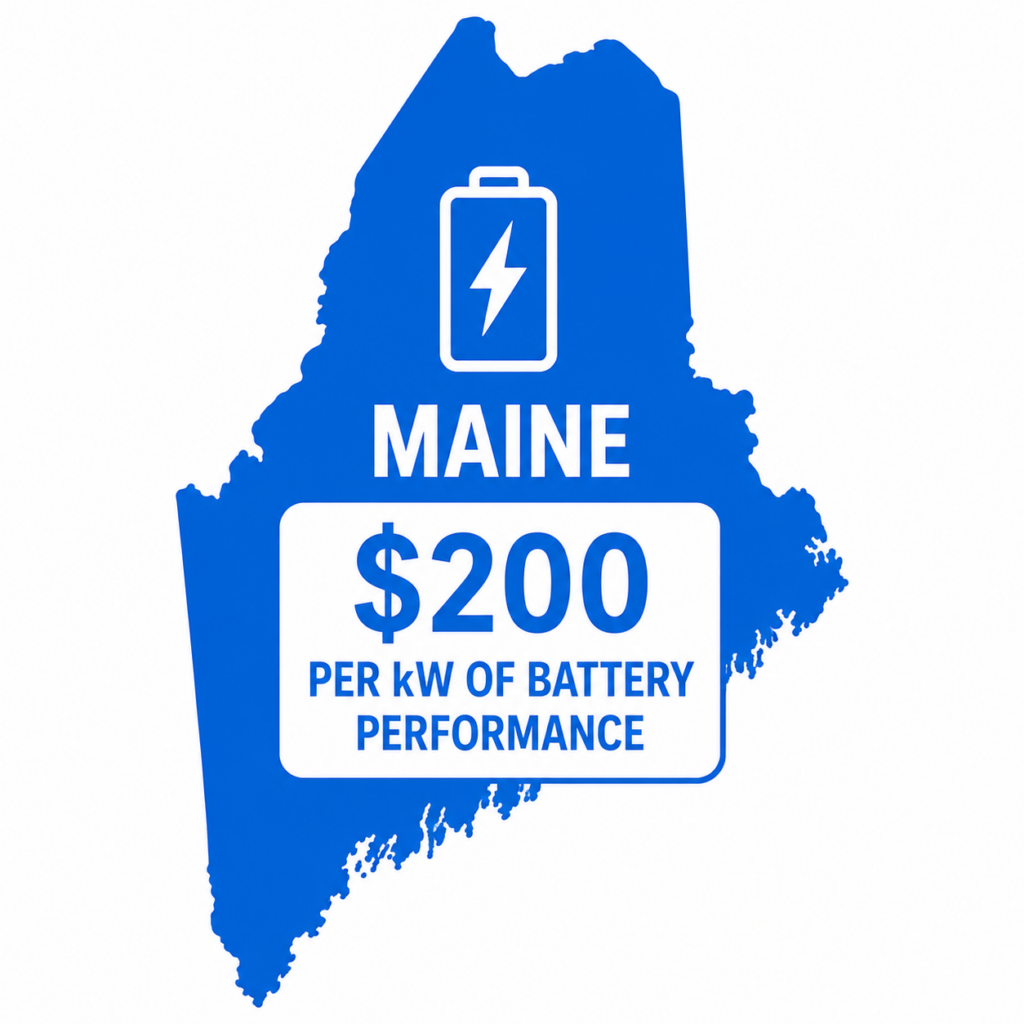
- Incentive: $200 per kW (performance-based)
- Estimated Earnings: Around $600/year
- Program Term: 10 years
- Events: Up to 60 per year (typically weekday evenings)
- How It Works: Your battery discharges during peak demand events
Homeowners receive payments annually, with earnings tied to how the system performs during these events. This is a strong long-term option for generating consistent value from your battery system.
New Hampshire Battery Incentives
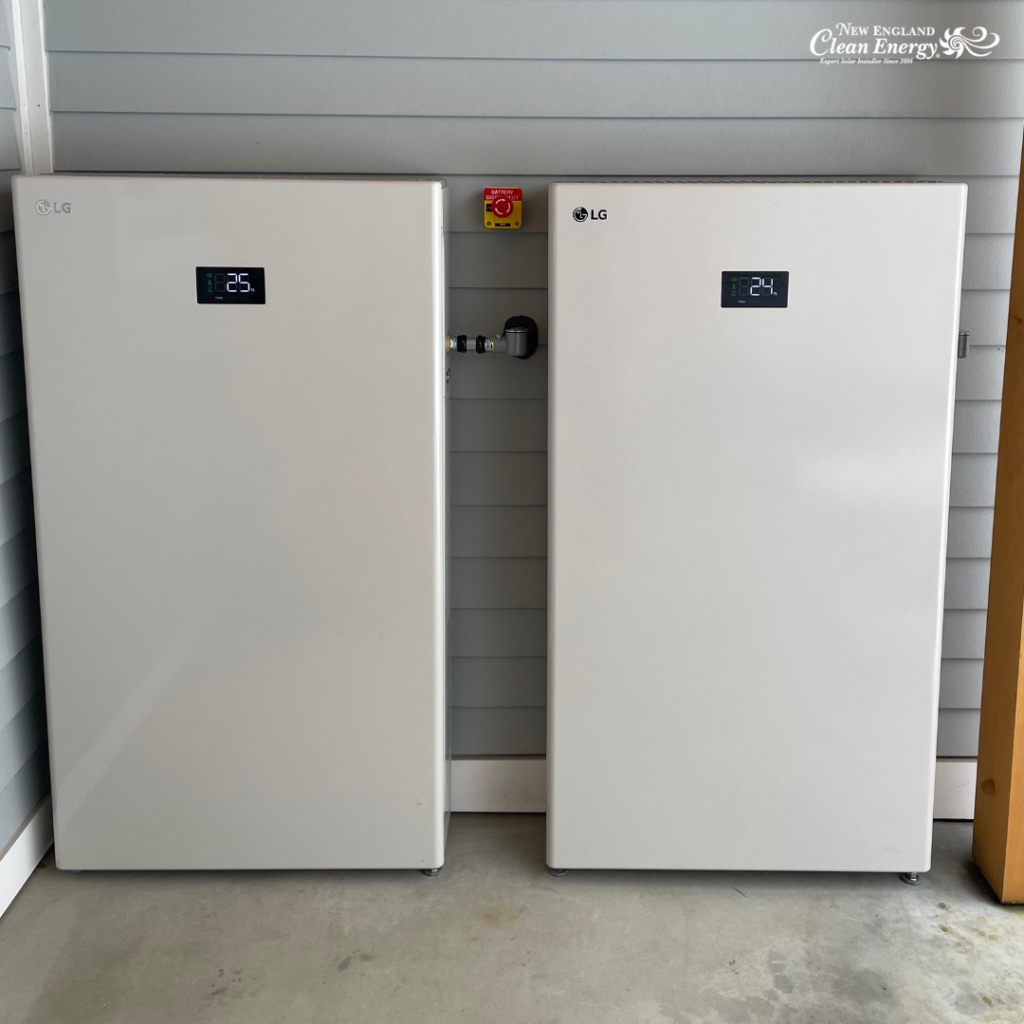
New Hampshire homeowners have access to two battery incentive opportunities that can help reduce upfront costs and generate ongoing annual earnings.
NHCEF Battery Storage Program
The New Hampshire Clean Energy Fund (NHCEF) program is designed to help lower the initial cost of installing a battery system through a one-time upfront incentive.
Key Details:
- Incentive: $230 per kWh, capped at $3,000
- Example: An Enphase IQ Battery 10T would qualify for $2,300
- Payment Type: One-time upfront check shortly after installation and enrollment
- Program Commitment: 3 years
- Annual Performance Payments: None
One of the biggest advantages of the NHCEF program is the immediate financial benefit. Because funding is limited, the program is expected to be competitive, making early enrollment important.
ConnectedSolutions Program
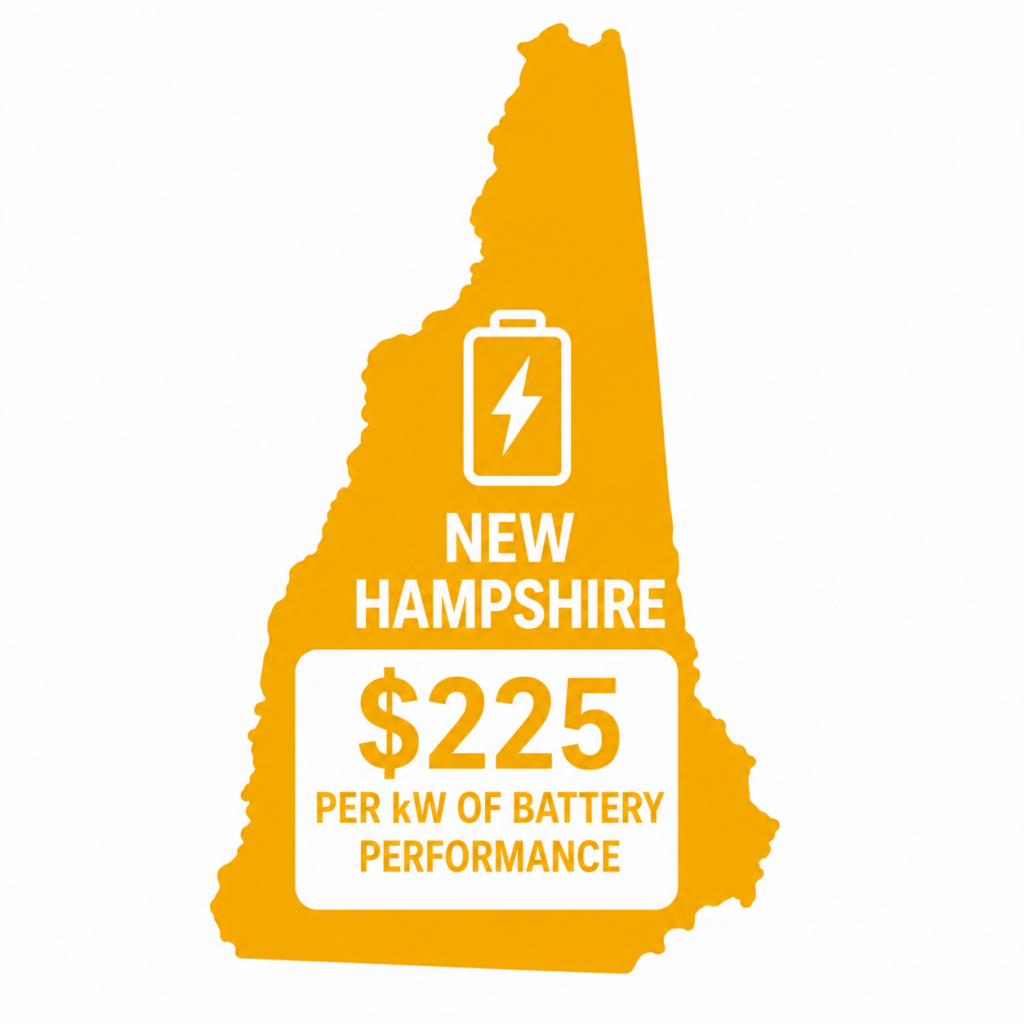
In addition to NHCEF, New Hampshire homeowners may also be eligible for ConnectedSolutions, a battery demand response program that provides ongoing annual payments based on battery performance during peak demand events.
Key Details:
- Incentive: $225 per average kW contributed during the summer season
- Payment Type: Annual performance-based payments
- Estimated Earnings: Many homeowners can earn hundreds of dollars per year
- Program Commitment: Ongoing enrollment required to continue earning
- Performance-Based: The more your battery contributes during peak events, the more you can earn
This program works similarly to other demand response programs across New England, where batteries help support grid stability during periods of high electricity demand.
Best Strategy
Many homeowners may benefit from starting with the NHCEF upfront incentive to reduce the initial cost of battery installation, then transitioning into ConnectedSolutions afterward for ongoing annual earnings.
Massachusetts ConnectedSolutions Battery Incentive
Massachusetts homeowners continue to have access to one of the strongest battery incentive programs in New England through the Mass Save ConnectedSolutions program.
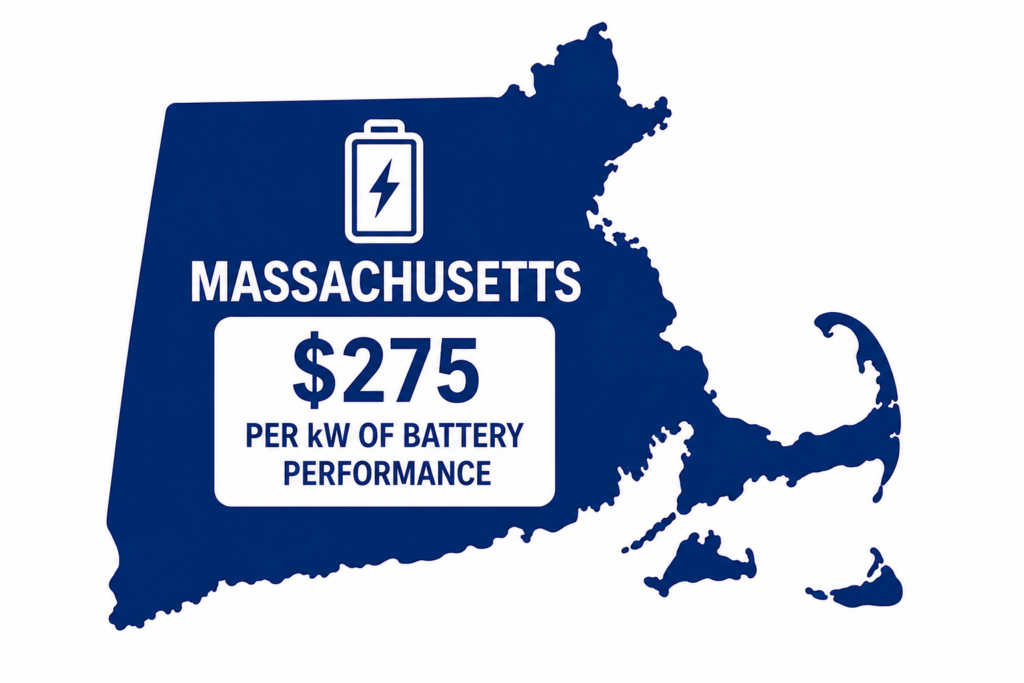
Unlike upfront rebate programs, ConnectedSolutions is performance-based—meaning homeowners are paid annually based on how much energy their battery contributes during peak demand events.
Key Details:
- Incentive: $275 per average kW contributed during summer events
- Estimated Earnings: A typical 5-kW battery contribution could earn up to approximately $1,375 per year
- Payment Structure: Annual performance-based payments
- Program Type: Demand response / virtual power plant program
One of the biggest advantages of ConnectedSolutions is flexibility.
Battery systems can be:
- Installed alongside a new solar system
- Added to an existing solar installation
- Installed as stand-alone battery storage
During periods of high electricity demand, enrolled batteries automatically discharge stored energy to help reduce strain on the grid. In return, homeowners receive annual incentive payments based on their battery’s performance.
Rhode Island ConnectedSolutions Battery Incentive
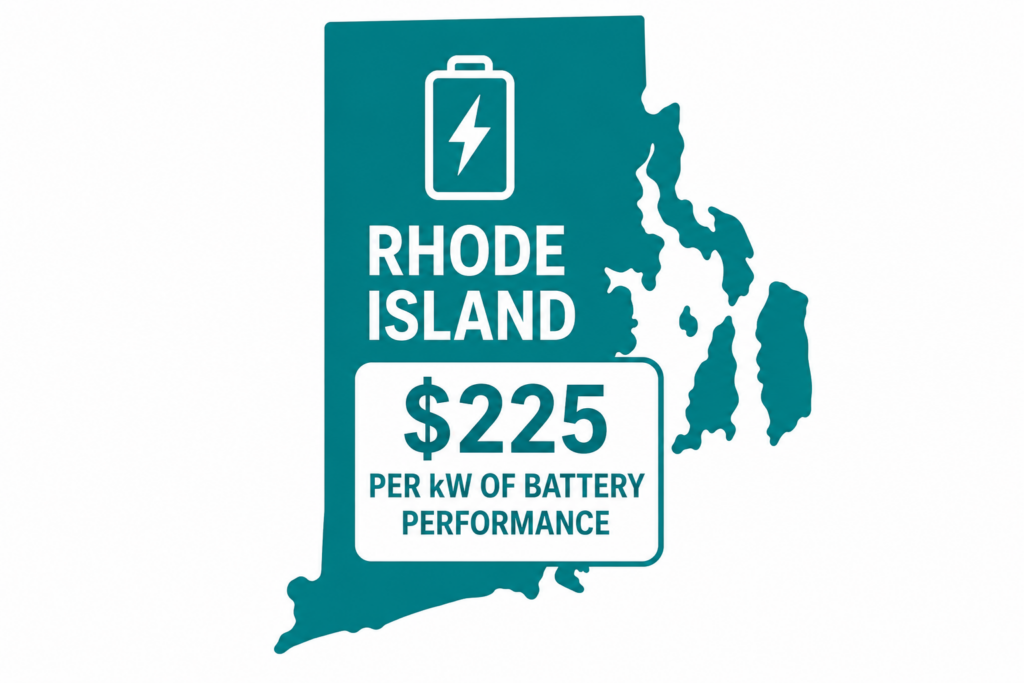
Rhode Island homeowners looking to maximize the value of battery storage may qualify for ongoing incentive payments through the ConnectedSolutions program.
Rather than offering a one-time upfront rebate, ConnectedSolutions rewards homeowners year after year based on how their battery system performs during periods of high electricity demand. When the grid is under stress during summer peak events, your battery can automatically supply stored energy back to your home or help reduce grid demand—and you get paid for participating.
Key Details:
- Incentive: $225 per average kW of battery contribution
- Program Structure: Annual performance-based incentive payments
- Eligibility: Available for qualifying battery storage systems
- Program Type: Utility demand response program
Battery storage systems enrolled in ConnectedSolutions can be:
- Paired with a new solar installation
- Added to an existing solar system
- Installed independently as stand-alone backup storage
For many Rhode Island homeowners, battery storage offers more than just backup power. Programs like ConnectedSolutions create an opportunity to improve energy resilience while earning ongoing incentives for supporting a more stable and reliable electric grid.
What This Means for Homeowners

With these programs now available, battery storage offers more value than ever before:
- Earn money from your system through grid participation
- Protect your home during outages
- Maximize the value of your solar system
- Take advantage of multiple stacked incentives
And importantly—many of these programs are open to both new and existing battery systems, depending on eligibility.
If you’re also considering upgrading your home’s efficiency, many homeowners pair batteries with systems like heat pumps to further reduce energy costs and reliance on fossil fuels.
How Enrollment Works
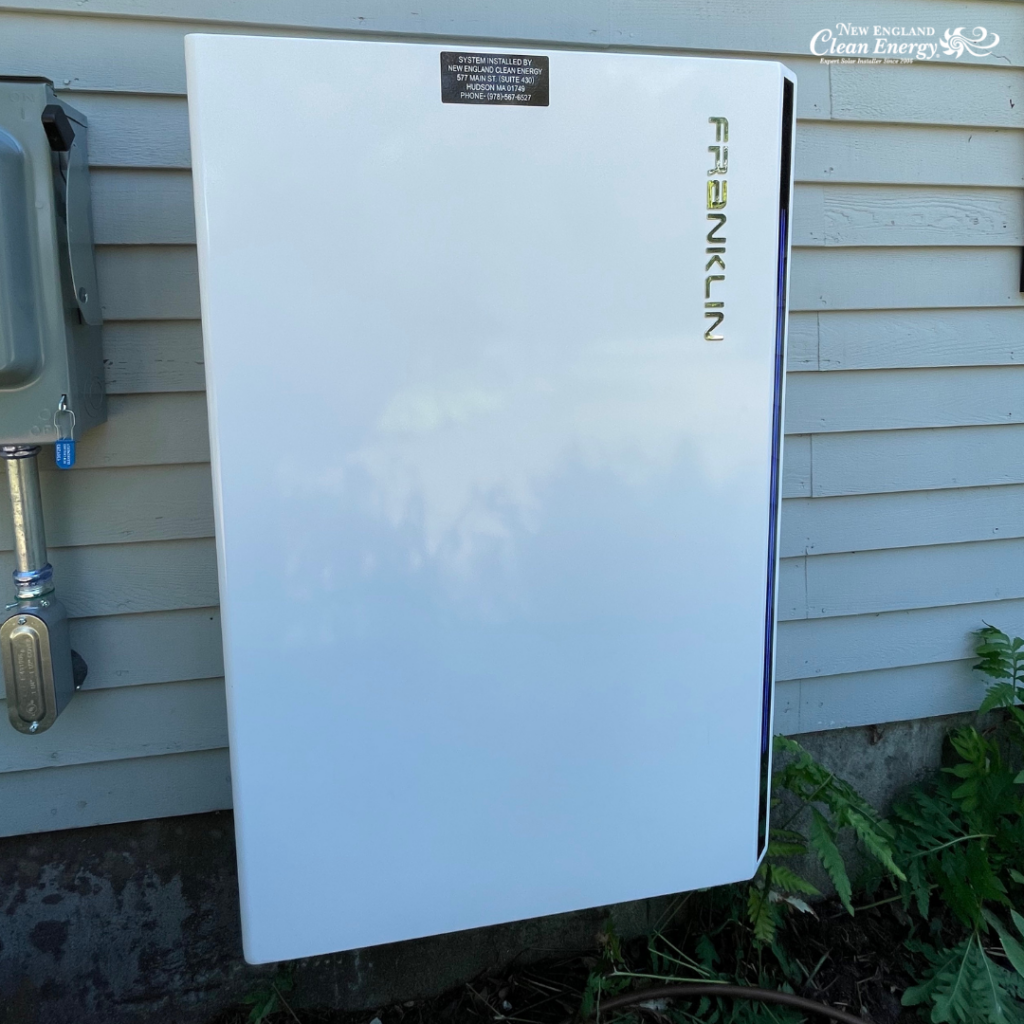
For eligible systems, enrollment is typically done through the manufacturer’s platform (such as the FranklinWH app), and participation depends on your local utility and interconnection.
Because program rules and availability can change—and some incentives have limited funding—it’s important to evaluate your options sooner rather than later.
Financing can also play a role in making these upgrades more accessible. If you’re in Massachusetts, programs like the Mass Save® HEAT Loan can help reduce upfront costs for qualifying projects.
Is Battery Storage Worth It in 2026?
With rising electricity rates and increasing demand on the grid, battery storage is becoming one of the smartest energy upgrades a homeowner can make.
And with new incentives across Maine and New Hampshire—plus strong programs throughout the rest of New England—the financial case is stronger than ever.
Get Started
If you’re curious what battery storage could look like for your home—or how much you could earn through these programs—we’re happy to help.
Get a custom quote and incentive breakdown today! No pressure—just clear numbers and guidance tailored to your home.
If you liked this article, you may also like:
Why Are Electricity Rates Rising—and What Does AI Have to Do With It?
Why Buy a Heat Pump from a Solar Company?
Answering Common Questions About Propel’s Energy Services Agreement Path to Ownership