
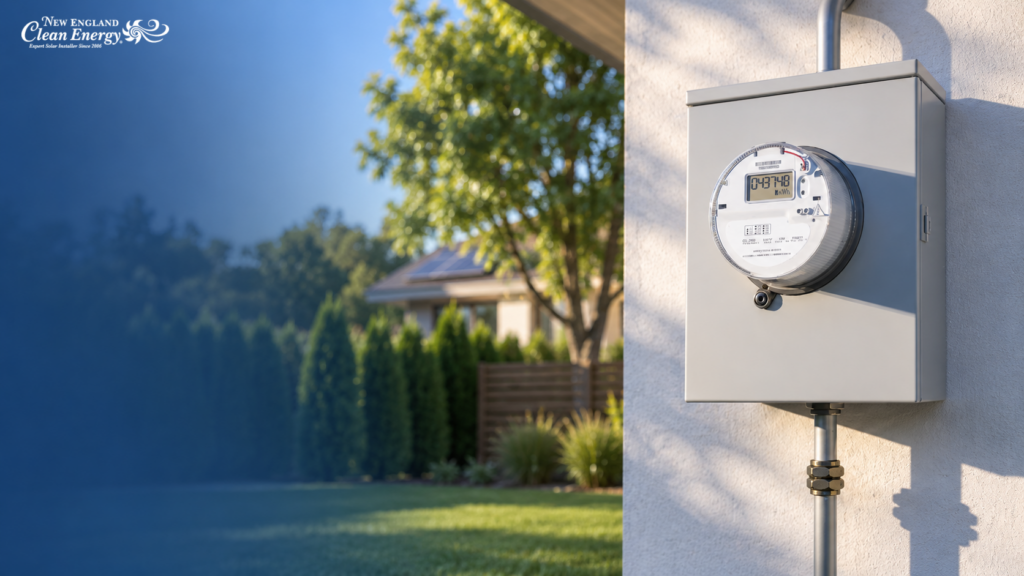
If you’ve recently received a letter, email, or notice from your electric utility saying your meter is being replaced, you’re not alone.
Across Massachusetts, electric utilities are replacing traditional electric meters with smart meters as part of a broader effort to modernize the electric grid.
For many homeowners, though, the first reaction is simply: Why am I getting a new electric meter?
Your existing meter isn’t necessarily broken, and you didn’t do anything to trigger the replacement. Utilities including Eversource and National Grid are rolling out advanced metering infrastructure, commonly called AMI, across their Massachusetts service territories.
Here’s why you may be getting a new electric meter, what makes a smart meter different, and what the change could mean for the way you understand and manage electricity use in your home.
Why Am I Getting a New Electric Meter?
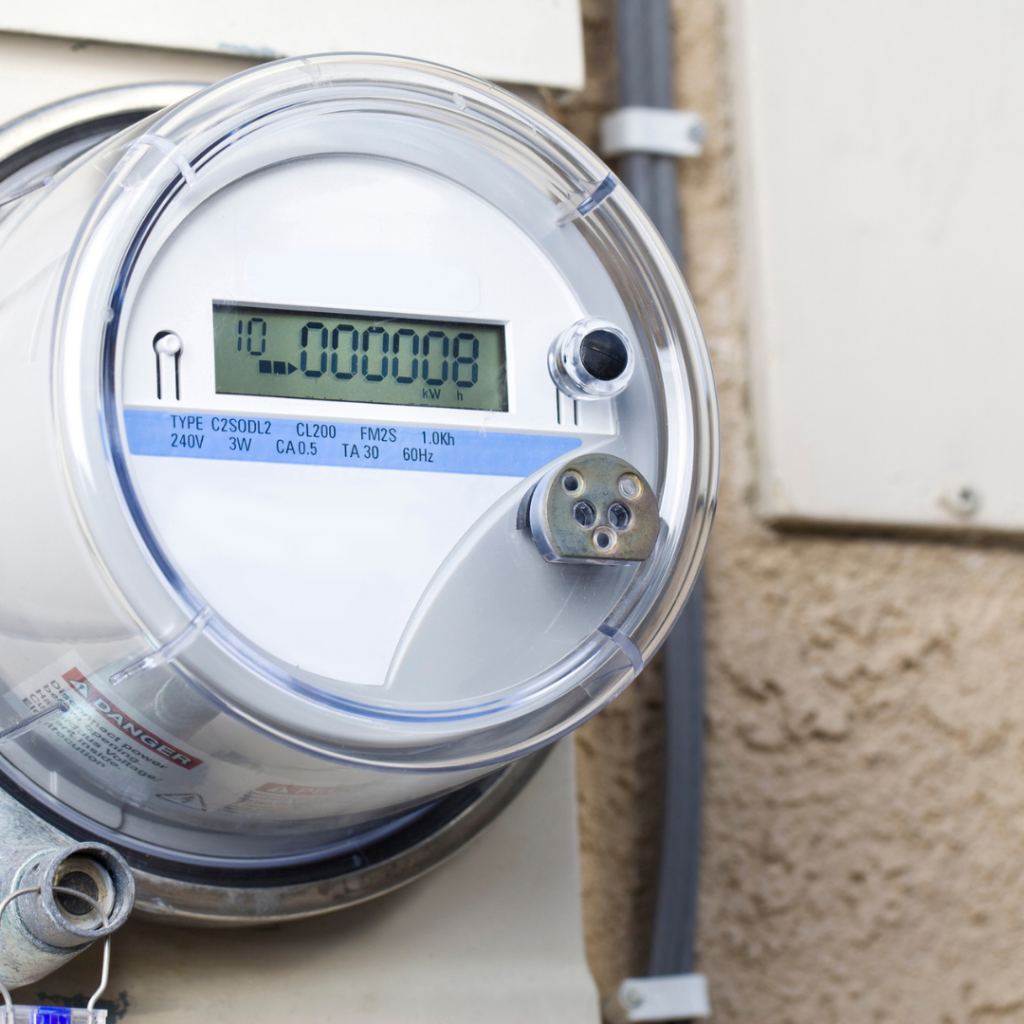
Massachusetts is in the middle of a major electric grid modernization effort.
The Massachusetts Department of Public Utilities approved advanced metering infrastructure plans for Eversource, National Grid, and Unitil. These plans include large-scale deployments of smart meters along with the communication systems and technology needed to support them.
Eversource, for example, is exchanging existing electric meters in Massachusetts for smart meters, with installations taking place across its service territory over a period of several years.
So, if you’ve received a notice about a meter replacement, your new electric meter is likely part of a much larger utility upgrade happening throughout Massachusetts—not the result of a problem specific to your home.
What Is a Smart Meter?
A smart meter is a digital electric meter with communication capabilities that allow it to automatically send information about your electricity use to your utility.
Traditional meters generally provide much less frequent information. With a smart meter, usage information can be transmitted automatically at regular intervals.
That can provide a much more detailed picture of when and how much electricity your home is using, rather than simply contributing to one monthly usage total.
And that additional information is one of the biggest reasons utilities are making the switch.
Why Are Eversource and National Grid Switching to Smart Meters?
The way we use electricity is changing.
Homes that once primarily used electricity for lights and appliances may now also have heat pumps, electric vehicles, solar panels, battery storage, electric water heaters, induction cooking, and other electric technologies.
At the same time, utilities need better information about what’s happening throughout the electric grid.
Smart meters are one part of that modernization.
Depending on your utility and the tools available to you, smart meters may provide benefits such as:
- More detailed information about electricity consumption
- Automatic meter readings
- High-usage or high-bill alerts
- Better information during power outages
- Faster identification of certain electrical problems
- Remote starting or stopping of electric service
- Tools for understanding and managing when your home uses electricity
For homeowners, one of the most noticeable changes may simply be having access to more information.
Instead of waiting for your monthly bill to see how much electricity you used, smart-meter data can provide a more detailed look at your consumption throughout the billing period.
What Happens When Your Smart Meter Is Installed?
In many cases, the installation itself is pretty simple.
Your utility should contact you before meter replacements begin in your area. The specific process will depend on your electric company.
For Eversource customers, a technician will knock on the door as a courtesy, but you generally don’t need to be home if the meter is outside and accessible.
Your electricity may need to be briefly interrupted while the old meter is removed and the new one is installed. Eversource says this interruption is typically five minutes or less.
Once your new electric meter is installed, there generally isn’t anything you need to do immediately. Your utility will provide information about when new energy-use tools and data become available through your account.
Because installation procedures can vary, always follow the instructions provided by your specific electric utility.
What Can a Smart Meter Tell You About Your Electricity Use?
This is where smart meters can become especially useful for homeowners.
Think about your traditional electric bill.
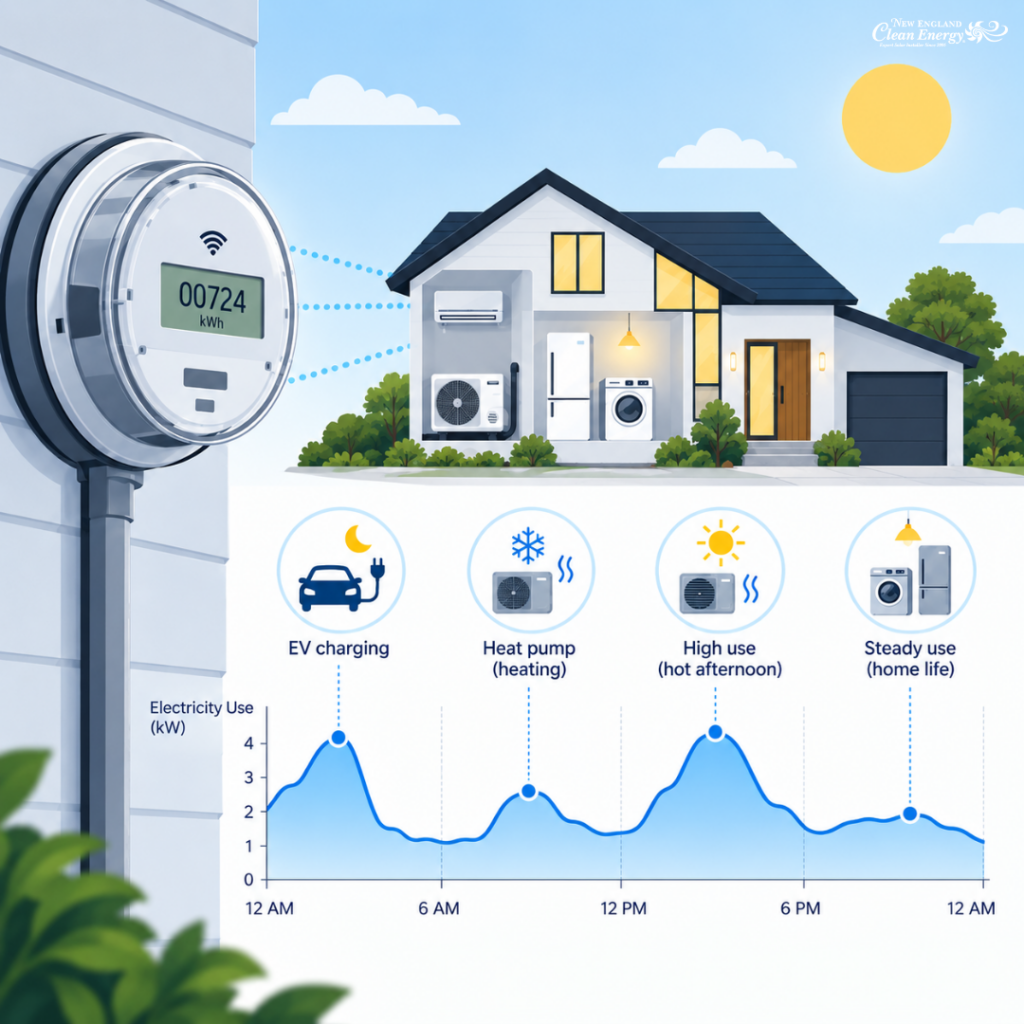
You might see that your household used 900 kilowatt-hours of electricity during the month. That’s helpful—but it doesn’t necessarily tell you when you used that electricity.
More detailed smart-meter data can begin filling in that missing piece.
You may be able to identify periods when your electricity consumption rises and think about what was happening in your home at the time.
Was your heat pump working harder during a cold stretch?
Did charging your EV increase overnight consumption?
Did electricity use spike during a heat wave?
Are you consistently using more electricity during certain parts of the day?
Understanding those patterns can give you a better picture of how your home actually uses energy.
What Does a Smart Meter Mean If You Have Solar?
If you already have solar panels and your utility tells you it’s replacing your electric meter, don’t assume something is wrong with your solar system.
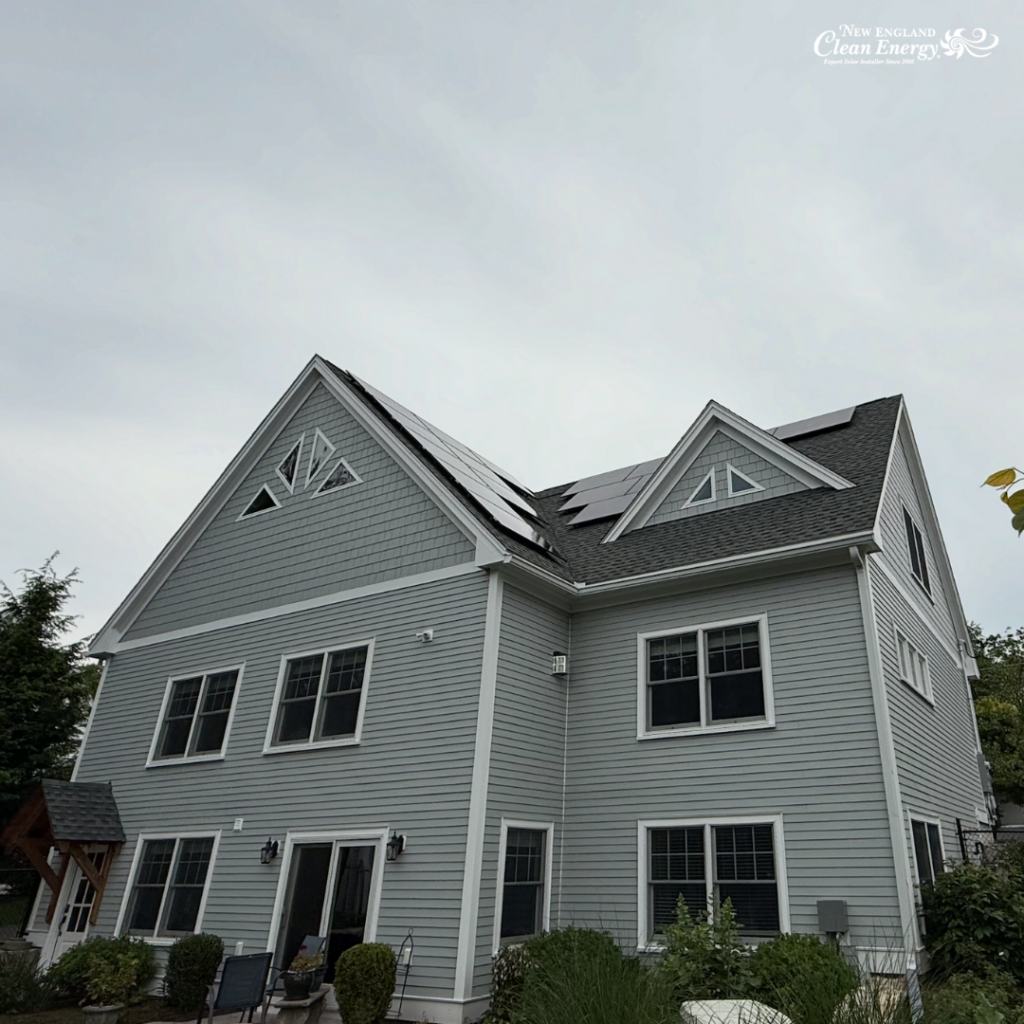
The smart-meter rollout is part of a broader utility modernization effort.
It’s also important to remember that your utility meter and your solar monitoring platform serve different purposes.
Your solar monitoring system may show how much electricity your panels are producing. Depending on your equipment, it may also provide information about battery operation or household consumption.
Your utility meter measures electricity from the utility’s perspective, including electricity moving between your property and the electric grid.
Those numbers may not always look identical because the systems are measuring different parts of your home’s energy picture.
Together, however, solar monitoring and more detailed utility data can give homeowners greater insight into how electricity is being produced and used at their property.
Why Smart Meters Matter as Homes Become More Electric
The timing of the smart-meter rollout isn’t happening in isolation.
Massachusetts is simultaneously working to modernize its electric grid as more renewable energy and electric technologies are connected to it.
Solar panels can generate electricity during the day. Batteries can store energy for later. EVs can add substantial electrical demand while they’re charging. Heat pumps can shift heating demand from fossil fuels to electricity.
All of those technologies change the way homes interact with the grid.
As our energy system becomes more dynamic, knowing when electricity is being produced and consumed becomes increasingly valuable.
That doesn’t mean you need solar panels, a battery, an EV, or a heat pump to benefit from having better information about your electricity use.
But if your home does use—or eventually adds—those technologies, detailed energy data can become another tool for understanding how everything works together.
Can You Opt Out of Getting a Smart Meter?
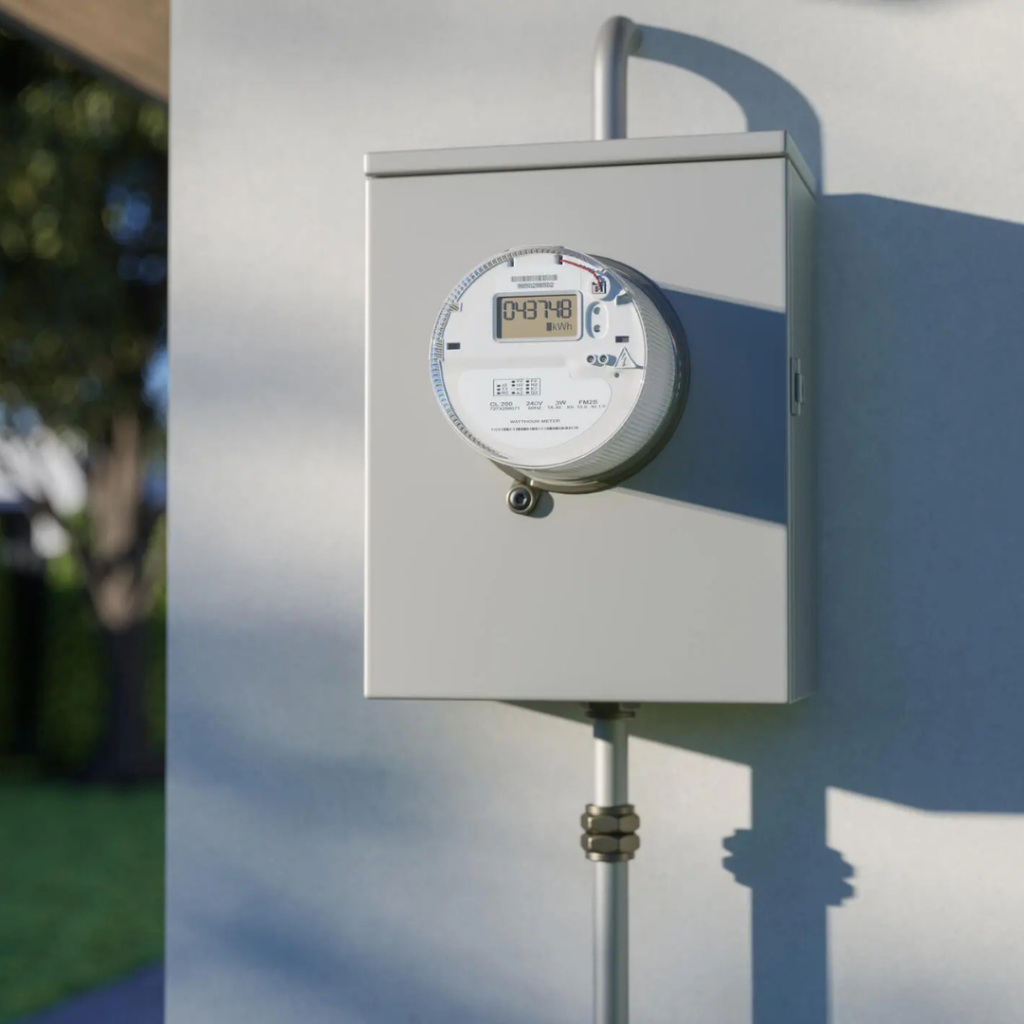
Opt-out rules depend on your electric utility, so check directly with your provider before making a decision.
For example, National Grid currently allows eligible Massachusetts residential customers to opt out of receiving a communicating smart meter.
However, opting out doesn’t necessarily mean keeping your existing meter. National Grid states that it will instead install a non-communicating meter that must be manually read.
Fees may also apply. Because utility policies and charges can change, homeowners considering an opt-out should review the most current information from their electric company.
Your New Electric Meter Is Part of a Changing Energy System
For most of us, the electric meter hasn’t traditionally been something we think about very often.
It sits on the side of the house, measures electricity, and helps the utility determine what appears on the monthly bill.
Smart meters are changing that relationship by providing utilities—and increasingly homeowners—with more detailed information about how and when electricity is being used.
And that’s becoming increasingly important as our homes change.
Solar panels, battery storage, heat pumps, EV chargers, and other electric technologies give homeowners more ways to produce, store, manage, and use energy.
At New England Clean Energy, we help homeowners understand how those technologies can work together to create a smarter, more efficient home energy system.
Interested in solar, battery storage, heat pumps, or EV charging for your home? Contact New England Clean Energy at 877-886-8867 or fill out this form to start exploring your options.
If you liked this article, you may also like:
When Does Solar Pay for Itself? Understanding Solar Payback in New England
What’s the Best Way to Pay for Solar Now That the Federal Tax Credit Has Ended?
So, Your Solar Installer Went Out of Business? Here’s Who to Call