
Heat Pump FAQs
Air Source Heat Pumps in New England: Your Questions Answered
Air source heat pumps are one of the fastest-growing home electrification upgrades in New England. Designed for cold climates, modern heat pumps provide efficient heating and cooling — even during harsh winter temperatures. Below, we answer the most common questions homeowners ask about installing air source heat pumps in Massachusetts, New Hampshire, Rhode Island, and Maine.
Q: What is a heat pump?
A: A heat pump is an all-electric system that heats and cools your home. It moves heat rather than generating it, making it far more efficient than traditional oil, propane, or gas systems.
Q: Do heat pumps work in cold New England winters?
Yes. Modern cold-climate air source heat pumps installed in New England homes are specifically designed to perform efficiently even in freezing temperatures.
Q: Will a heat pump increase my electric bill?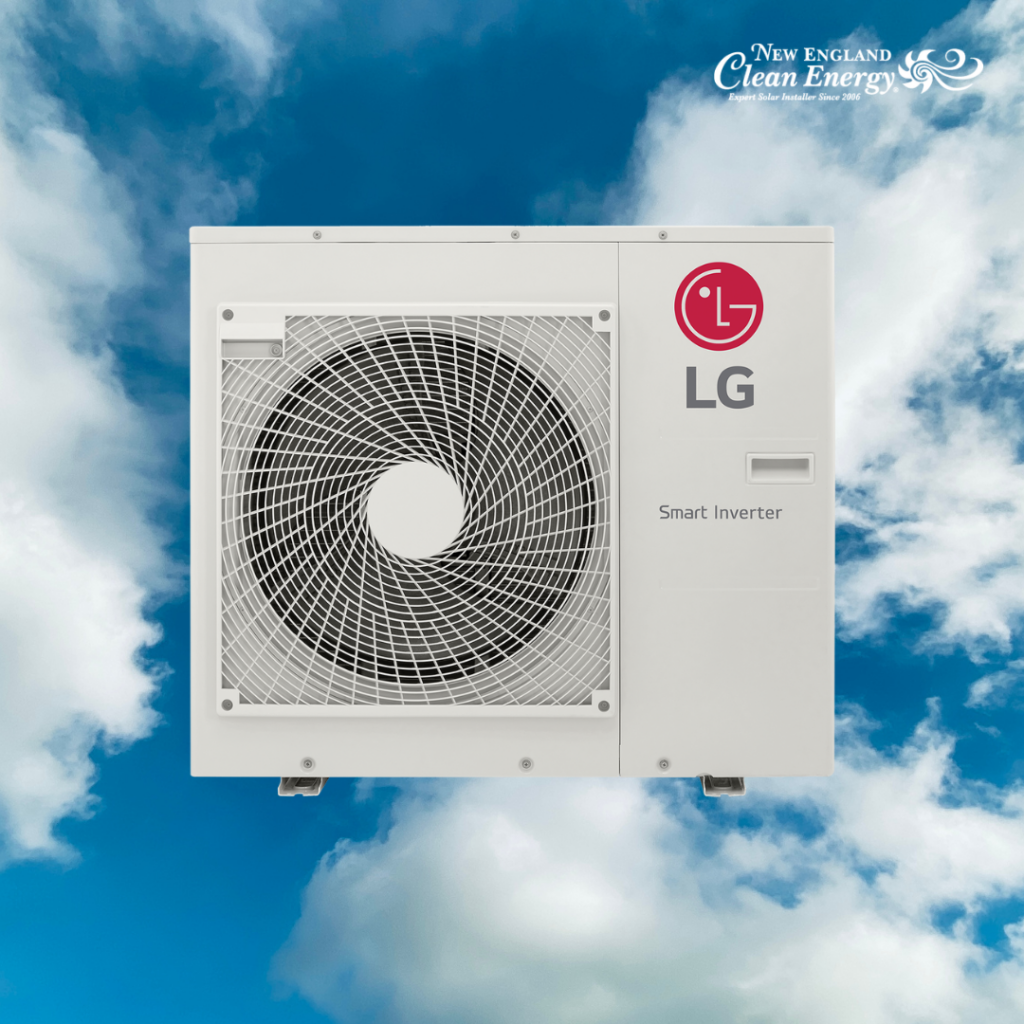
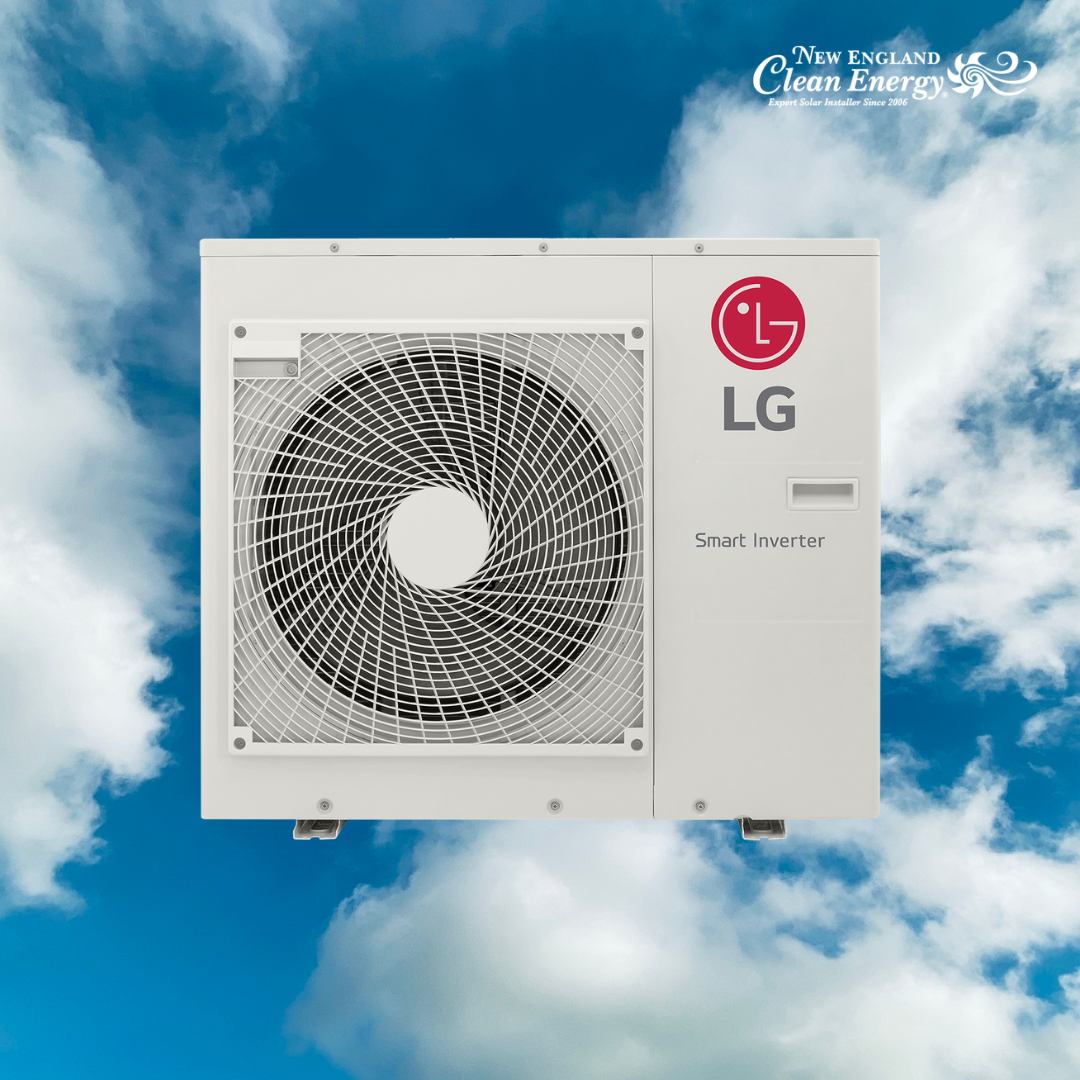
A: It can increase electricity use — but it often replaces expensive oil or propane. Many homeowners see overall energy savings, especially when paired with solar.
Q: Can a heat pump replace my furnace or boiler?
A: In many homes, yes. Some homeowners choose full electrification, while others use a hybrid system with backup heat for extreme cold.
Q: Do heat pumps provide air conditioning too?
A: Yes. One system handles both heating and cooling — no need for separate central AC or window units.
Q: Are there incentives available?
A: Yes. State and utility programs (like Mass Save in Massachusetts) often offer rebates and 0% financing options.
Q:Why pair a heat pump with solar?
A: Heat pumps run on electricity — and solar helps power them. Together, they lower operating costs and reduce fossil fuel dependence.
For more information on solar and heat pumps read: Solar and Heat Pumps: The Perfect Clean-Energy Pair
Interested in having a heat pump installed? Schedule a free consultation today!