
Heat pumps are getting a lot of attention across New England right now—and for good reason.
They offer both heating and cooling, improve energy efficiency, and can help reduce reliance on fossil fuels. But despite the growing interest, there’s still a lot of misinformation out there.
We hear the same questions all the time:
Do they actually work in older homes? Will my energy bills go up? Can they handle New England winters?
Let’s break it down and separate heat pump myth from reality.
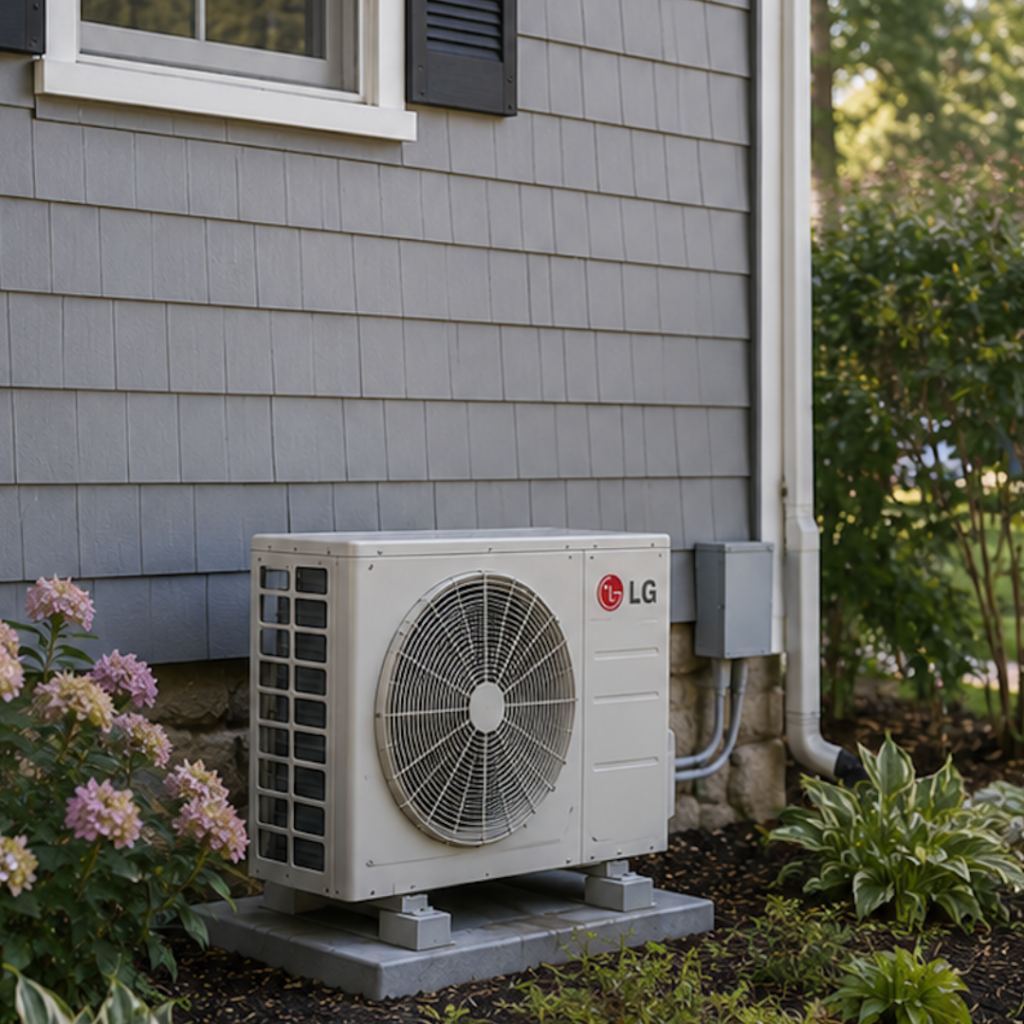
Myth: Heat Pumps Don’t Work in Older Homes
Reality: They can work in almost any home—with the right design.
One of the biggest misconceptions is that heat pumps are only for new construction or ultra-modern homes.
In reality, heat pumps are installed in homes of all ages—including older and even historic properties. The key isn’t the age of the home—it’s how the system is designed.
Proper sizing, insulation, and installation all play a role in performance. When those pieces are done right, heat pumps can be a great fit for a wide range of homes across New England.

Myth: Heat Pumps Increase Energy Costs
Reality: They’re designed to reduce long-term energy expenses.
It’s true that heat pumps can come with a higher upfront cost—but that’s only part of the picture.
Over time, many homeowners see savings because:
- Heat pumps are highly efficient
- They reduce reliance on fossil fuels
- They help protect against rising gas and oil prices
As energy costs continue to rise across the region, more homeowners are looking for ways to create predictable, long-term savings—and heat pumps are becoming part of that conversation.
If you’re exploring ways to make upgrades more affordable, programs like the Mass Save HEAT Loan can help reduce upfront costs with 0% financing for eligible improvements.

Myth: Heat Pumps Are Too Noisy
Reality: Most homeowners are surprised by how quiet they are.
Noise is a common concern, especially with the outdoor unit. But modern heat pumps are designed with sound in mind.
In many cases, they operate at levels similar to everyday household appliances. When noise does become an issue, it’s typically tied to poor placement or installation—not the equipment itself.
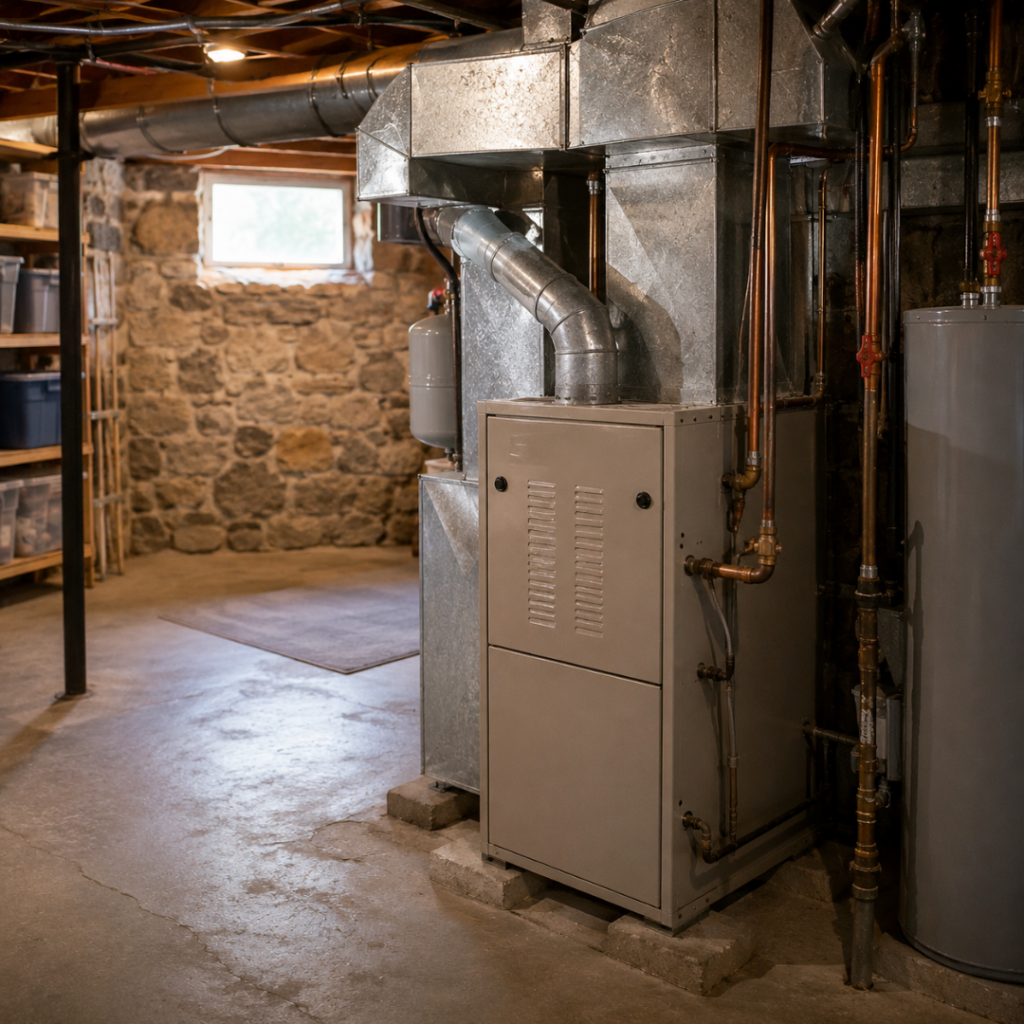
Myth: Gas Heating Is More Efficient
Reality: Heat pumps are one of the most efficient ways to heat a home.
Traditional systems generate heat by burning fuel. Heat pumps work differently—they move heat instead of creating it.
For every unit of electricity used, a heat pump can deliver multiple units of heat. Even when powered by electricity from traditional sources, they often use less total energy than gas systems.
And when paired with solar, the benefits can be even greater.
Taking a whole-home approach allows you to maximize efficiency and reduce your reliance on the grid over time.

Myth: Heat Pumps Decrease Property Value
Reality: They can make your home more attractive to buyers.
Energy efficiency is becoming a bigger priority for homebuyers across New England.
Homes with modern systems—like heat pumps—can stand out thanks to lower operating costs, improved comfort, and updated technology.
Myth: Heat Pumps Don’t Last Long
Reality: They’re built for long-term performance.
With proper installation and maintenance, modern heat pumps are designed to last 15–20 years or more.

Myth: Heat Pumps Don’t Work in Cold Weather
Reality: Today’s systems are built for climates like ours.
Modern cold-climate heat pumps are specifically engineered to perform in low temperatures and are already widely used in places like Maine.
Backup heating options can also be included for extreme cold, but for most of the season, heat pumps handle the job efficiently.
If you’re curious how systems are designed for New England conditions, you can learn more here: https://newenglandcleanenergy.com/solar-service/air-source-heat-pump-installation-in-new-england/
Myth: Heat Pumps Are Complicated to Use
Reality: They’re simple, automatic, and easy to manage.
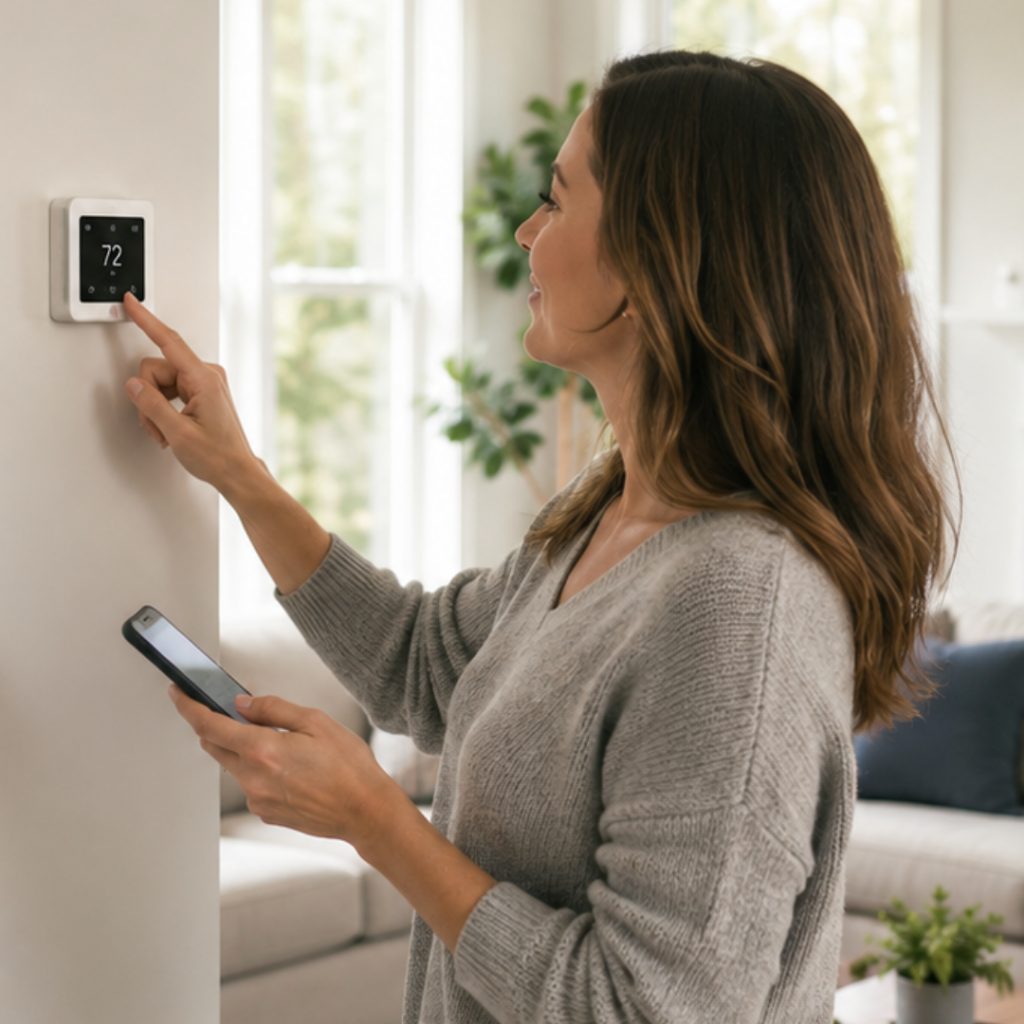
Heat pumps automatically adjust to indoor and outdoor conditions to maintain consistent comfort.
Many systems also integrate with smart thermostats, making them even easier to manage.
The Bottom Line
Heat pumps are quickly becoming a practical, everyday solution for home comfort in New England.
And while every home is different, many concerns come down to outdated information or systems that weren’t designed properly in the past.
If you’re curious what a heat pump could look like for your home, the best next step is simply a conversation.
Schedule a free consultation today:
https://newenglandcleanenergy.com/get-a-quote/
No pressure—just a chance to explore your options and see what makes sense for your home!
If you liked this article, you may also like:
Rhode Island Solar Incentives 2026: What Homeowners and Businesses Need to Know
Will a Heat Pump Raise My Electric Bill?
New Home Battery Incentives Are Expanding Across New England—Here’s What Homeowners Need to Know