
Turning Sunshine into Savings
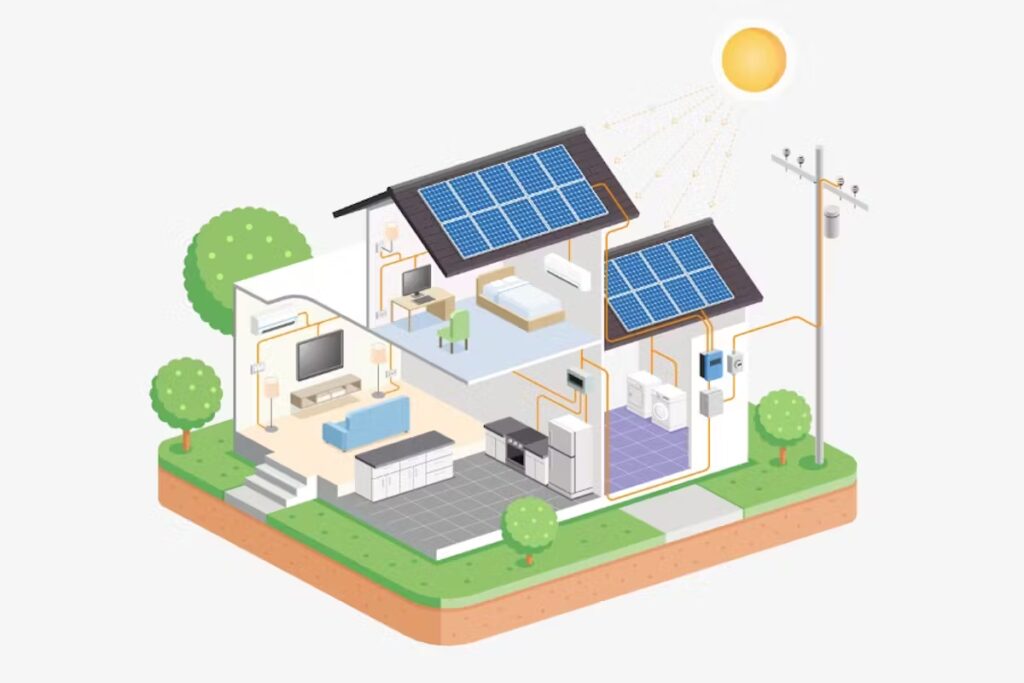
So, how does solar work? On the simplest level, solar panels convert energy from the sun into usable electricity for your home or business. This clean electricity produces no pollutants and is one of the most sustainable energy sources available today.
Across the country, solar energy is on the rise—especially in Massachusetts, Rhode Island, New Hampshire, and Maine—thanks to increasing electricity rates, state incentives, and strong sunlight that makes solar a smart investment in New England.
With an unpredictable energy market, more people are turning to solar to save money, gain energy independence, and reduce their carbon footprint. With today’s high-efficiency solar panels and battery systems, there’s never been a better time to switch to solar power for a stable, renewable energy source.

How Solar Panels Make Electricity
To understand how solar panels work, it helps to look at what’s happening inside each panel. Solar cells are made from layers of silicon—one with extra electrons and one with fewer. When sunlight hits the panels, the electrons become energized and start moving, creating an electric current.
That energy is then sent through an inverter, which makes it usable for your home or business. When your system produces more power than you use, the extra energy flows back into the electrical grid. Thanks to net metering, you earn credits for that energy, which can lower future utility bills.
Learn more about how net metering works here: What Is Net Metering?
Storing Energy with Solar Batteries
Adding a solar battery takes your system a step further. Batteries store the excess energy generated during the day, so you can use solar power at night, during outages, or on cloudy days.
You may also qualify for programs like ConnectedSolutions, which reward homeowners for allowing utilities to draw from stored energy during peak demand. These programs reduce strain on the grid, support clean energy goals, and can even earn you extra savings.
Learn more in our Solar Battery Handbook: Power Up: A Comprehensive Guide to Solar Batteries
The Financial Side: Incentives and Long-Term Value
Each New England state offers its own solar incentives—from rebates to net-metering credits and energy-storage programs. These savings make solar one of the smartest financial decisions a homeowner can make.
On average, a solar system can pay for itself in 5–8 years, with panels lasting 25+ years and continuing to reduce energy costs long after the system is paid off.
For a breakdown of available incentives, check out our free guide: Unleashing the Solar Potential: Incentives in MA, ME, NH & RI
Ready to See Solar Work for You?
Switching to solar is a big decision—but the right installer makes all the difference. At New England Clean Energy, we’ve completed over 2,000 installations across the region, providing high-quality solar panels, expert design, and long-term support.
Skip the endless “solar installers near me” searches—trust the local experts who care about your home and community.
If you liked this article, you may also like:
New eBook! Understanding Solar Quotes: Beware the Assumptions
What Are Time-of-Use Rates and Are They Coming to New England?
Will Solar Panels Ruin My Roof? The Real Story