
Every year, New Englanders brace for the same unwelcome surprise: winter energy bills that seem to jump overnight. Whether you heat with electricity, oil, or gas, the colder months bring higher usage, fluctuating rates, and strain on the grid that can send your monthly bills soaring. But while winter demand is outside your control, the way you power your home doesn’t have to be.
Solar and battery storage offer a long-term solution that softens these seasonal spikes—and provides year-round stability, resilience, and savings.
Why Winter Energy Bills Increase in New England
 1. Higher Heating and Energy Demand
Cold weather means your heating system works overtime. Even well-insulated homes see a significant jump in energy use November through March. Heat pumps, electric baseboards, and space heaters can cause electric bills to jump 30–70% or more depending on the season’s severity.
2. Utility Rate Hikes
New England utilities often raise electricity supply rates in the winter, when grid demand is highest. These increases vary by state, but many homeowners see winter rates double compared to spring or summer. Even if your usage stays the same, your bill goes up.
3. Shorter Days = More Grid Dependence
With fewer daylight hours and longer evenings, households naturally use lights and appliances more. Add holiday cooking, guests, and increased time spent indoors, and energy use climbs fast.
4. Grid Strain + Fossil Fuel Costs
New England still relies heavily on imported natural gas for electricity generation. When demand spikes during frigid stretches, supply tightens—and wholesale energy prices surge. The result: rising retail electricity rates for consumers
How Solar Protects You From Winter Bill Spikes
1. You Generate Your Own Power
Even in winter, modern high-efficiency solar panels continue producing energy—especially on crisp, sunny days when solar performance is often stronger thanks to cold temperatures. Every kilowatt-hour your system generates is one less you buy from the utility.
2. Net Metering Works Year-Round
During long summer days, your system produces more than you use. Those credits carry into fall and winter, offsetting the extra electricity you pull when the days are shorter. It’s one of the biggest ways solar stabilizes your bills across the year.
3. Avoid Paying Higher Winter Supply Rates
With solar offsetting your usage, your exposure to winter rate hikes drops significantly. While neighbors see rising bills, you benefit from locked-in solar savings for decades.
Why Adding a Battery Makes Winter Even Better
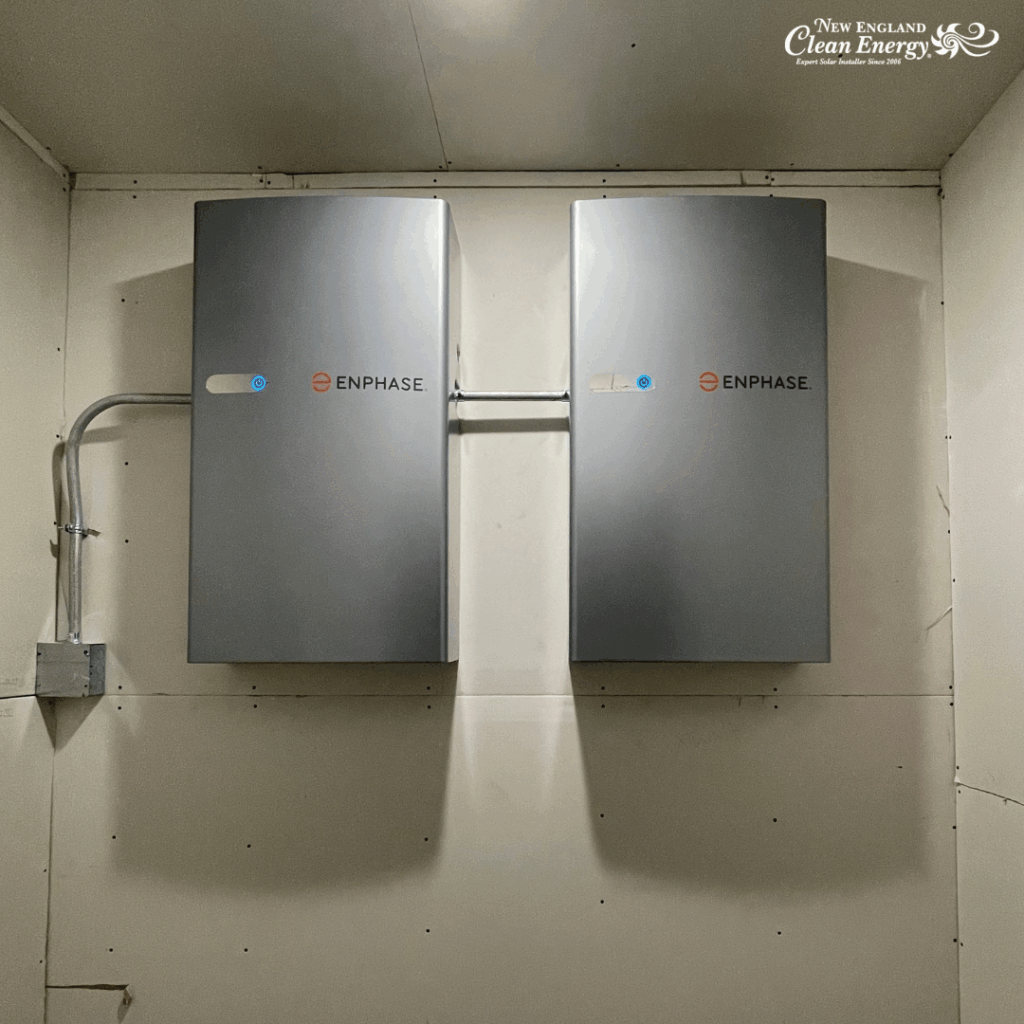
Solar handles the energy during the day. A battery handles the energy you need when the sun’s not shining—especially during peak hours, outages, and winter storms.
1. Backup Power During Outages
Winter nor’easters, ice storms, and high winds are notorious for knocking out power. A battery storage system keeps heat, lights, and critical appliances running automatically—no noisy generator or switching delay required.
2. Maximize Time-of-Use and Peak-Hour Savings
Many New England utilities now charge more for electricity during peak demand hours. Batteries store excess solar energy during the day and discharge it during expensive periods, cutting your winter bills even further.
3. Participate in ConnectedSolutions
If you’re in Massachusetts, Rhode Island, or New Hampshire, your battery can earn you thousands in incentives through utility demand-response programs like ConnectedSolutions..
4. Greater Energy Independence
With solar + storage, you rely less on the grid during the most expensive time of year. It’s comfort, control, and predictable energy costs—even when New England’s winter is anything but predictable.
Real Results: How New England Solar Owners Save in Winter
Across thousands of installations, we see the same pattern every year: solar customers consistently report lower, more predictable winter bills—especially those who paired their system with a battery.
We’ve even seen this firsthand in rugged, snowy areas like the Maine foothills, where families rely on their systems to stay powered through harsh weather. Check out one homeowner’s experience here:
Powering Through Winter with Solar and Battery Backup in the Maine Foothills
Even small systems or homes with electric heat pumps can see meaningful winter savings thanks to net metering and reduced supply-rate exposure.
Is Winter the Right Time to Go Solar? Absolutely.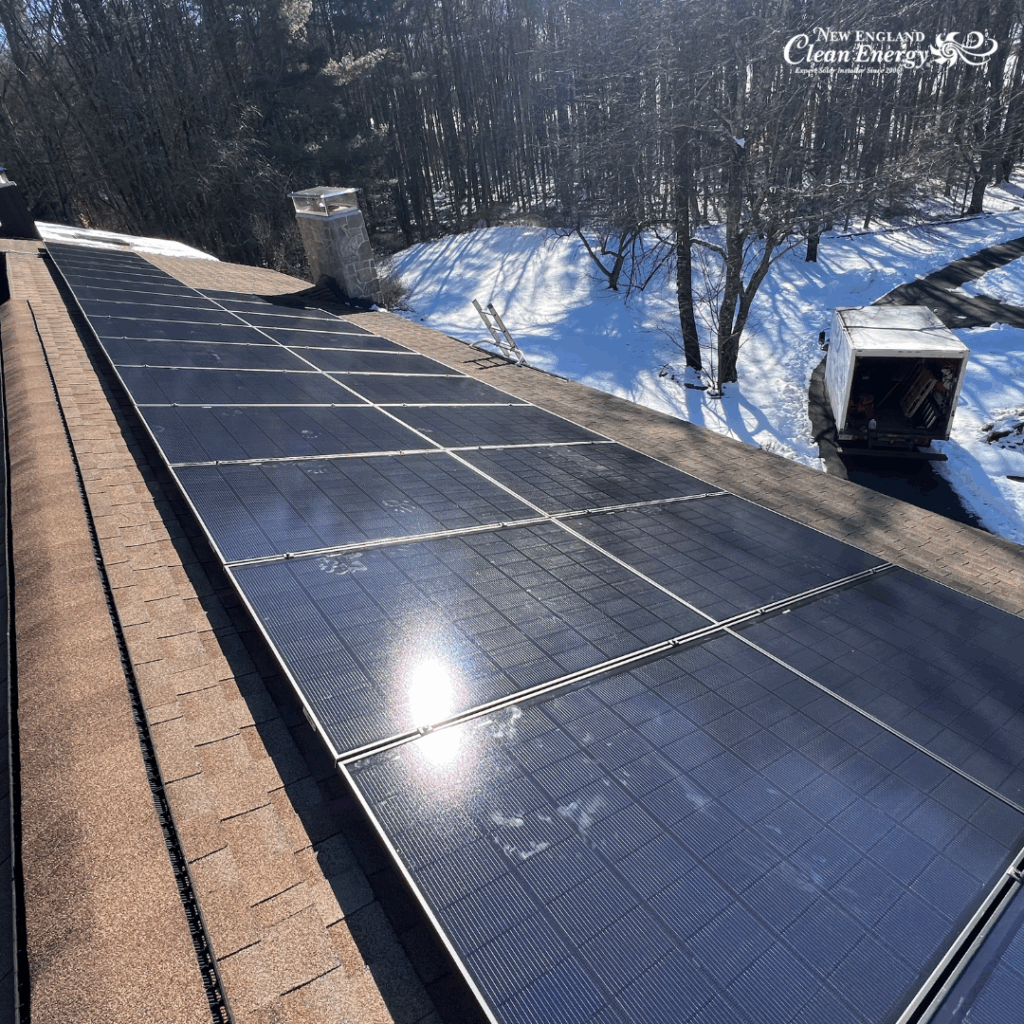
While many homeowners think winter is a “slow season” for solar, it’s actually one of the best times to start:
- Take advantage of winter incentives and tax credits
- Skip spring backlogs and get installed sooner
- Start building credits early so they’re ready for next winter
- Get ahead of rising utility rates in 2026
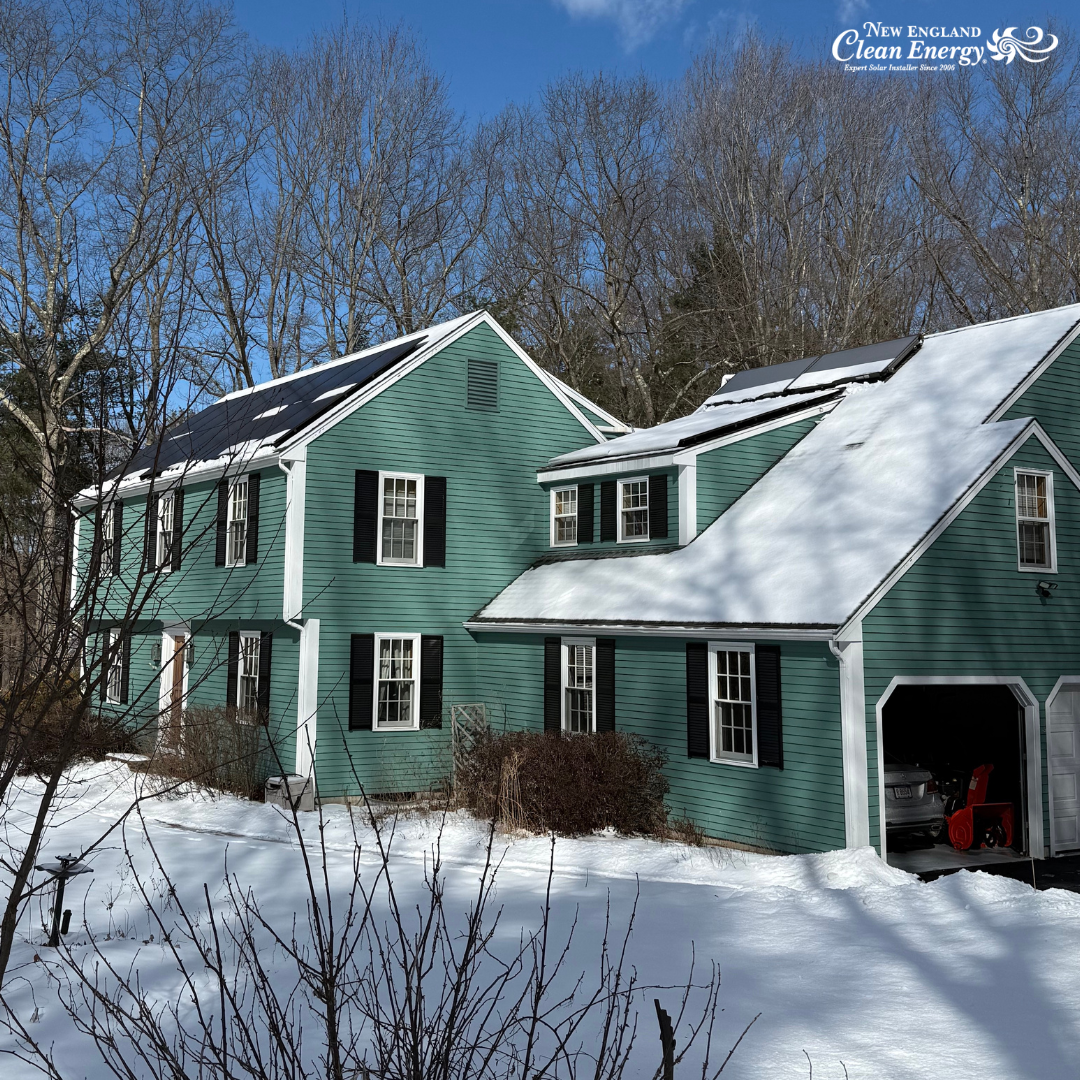
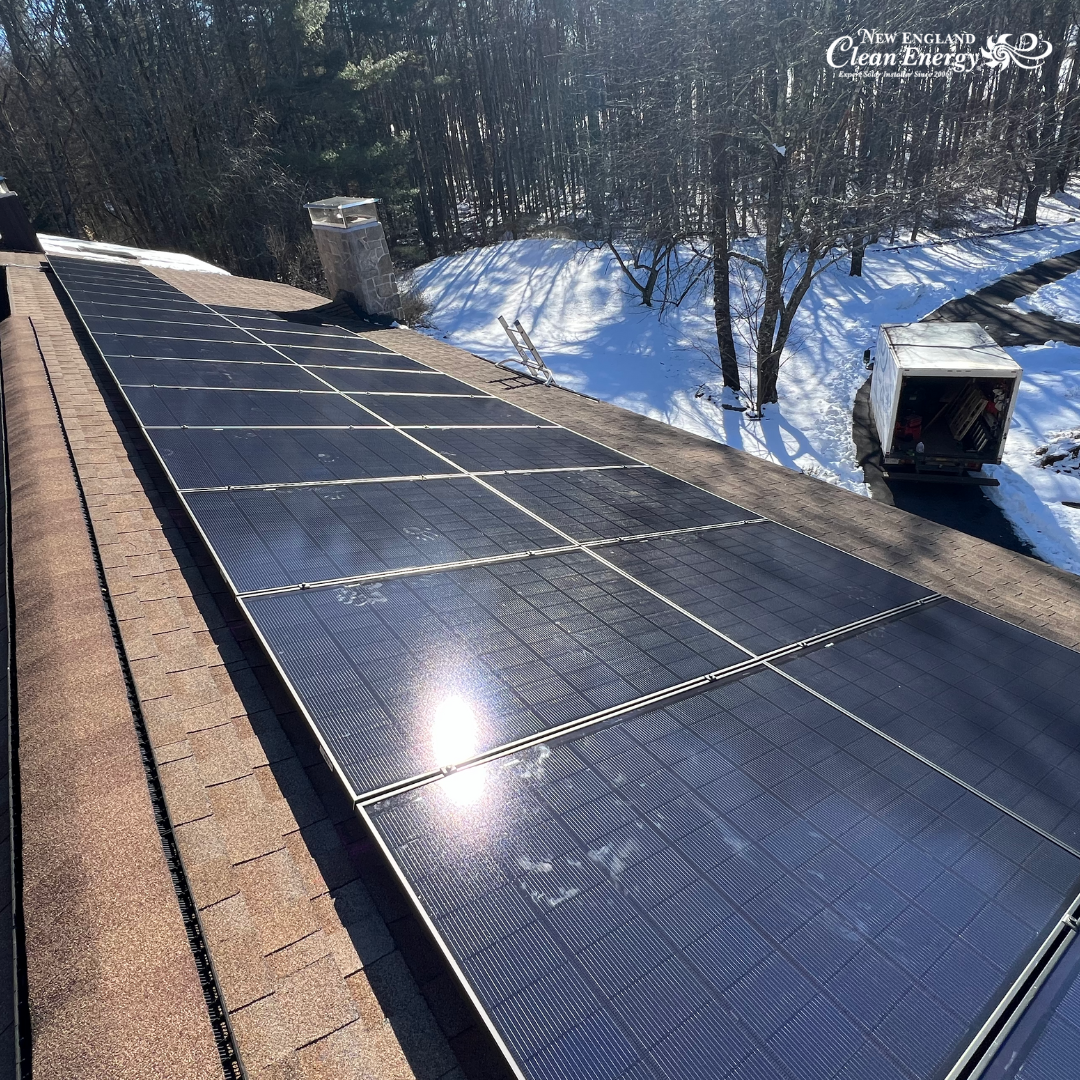
Plus—snow doesn’t stop solar. Panels are dark, smooth, and warm up quickly in the sun, helping snow slide off on its own.
Read more on snow on solar panels here.
Take Control of Your Energy Bills Before the Next Cold Snap
Winter energy spikes aren’t going anywhere—but you don’t have to keep absorbing them. Solar + battery storage gives New England homeowners something rare in the colder months: predictability, protection, and peace of mind.
Ready to see how much you could save next winter? Get a free, no-pressure consultation today!
If you liked this article, you may also like:
The Rise of All-Electric Homes: How Solar, Heat Pumps, and EVs Are Powering a Cleaner New England
Top Solar Panel Brands — And Why Installation Matters More
Why You Should Add Solar When Remodeling Your Home or Business