
As homes become more electric—think heat pumps, EVs, and work-from-home life—many homeowners find their original solar system no longer covers as much of their electricity use as it once did.
A natural question follows: Can I just add more solar panels to what I already have?
Sometimes the answer is yes—but very often, it’s more complicated than it sounds.
Why Homeowners Want More Solar
We typically see homeowners looking to add more solar when:
- They’ve installed (or plan to install) heat pumps
- They’ve purchased an electric vehicle they charge at home
- Household energy use has increased over time
- Electricity rates have risen faster than expected
- The original system was sized conservatively
Solar systems are designed around past usage—but homes, technology, and energy costs evolve.
Can You Add More Panels to an Existing Solar System?
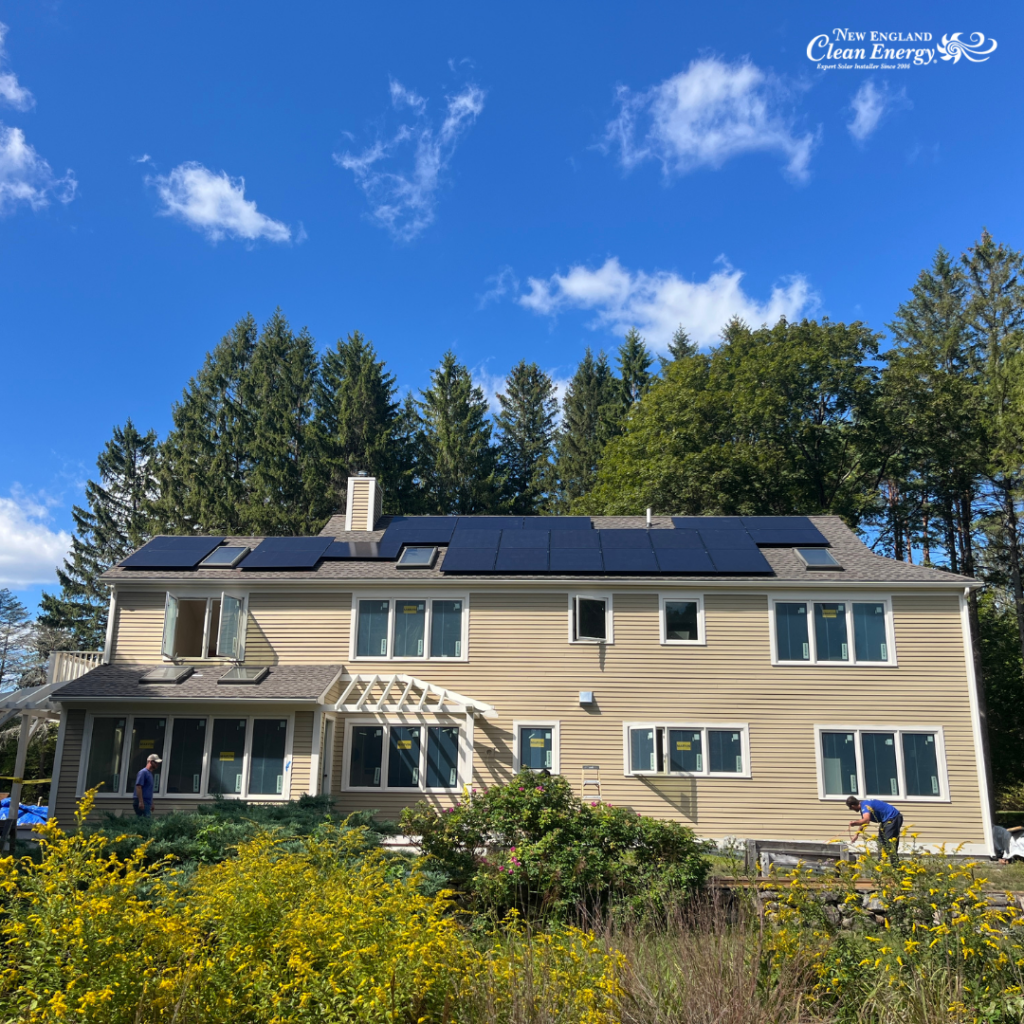
Here’s the key thing to know upfront: Adding onto” an existing solar system isn’t always possible—and in many cases, the solution is actually a second, separate system.
Whether expansion is feasible depends on a mix of equipment, roof conditions, and—most importantly—town and utility rules, which vary widely across New England.
Why It’s Not Always as Simple as Adding Panels
1. Original System Design & Equipment
Some systems were designed with future growth in mind. Others were built right up to their limits.
- Inverter capacity may already be maxed out
- Older equipment may not be compatible with newer technology
- Electrical panels may not support additional generation
Even with micro-inverters (which are often more flexible), there are still limits tied to system size and interconnection approvals.
2. Roof Space, Layout & Codes
Even if the equipment could handle more panels, the roof might not.
Factors include:
- Available unshaded roof area
- Roof orientation and pitch
- Structural limits
- Fire code setback requirements
In many cases, the best location for additional panels isn’t where the original system was installed—which can change how the project must be designed and permitted.
3. Town & Utility Rules Matter—A Lot
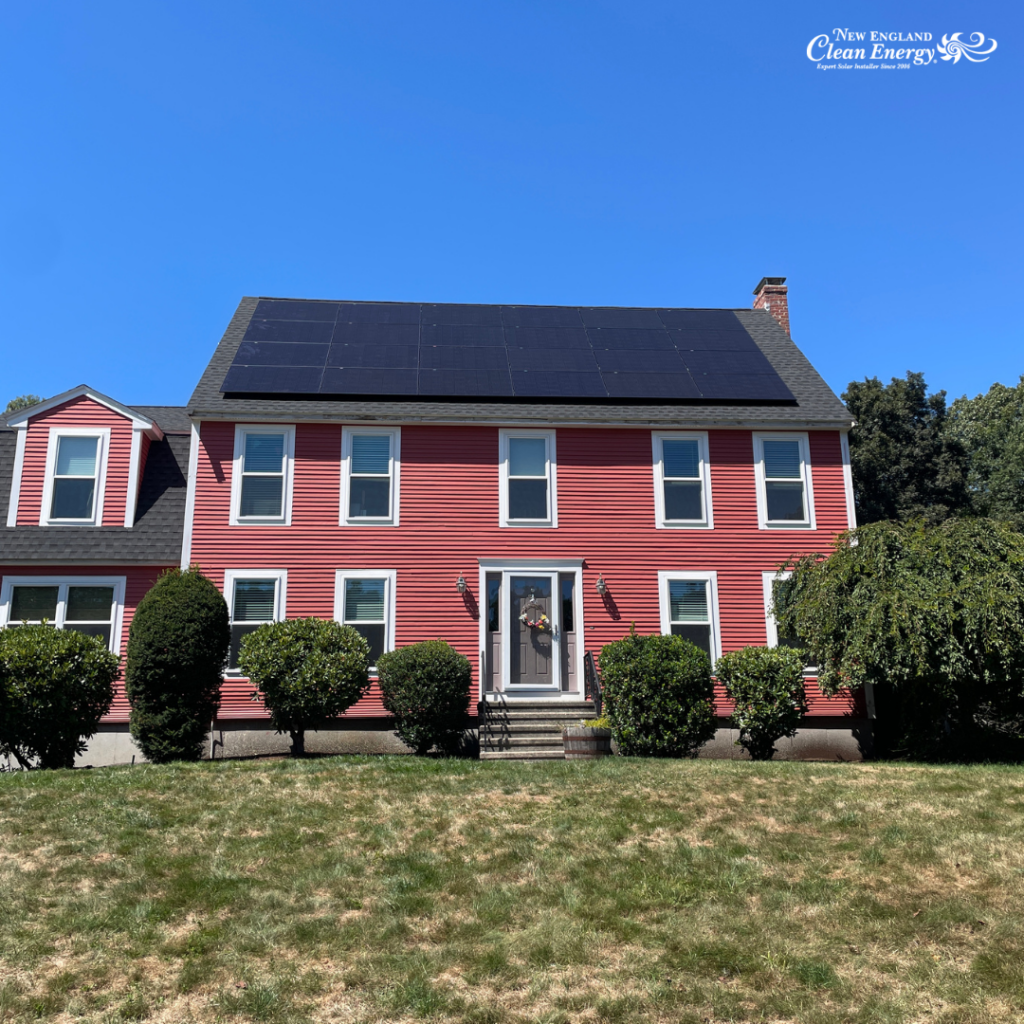
This is where many homeowners are surprised.
Solar systems must comply with:
- Utility interconnection limits
- Net metering or credit caps
- Town-specific electrical, zoning, and building rules
Each utility and municipality sets its own limits. Expanding beyond a certain size may trigger:
- A new interconnection application
- Different compensation rules
- Additional utility review
Because of this, adding more panels often means permitting a second system rather than expanding the original one.
When a Second Solar System Makes More Sense
If expanding the original system isn’t allowed—or isn’t the best option—alternatives may include:
- Installing a separate, second solar system designed to meet new loads
- Pairing your existing system with battery storage
- Upgrading or replacing older equipment as part of a larger plan
- Reducing usage through efficiency upgrades
The “best” solution depends on long-term value, not just what’s technically possible.
Is It Better to Plan Ahead?
Absolutely.
When we design systems today, we often:
- Leave room in electrical panels and equipment
- Plan roof layouts with future expansion in mind
- Account for upcoming electrification like EVs and heat pumps
Even if expansion never happens, planning ahead keeps options open—and avoids surprises later.
How to Know What’s Right for Your Home
The only way to know for sure is to evaluate:
- Your original system design
- Current and projected electricity use
- Roof and electrical capacity
- Local utility and town requirements
At New England Clean Energy, we regularly help homeowners determine whether expanding an existing system makes sense—or whether a second system or different approach will deliver better long-term results.
Thinking About Whether You Can Add More Solar Panels
If your energy needs have changed, your solar strategy may need to change too.
Schedule a free consultation to review your options, understand local limits, and build a plan that actually works for your home—now and in the future.
If you liked this article, you may also like:
Solar Lease vs PPA vs Subscription Solar: What’s the Real Difference?