
Making Solar Affordable
Making Solar Affordable.
Kathy Bellisle wanted to go solar for years. Her motivation was environmental, but the financial numbers needed to work for her family, too.
After years of researching options, her family finally made the investment in 2015—and discovered how renewable energy could support both their values and their household budget.
Read Kathy’s Story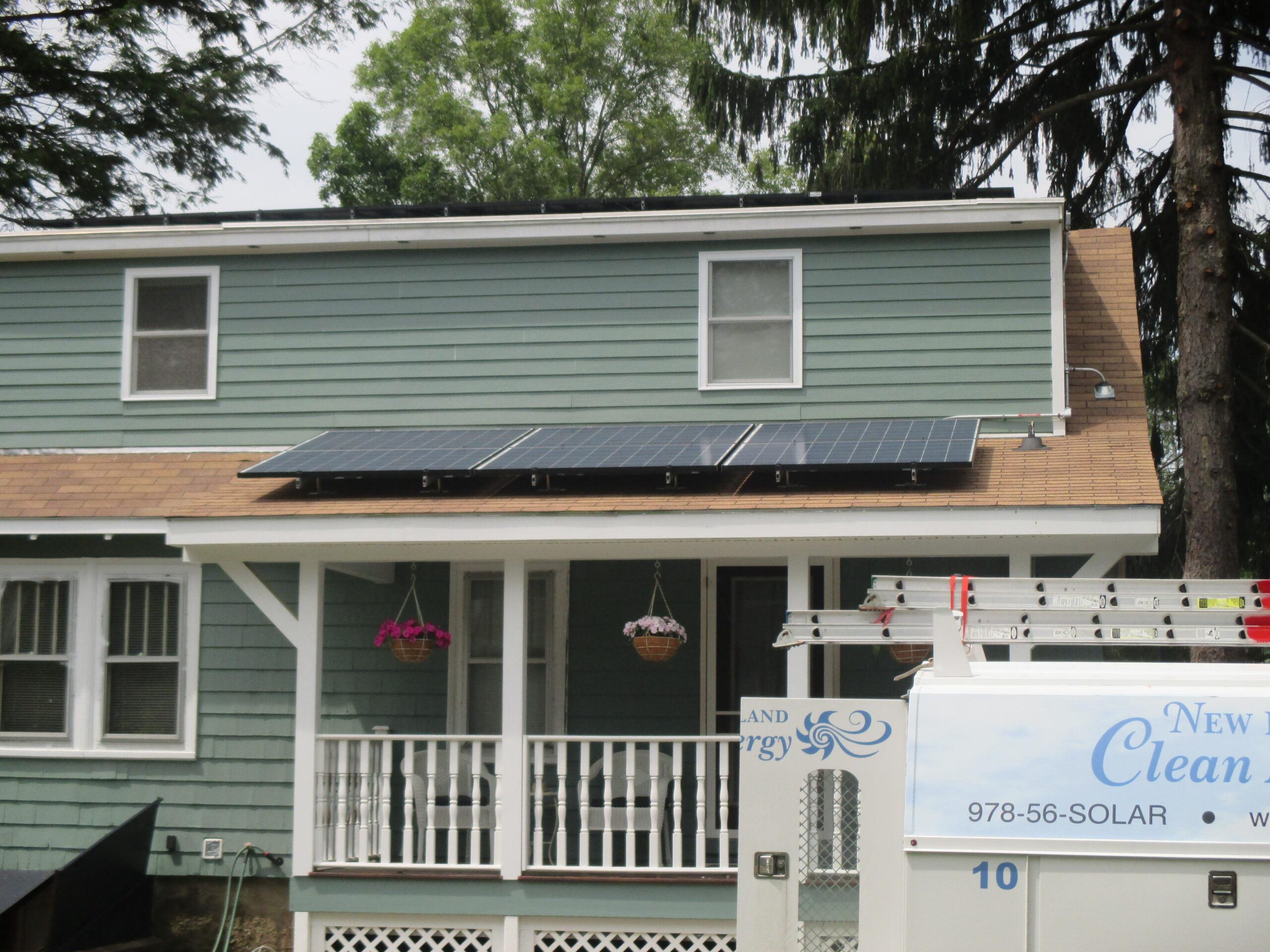
Seven Years of Interest. One Decision That Made Sense.
Kathy Bellisle and her family first started looking into solar energy in 2008.
The environmental benefits were immediately appealing. Kathy wanted to reduce her family’s contribution to fossil fuel consumption and climate change.
But the financial side was more challenging. At the time, the overall cost of installing solar made it difficult for the family to move forward.
Over the following years, Kathy continued researching solar options, available incentives, and the differences between purchasing and leasing.
By 2015, the numbers finally looked achievable. The family decided it was time to make the switch.
From Wanting Solar to Making It Happen.
Kathy’s experience shows how timing and careful research can influence a family’s decision to invest in solar.
The Interest Was There.
Kathy and her family were motivated by the environmental advantages of solar. But the upfront investment presented a financial obstacle.
The Numbers Finally Worked.
After researching ownership, financing, incentives, and installer options, the family decided to purchase a solar system for their home.
“We have an opportunity to help reduce the negative impacts of fossil fuels and climate change in a real, practical way.”Kathy Bellisle · Foxboro, Massachusetts
When Environmental Benefits and Financial Benefits Come Together.
Kathy’s original motivation remained environmental. But reducing electricity purchases and taking advantage of the financial programs available at the time helped make solar practical.
Lower Electricity Bills
Kathy reported that her electric bill dropped to zero within a few months of the installation, with net-metering credits helping offset later electricity usage.
Historical Solar Incentives
Federal and state tax benefits, rebates, and Massachusetts SREC payments contributed to the economics of her original solar investment.
Long-Term Ownership
After comparing leasing and purchasing, Kathy concluded that owning the solar system better suited her family’s financial goals.
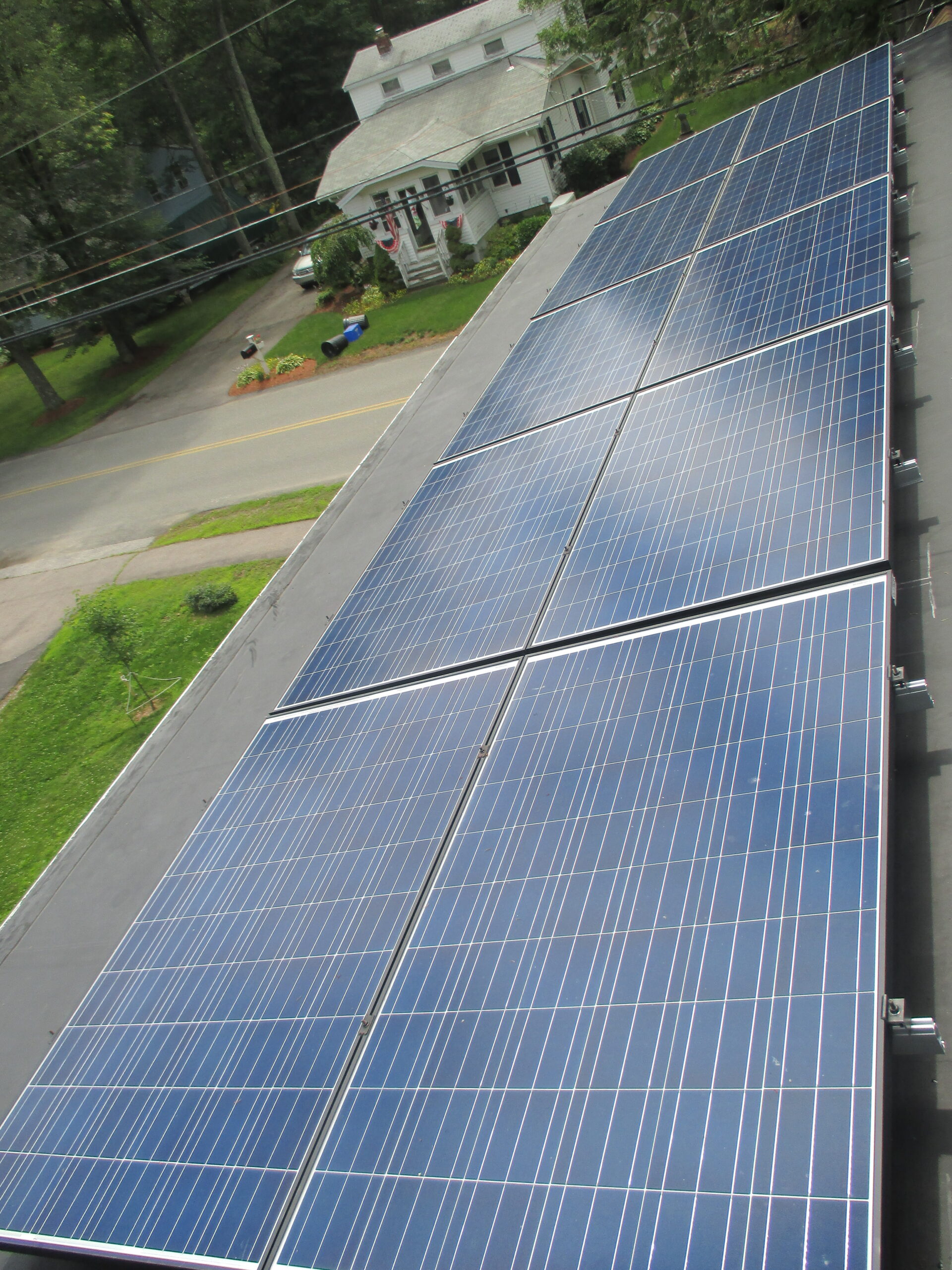
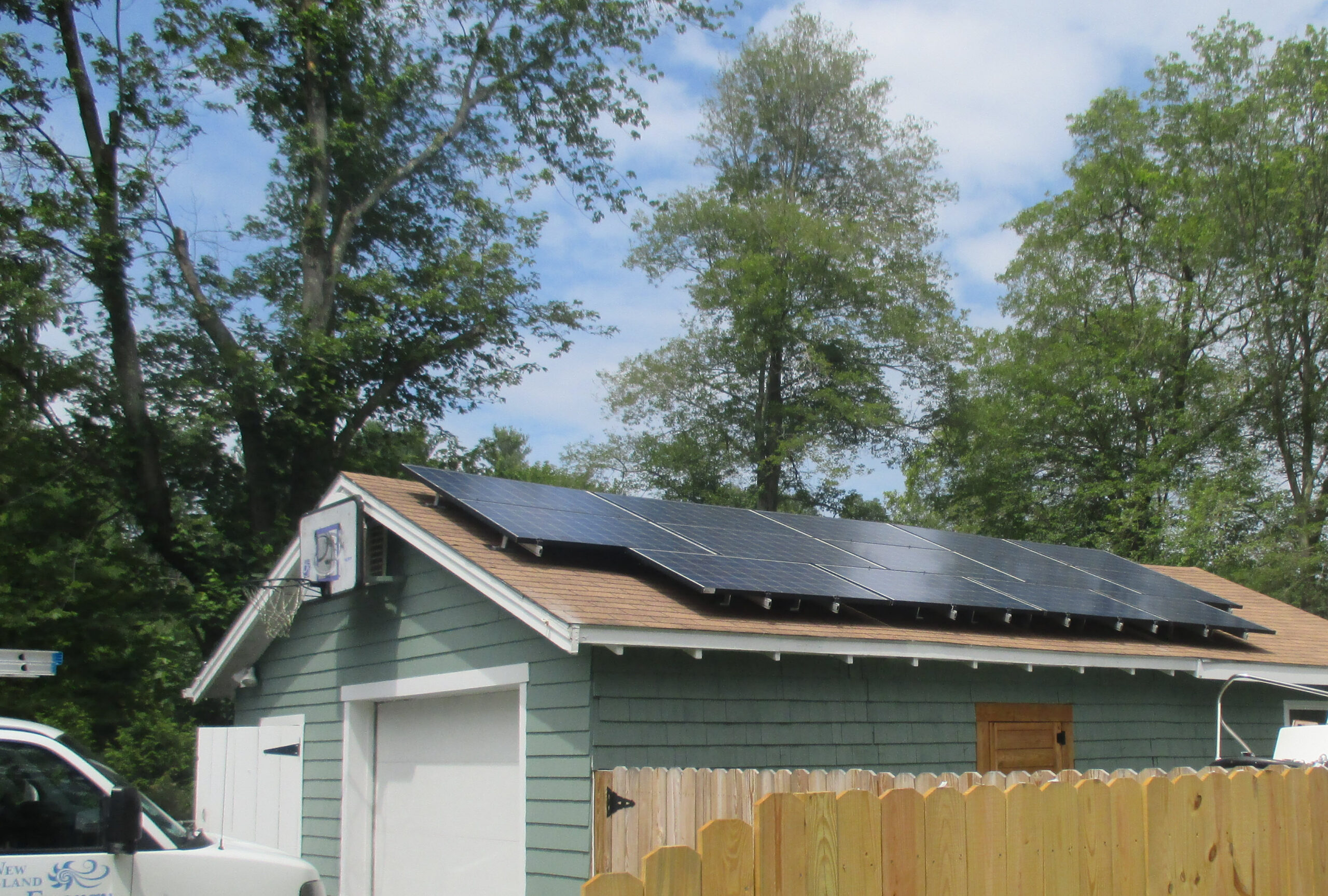
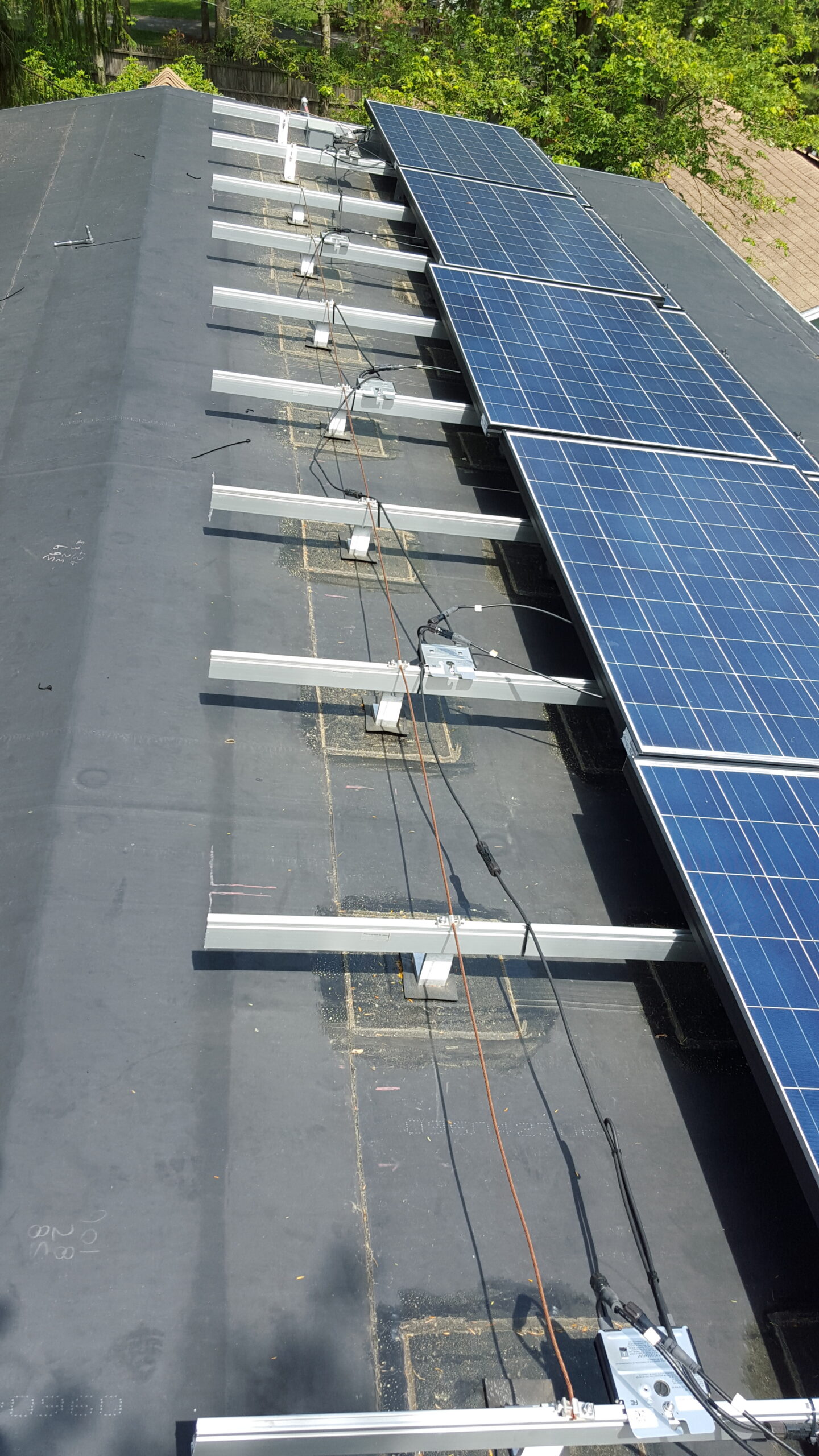
A Closer Look at Kathy’s Solar Project.
These four photographs offer different views of the family’s residential solar project in Foxboro, Massachusetts.
What Changed After the Panels Were Installed?
Net-Metering Credits Helped Through the Winter.
Kathy described how net metering allowed her household to accumulate electricity credits during periods of higher solar production.
Those credits could help offset electricity usage during winter, when shorter days and seasonal conditions reduce solar generation.
After a storm-damaged tree was removed, she also noticed higher production and a greater surplus of electricity credits.
Monitoring Helped Show the Environmental Impact.
Kathy enjoyed being able to track how much electricity her solar system had generated.
A little over five years after installation, she reported that the array had produced approximately 40.113 MWh, according to her monitoring software.
She also referenced an environmental equivalency estimate of 470 trees from that software. These were historical monitoring results, not projections for future systems.
Looking Beyond the Original Installation.
Once solar became part of everyday life, Kathy began exploring other ways to improve her home’s energy performance.
Researching More Than Just the Price.
Kathy approached choosing a solar installer with the same care she used when evaluating the financial investment.
She researched Massachusetts solar companies, reviewed their websites, compared customer feedback, and considered how long each business had been operating.
Because she planned to own the panels, she wanted a company with installation experience and a long-term presence. Equipment warranties and future service were important parts of her decision.
Kathy ultimately appreciated the responsiveness of New England Clean Energy. She reported that members of the original team remained available years later as she explored possible battery storage options.
“Do your research. Understand all the tax incentives, rebates, and warranties.”Kathy Bellisle · Foxboro, Massachusetts
Kathy also emphasized the importance of understanding the paperwork and taking an active role in the process. Although New England Clean Energy handled the paperwork she needed to submit, she made sure her family understood the programs available at the time.
Solar That Supported Their Values and Their Budget.
For Kathy Bellisle, going solar began with a desire to help address climate change. What made the decision possible was finding a financial approach that worked for her family.
Her experience highlights how environmental goals, system ownership, financial planning, and long-term customer support can come together in a residential solar project.
Years after the original installation, she continued exploring ways to improve her home’s energy efficiency and make better use of renewable electricity.
More Real Solar Customer Experiences.
Could Solar Make Financial Sense for Your Home?
Whether your priorities are electricity savings, environmental responsibility, or long-term energy planning, New England Clean Energy can help you evaluate your home’s solar potential and understand your options.
Schedule a Free ConsultationHave questions? 978-567-6527 | Email Our Team