
Powering Through Winter with Solar and Battery Backup in the Maine Foothills
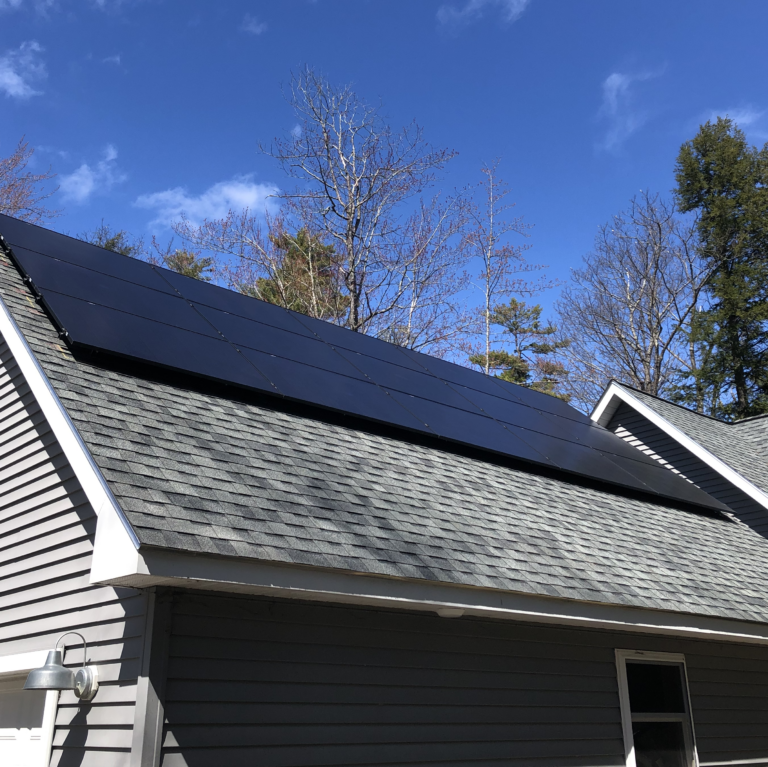
Powering Through a Maine Winter.
A remote home. A Thanksgiving storm. And a solar-plus-battery system that helped keep the essentials running when the grid went down.
Read the Customer StoryLiving at the End of a Two-Mile Dirt Road.
In the western foothills of Maine, winter can be beautiful—and unpredictable. For one household in Mercer, extended power outages were an ongoing concern.
Their home sits at the end of a roughly two-mile dirt road, about an hour from Augusta. Heavy winter storms and freezing temperatures can make losing power especially disruptive.
The family needed more than a way to generate electricity. They wanted a backup solution capable of supporting critical household needs, including water, refrigeration, internet, and the heating system’s circulator.
In April 2024, New England Clean Energy installed a rooftop solar array paired with Enphase battery storage. Later that year, a Thanksgiving storm gave the system a demanding real-world test.
Nearly Two Days of Living on Solar and Stored Energy.
During the Thanksgiving outage, the household relied on its solar and battery system until utility power returned approximately 43 hours later. The experience demonstrated the value of their backup investment during a prolonged winter storm.
What Happened When the Power Went Out?
The story unfolded over two nights, with changing weather, limited winter sunlight, and a household depending on its backup system.
The Grid Goes Down.
With severe weather expected, the family’s battery had been prepared for backup. At approximately 6:30 PM, utility power failed.
Instead of experiencing an obvious interruption, the family saw their lights and other household systems continue operating. An Enphase app notification indicated that the home had switched to backup.
They continued their evening, watching a movie and turning off unnecessary lights to conserve energy.
The Essentials Are Still Running.
By morning, the neighborhood remained without grid power. But the household’s important systems— including the well pump, refrigerator, internet connection, and heating circulator— were still operating.
Overnight snow had accumulated, but sunlight began clearing the rooftop panels. Once production increased, the array was able to meet the home’s load and add some charge back to the batteries.
A Different Experience From the Neighbors.
During a walk along the road, the family heard generators running at nearby homes. Some neighbors were concerned about running low on fuel.
Their own battery system, meanwhile, continued providing electricity without a fuel-powered generator. That contrast highlighted the quiet, low-maintenance experience they had hoped for.
A Brief Shutdown, Then a Restart.
After an extended period of discharge, the system automatically shut down when the battery reached approximately 10% remaining charge.
The family wondered whether the limited winter sunlight would be sufficient to restart it. As the sun rose and solar generation returned, the system successfully restarted and began supplying power again.
Utility Power Finally Returns.
When grid service returned at around 1:30 PM, the family had made it through approximately 43 hours without utility electricity.
Their experience wasn’t entirely interruption-free, but the system supported the household through a challenging outage and helped them avoid relying on a fuel-powered generator.
“The battery went on and stayed on!”Mercer, Maine Solar + Battery Customer
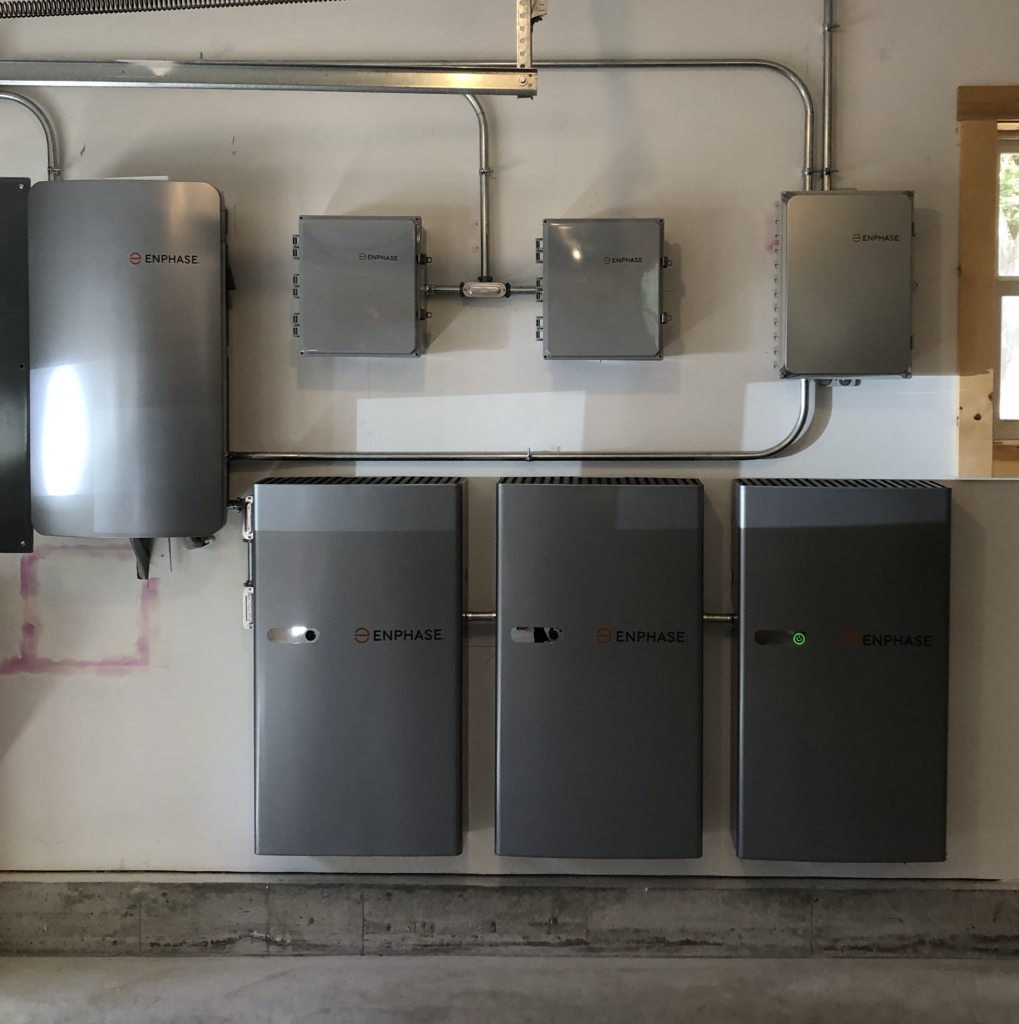
Solar Production Meets Stored Energy.
This home combines a 15-panel REC solar array with three Enphase IQ Battery 5P units. Together, the batteries provide 15 kWh of nominal storage capacity.
The rooftop panels generate electricity when sunlight is available. The battery system stores energy that can help supply the home during a grid outage.
- 15 REC 420W panels with a combined 6.3 kW DC rating.
- Three Enphase IQ Battery 5P units with 15 kWh of nominal storage.
- Backup capability designed to support the home’s selected electrical needs during outages.
- Solar recharging when adequate sunlight and system operating conditions allow.
What This Maine Homeowner’s Experience Shows.
For homes in areas where outages are frequent or prolonged, backup power can be an important part of energy planning. This installation illustrates three practical considerations.
Everyday Essentials Matter
Backup planning begins with the appliances and systems a household needs most, whether that’s refrigeration, water, heating equipment, or connectivity.
Winter Production Varies
Snow cover, shorter days, weather, and household demand all influence how much energy a solar system can generate and how long batteries can last.
Storage Adds Flexibility
Paired with the right controls and system design, battery storage can provide an alternative source of electricity when the utility grid is unavailable.
Peace of Mind When Winter Weather Hits.
The Maine household’s experience is a reminder that the value of solar and battery storage isn’t limited to electricity generated on a sunny day.
During an extended holiday power outage, their system helped maintain essential household functions while allowing solar production to supplement stored energy when conditions improved.
Although every system and outage is different, this project demonstrates how carefully planned solar and battery storage can support resilience in a challenging New England climate.
Learn More About Solar and Battery Backup.
Could Solar + Battery Backup Be Right for Your Home?
Whether you’re concerned about winter storms, recurring outages, or future energy needs, New England Clean Energy can help you evaluate solar and battery storage options for your property.
Schedule a Free ConsultationQuestions? 978-567-6527 | Email Our Team